Addressing the critical question asked across global enterprise AV procurement: "How can professional venues position studio-grade line arrays directly behind ultra-high-definition LED video walls without destroying acoustic phase linearity or compromising high-contrast visual performance?" Below is the comprehensive engineering architecture, selection roadmap, and lifecycle cost breakdown curated by digiLED’s display engineers.
Made in BritainAwarded for digiLED ZEUS® sustainable energy systems
Engineering Insights
Solving the Audio-Visual Conflict Behind Modern Screens
In traditional auditoriums, high-end commercial cinemas, virtual production stages, and luxury private screening spaces, projection screens were woven or micro-perforated to allow sound from Left-Center-Right (LCR) speakers to pass transparently to audience ears. However, projection lacks contrast, HDR luminance, and ambient light resistance. When commercial operators attempt to upgrade directly to standard solid-back LED video walls, they collide with a fundamental acoustic barrier: solid aluminum and dense PCB panels act as solid acoustic reflectors.
The Acoustic Complication
When high-SPL loudspeakers fire directly into solid LED panels, acoustic energy is reflected back into the rear chamber. This generates catastrophic comb filtering, boundary reflections, phase smearing, and severe high-frequency attenuation (>12dB above 4kHz). Attempting to mount speakers above, below, or to the sides fractures the psychoacoustic soundstage—dialogue no longer appears to emanate from an actor's lips or a presenter's face.
The digiLED soundTHRU Solution
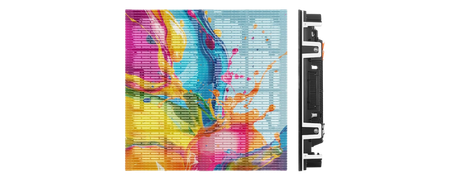
Acoustically transparent LED displays (such as digiLED soundTHRU) utilise precision-engineered micro-perforations through both the module substrate and the structural chassis. By striking an exact balance between physical aperture ratio (typically 8%–18%) and structural rigidity, air molecules carrying high-frequency sound pass through the screen unimpeded, preserving pinpoint vocal localization and spatial sound coherence.
No Compromise on Contrast
Traditional worries surrounding perforated screens centered on loss of visual black levels and visible moiré. digiLED eliminates this via deep black matte masking, anti-reflective micro-louvers, and custom LED packaging. The result is pure, cinema-grade DCI-P3 imaging paired with transparent, broadcast-quality audio delivery.
Discover our dedicated acoustically transparent display families alongside supporting technologies designed to meet strict commercial, enterprise, and cinema specifications.
digiLED soundTHRU
Acoustically Transparent · Flagship
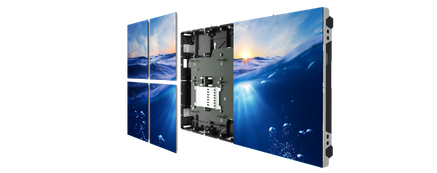
The industry benchmark for behind-screen acoustic alignment. Precision-engineered perforated chassis, ultra-low insertion loss (<2dB), 16-bit processing, and front/rear serviceable modules designed for luxury screening rooms, broadcast sets, and performance theatres.
Engineered for high-end control rooms and executive viewing suites requiring ultra-close viewing distances down to 1.0m. Can be custom-configured in hybrid architectural alcoves with acoustically porous peripheral border wings.
Essential for high-density acoustic chambers. ZEUS® safely powers down LED screens of any pitch to genuine zero standby power when idle, keeping enclosed speaker cavities cool and cutting ongoing operational expenditures dramatically.
Acoustically Transparent LED vs Solid LED vs Projection
A rigorous engineering benchmark to guide specification teams, AV consultants, and commercial procurement departments.
Evaluation Criterion
digiLED soundTHRU (Acoustically Transparent)
Standard Solid LED Video Wall
Micro-Perf Laser Projection Screen
Soundstage / Dialogue Localization
Exact (Speakers behind screen center)
Displaced (Above/below boundaries)
Exact (Speakers behind fabric)
Acoustic Insertion Loss (1-10 kHz)
Low (≤ 2.0 dB – 3.5 dB)
Severe (> 12.0 dB – 18.0 dB)
Minimal (≤ 1.5 dB – 3.0 dB)
Peak Luminance & Ambient Rejection
High (600 – 1,200 nits, high ALR)
High (600 – 1,500 nits, high ALR)
Poor (< 150 nits, washed out by room light)
Contrast Ratio (Static)
5,000:1 to 8,000:1 (True Black)
5,000:1 to 10,000:1
500:1 to 1,500:1 (Ambient dependent)
Passive Cavity Thermal Convection
High (Open matrix ventilates drivers)
Zero (Traps heat behind panels)
Moderate (Fabric allows slow transfer)
Operational Lifespan (MTBF)
100,000 Hours (Commercial Grade)
100,000 Hours
20,000 Hours (Laser phosphor degradation)
Industry Horizon
Future Procurement Trends & Technical Evolution
As global demand shifts from standard digital video displays toward unified sensory environments, several transformative trends are dictating how enterprise buyers procure acoustically transparent LED screens over the coming decade.
Acoustic Micro-LED
Advancements in micro-LED transfer technology allow pixel pitches below P0.9mm to be bonded onto acoustic lattice PCBs, maintaining open-area ratios while delivering stunning 8K resolution in intimate screening environments.
Algorithmic DSP Tuning
Modern LED display controllers now communicate directly with multi-channel audio DSPs (such as Q-SYS, BSS, and Dante), automatically applying dynamic equalization curves calibrated to the screen’s specific perforation profile.
Hybrid Thermal Chassis
Next-generation die-cast magnesium chasses integrate heat-pipe networks that use the acoustic airflow vents to cool both LED driver ICs and the loudspeaker compression drivers behind the display wall simultaneously.
DCI Certification
The cinema market is rapidly adopting direct-view acoustic LED. Expect widespread adoption of DCI-certified acoustically transparent LED walls replacing traditional cinema projectors in premium tier-1 auditoriums.
Decarbonized Systems
With stringent global ESG mandates, clients require intelligent power cutoffs. Technologies like digiLED ZEUS® eliminate standby power draw, lowering thermal stress on rear-wall speakers and slashing carbon emissions.
We do not lock clients into rigid factory catalog lines. We partner with vetted fabrication plants, engineering bespoke solutions to digiLED intellectual property and selecting specific binning for optimal audio and visual metrics.
Complex Acoustic Integration
From curved auditorium displays to complex multi-speaker immersive domes, our mechanical and structural teams engineer frames that accommodate exact speaker brackets, rigging clearances, and acoustic baffle alignments.
Factory Floor QC & FAT
digiLED engineers remain physically present on the production floor throughout every assembly run, conducting strict optical calibration, acoustic impedance checks, and thorough Factory Acceptance Testing (FAT) before freight dispatch.
Procurement FAQ
Frequently Asked Questions on Acoustically Transparent LED Screens
Essential technical and financial answers curated for audiovisual consultants, project architects, and procurement leads.
What is an acoustically transparent LED screen and how does it function?
An acoustically transparent LED screen is a specialized direct-view LED display designed with calibrated micro-perforations through the circuit boards and frame structure. These openings allow sound waves emitted by loudspeakers positioned behind the wall to pass through cleanly. By maintaining an engineered aperture ratio, the screen minimizes insertion loss and high-frequency comb filtering while presenting an uninterrupted visual canvas from the viewing area.
How much acoustic insertion loss and frequency variation should we plan for?
Low frequencies (<300Hz) pass through unobstructed with less than 0.5dB attenuation due to diffraction. In the sensitive vocal and treble bands (1kHz to 16kHz), premium systems like digiLED soundTHRU exhibit typical insertion loss of only 1.5dB to 3.5dB. This smooth, predictable roll-off curve is easily normalized using standard parametric EQ filters inside digital signal processors without taxing amplifier headroom.
Does the perforated lattice cause visual moiré or degrade black contrast?
No. The micro-perforations are positioned mathematically within the black matrix spaces between individual SMD LED diodes. When combined with black matte masking resin, deep-tint encapsulation, and high-frequency PWM driver ICs, the display preserves contrast ratios of up to 8,000:1 without creating discernible moiré patterns at recommended viewing distances.
What is the minimum recommended viewing distance for acoustically transparent LED walls?
Recommended viewing distance depends on pixel pitch. As an engineering benchmark, multiply the pixel pitch in millimeters by 1.0 to 1.5 meters. For example, a P1.5mm display is visually seamless at 1.5m to 2.2m, while a P2.6mm display is ideally viewed from 2.6m to 4m, making it ideal for screening auditoriums, boardroom presentation spaces, and broadcast stages.
How do acoustically transparent LED screens handle heat from rear speakers?
Standard solid LED screens create an enclosed thermal trap behind the display, forcing speaker magnets and amplifier electronics to operate at high temperatures. In contrast, acoustically transparent panels feature continuous open-air aperture ratios that stimulate natural chimney convection. Combined with digiLED ZEUS® power controllers, standby heat is completely eradicated when the screen is powered down.
What after-sales service and spare parts support does digiLED guarantee?
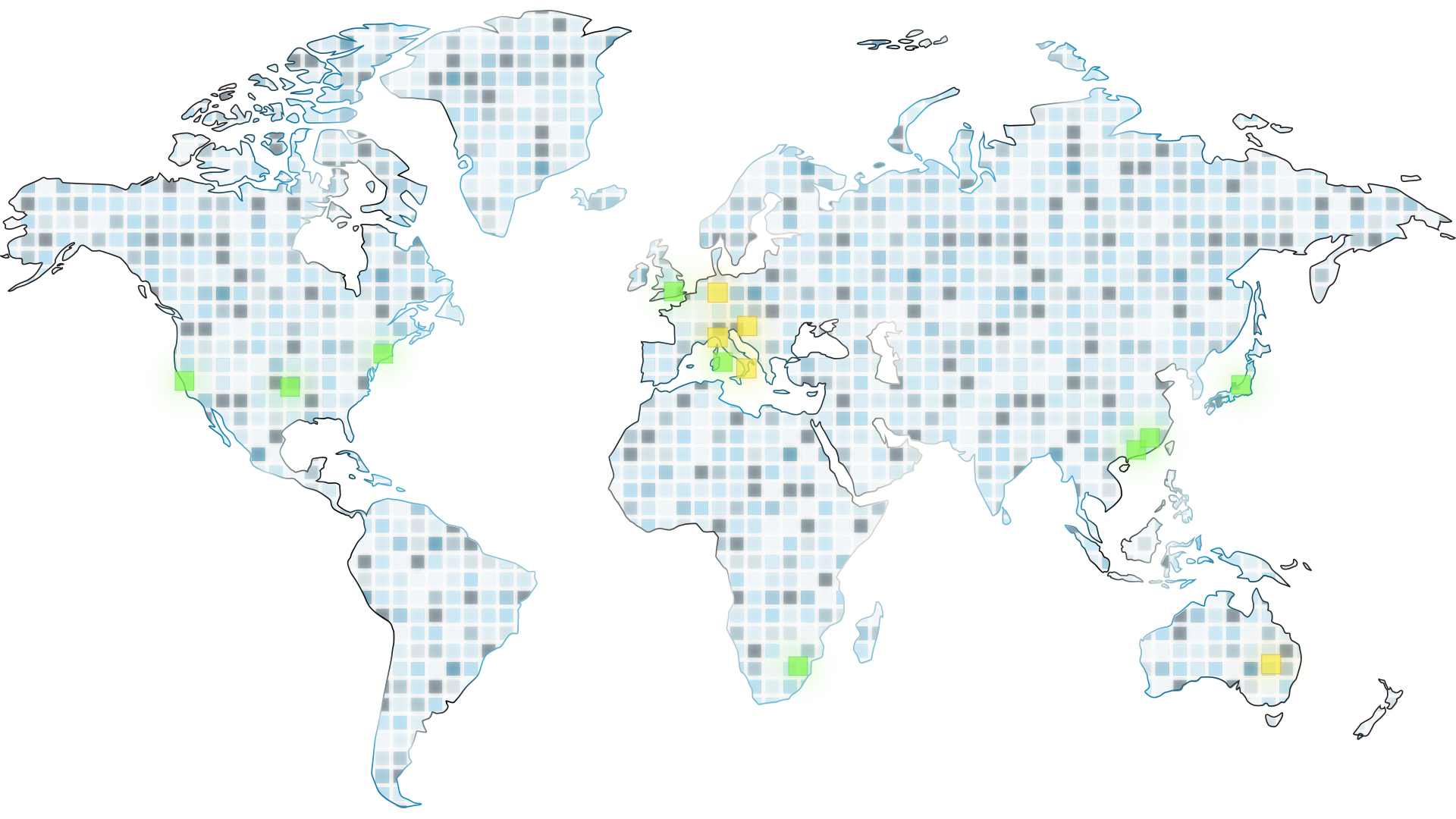
digiLED provides complete lifecycle reassurance through dedicated Pixel Depots located in the UK and Las Vegas, Nevada. Every project includes single-bin component batch reserves for lifetime color consistency, module-level component repair, fast-turnaround warranty service, and on-site engineering field support globally.
Proven Experience
Featured Global Installations
See how digiLED delivers precision engineering in the world’s most demanding venue environments.
Immersive · UK
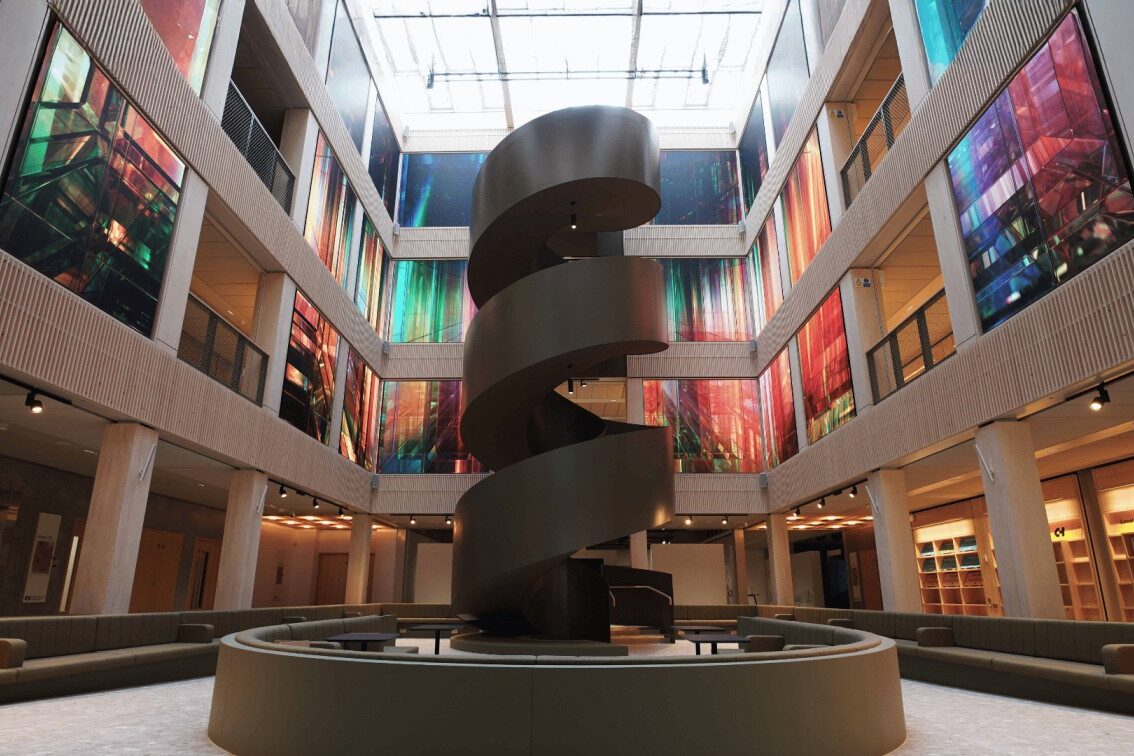
Culture House Sunderland
Live Events · UK
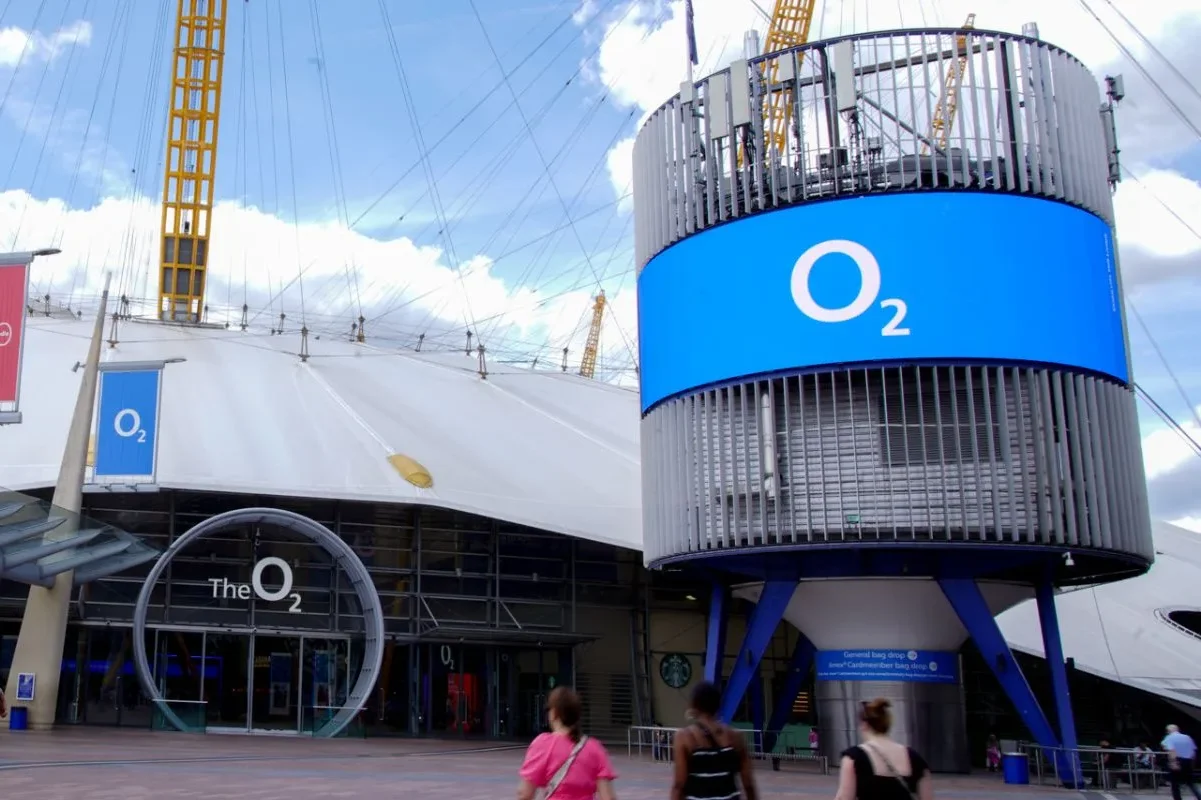
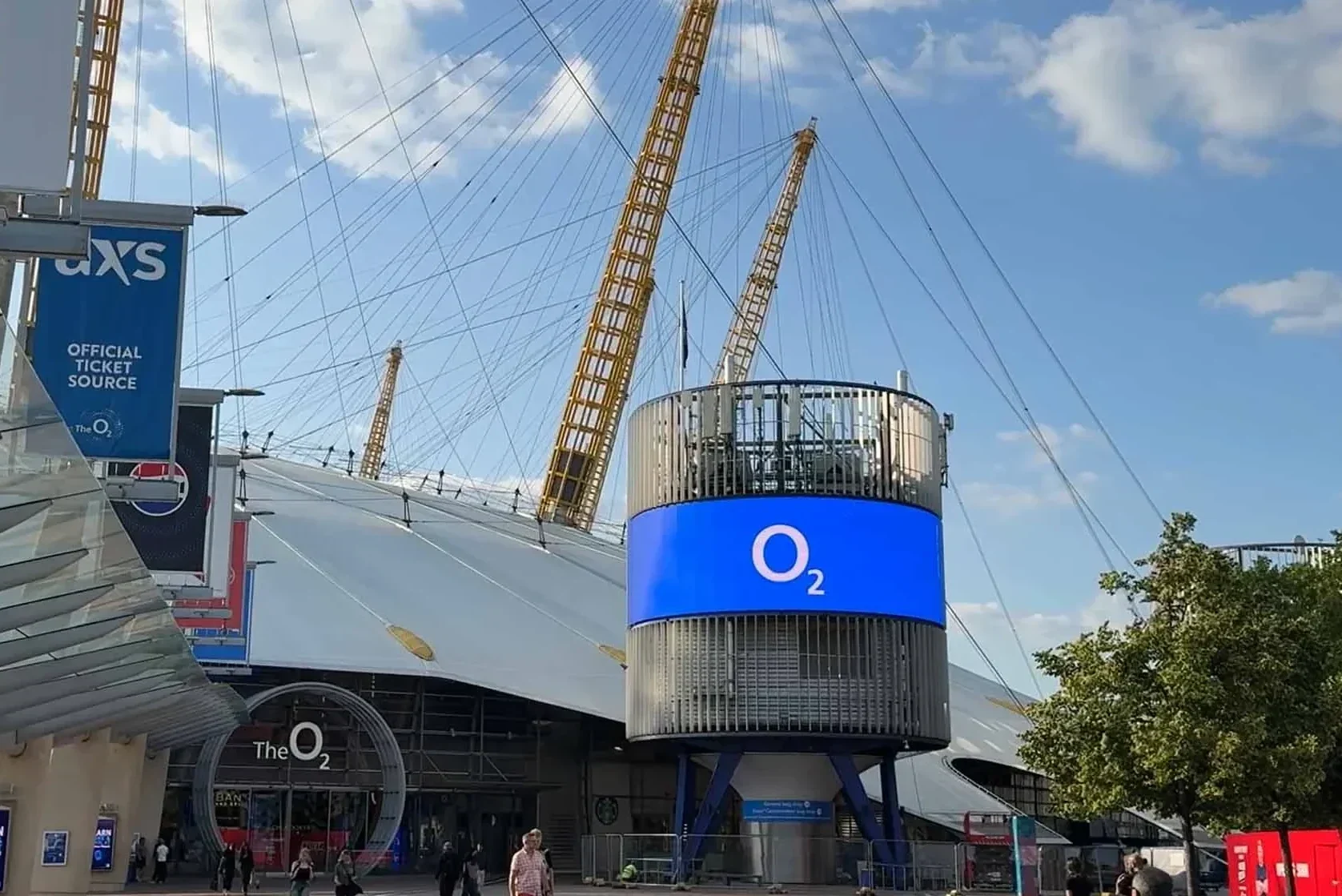
The O2 London
Arena · USA
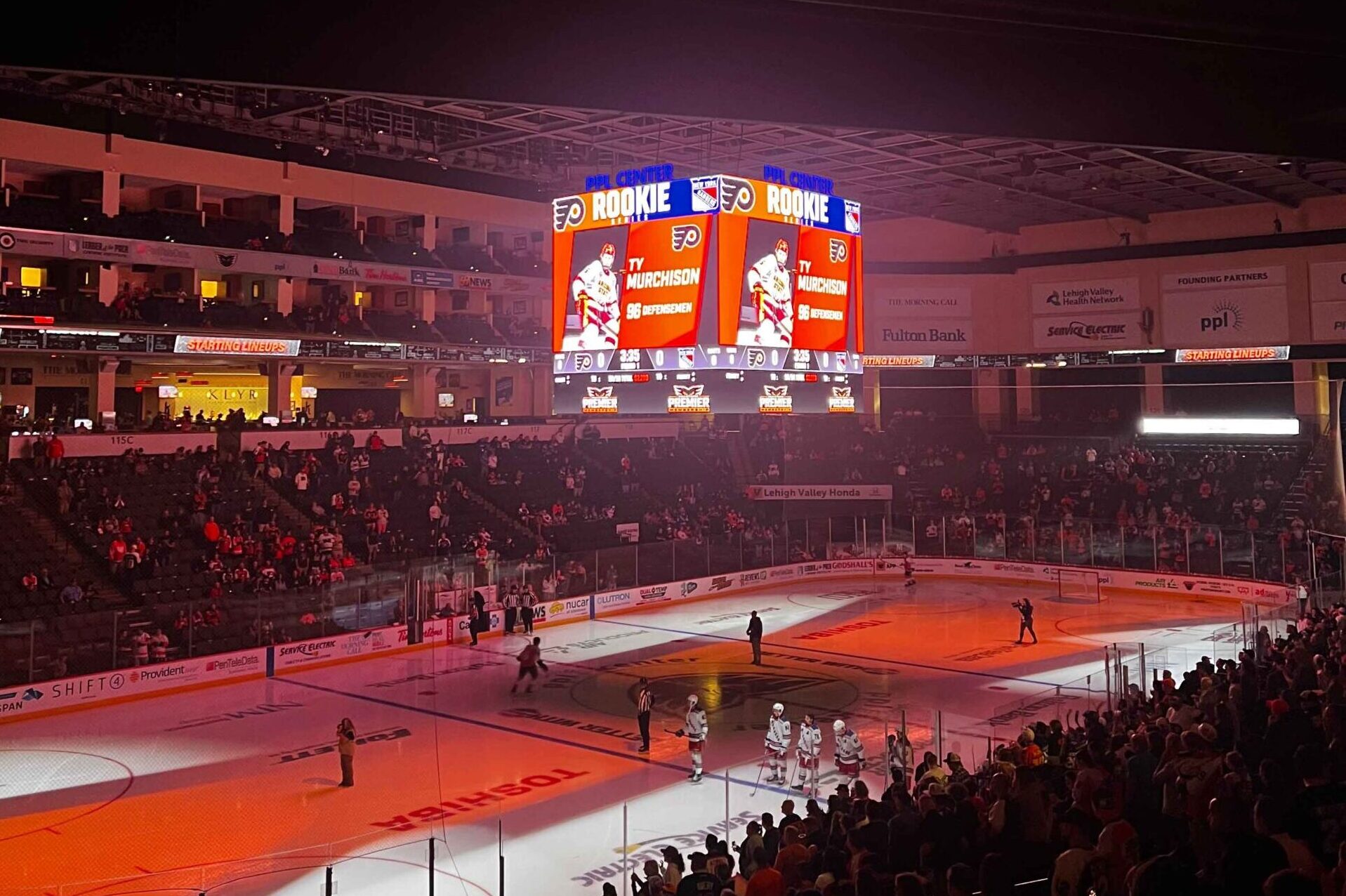
PPL Center
Arena · UK
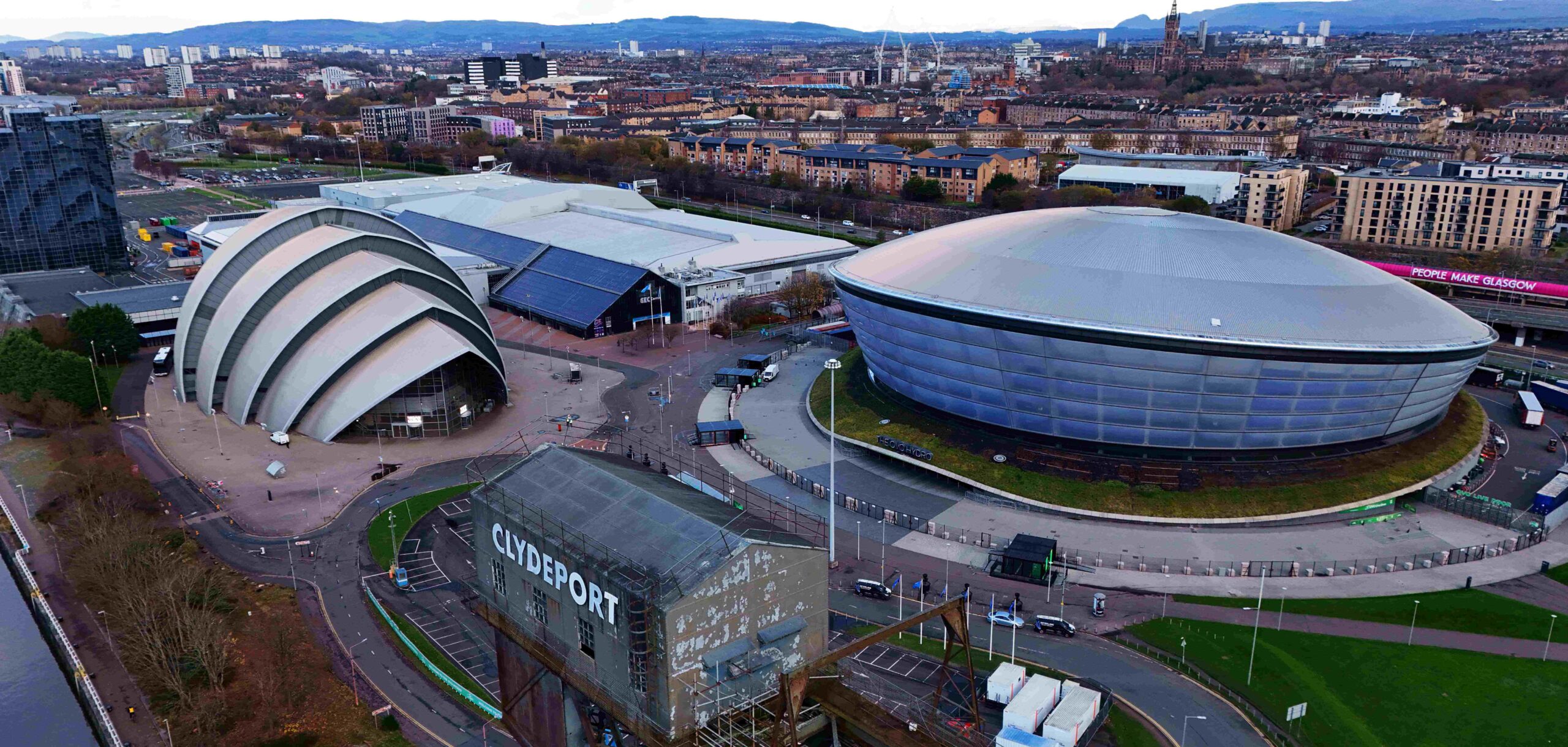
Scottish Event Campus
DOOH · UK
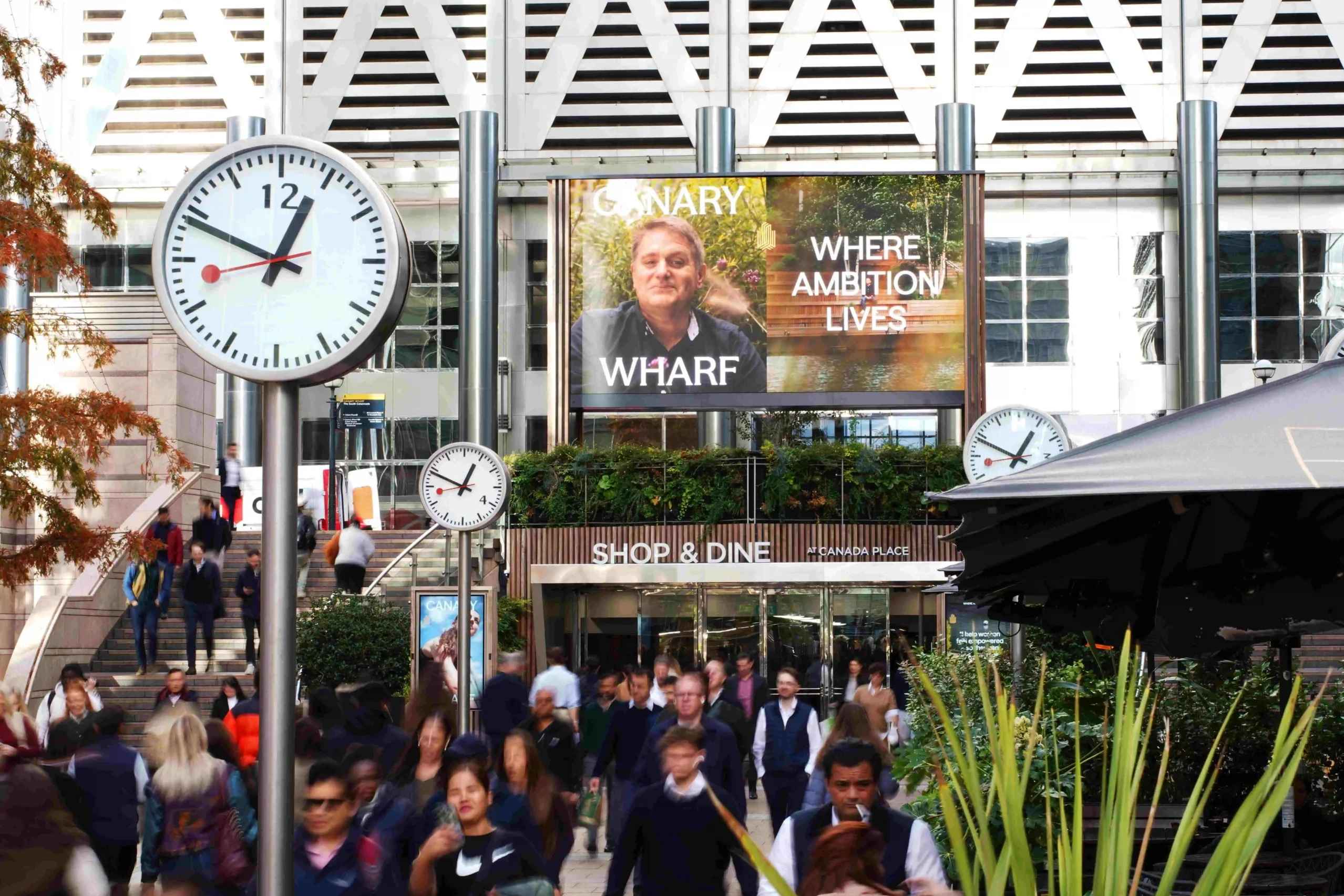
Canary Wharf London
Consult an Acoustic LED Specialist
Whether you are designing a high-end luxury cinema room, a broadcast studio with center dialog needs, or an immersive multi-channel live auditorium, our senior engineers are ready to review your acoustic plans, pitch requirements, and structural designs.