How to Specify, Engineer, and Procure Curved Outdoor LED Displays for Flawless 3D DOOH and Urban Architecture
RADIUS CALCULATION|WEATHERPROOFING|ANAMORPHIC PIXEL MAPPING|LIFECYCLE ENERGY CONTROL
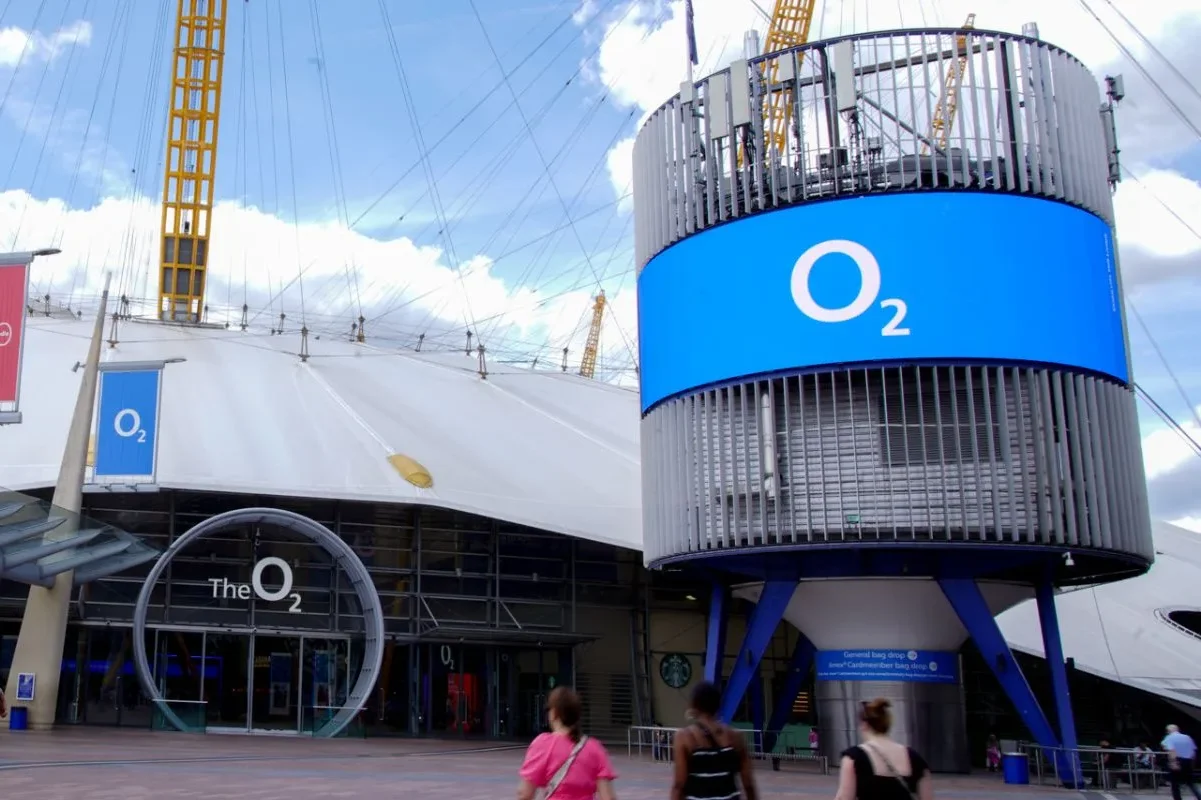
Procuring a curved outdoor LED display is an architectural undertaking where electrical tolerances, optical physics, mechanical deflection, and ambient lumens intersect. Based on over 375,000 square meters of global installations—including world-famous installations like the curved entrance screen at The O2 London and high-profile architectural facades across Europe, North America, and Asia—this guide delivers the technical depth and commercial clarity procurement officers, AV consultants, and structural engineers need to eliminate project risk.
digiLED ZEUS®UK-patented zero standby power control system
Technical Insight & Information Gain
The Mechanics of Curved Outdoor LED Architecture
Moving from flat video billboards to organic architectural curves introduces rigorous physical challenges. Global buyers must evaluate faceted modular engineering versus smooth flexible silicone encapsulation, ingress mitigation along concave focal axes, and viewing angle distortion.
1. Faceted vs. True-Curve Modules
Achieving a curve outdoors typically involves angled die-cast aluminum cabinets (faceted mechanically at 2.5° to 10° increments) or specialized bendable modules. Faceted setups allow robust structural ingress defense, while true-curve flexible designs eliminate micro-seams on tighter radii, ensuring seamless content mapping for naked-eye 3D visual campaigns.
2. Concave Thermal & Solar Trapping
Concave outdoor displays act as solar parabolic collectors, focusing ambient solar heat directly back toward the screen surface. Without forced convective aerodynamic venting and custom heatsink fins, internal thermal throttling can cause premature diode degradation and localized chrominance shift.
3. Structural Sub-Frame Tolerances
While flat facades tolerate minor millimeter variance in substructure steel, curved screens magnify mechanical misalignment. An error of 1.5mm at the chassis base expands exponentially along a sweeping curve, resulting in black seam lines or diode friction pinch points unless precision CNC sub-ribs are integrated.
Engineered to withstand direct ultraviolet solar radiation, extreme wind shear, and maritime precipitation, our custom display systems excel in complex architectural topologies.
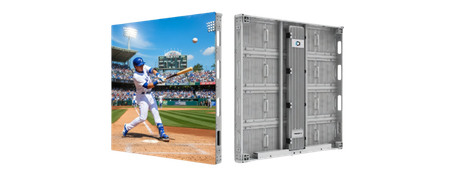
VISION Series Outdoor
Faceted Curve · DOOH · Stadium Enclosures
Our flagship high-brightness outdoor cabinet solution. Built with angled interlocking side-plates, high-efficiency Gold-wire LEDs delivering up to 10,000 nits, and an IP66 hermetic seal engineered to withstand coastal storms and desert heat.
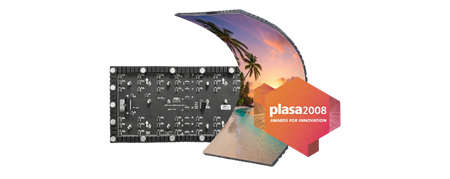
Engineered for tight circular columns, undulating ribbons, and fluid organic facades. With a bending radius down to 1.2m, digiFLEX eliminates mechanical facet steps, offering fluid surfaces for high-density anamorphic content.
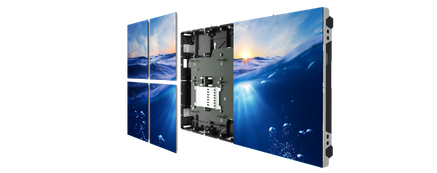
For street-level flagship retail canopies and high-density urban transit nodes where audience viewing distance is within 3 meters. Advanced optical surface shaders minimize solar glare without distorting viewing angles.
Future Sourcing & Technology Trends in Curved Outdoor LED
Global procurement teams are moving away from commodity catalog sourcing. Today’s tenders demand strict ESG compliance, custom optical physics, and high refresh processing to satisfy modern commercial objectives.
1. Naked-Eye 3D DOOH Dominance
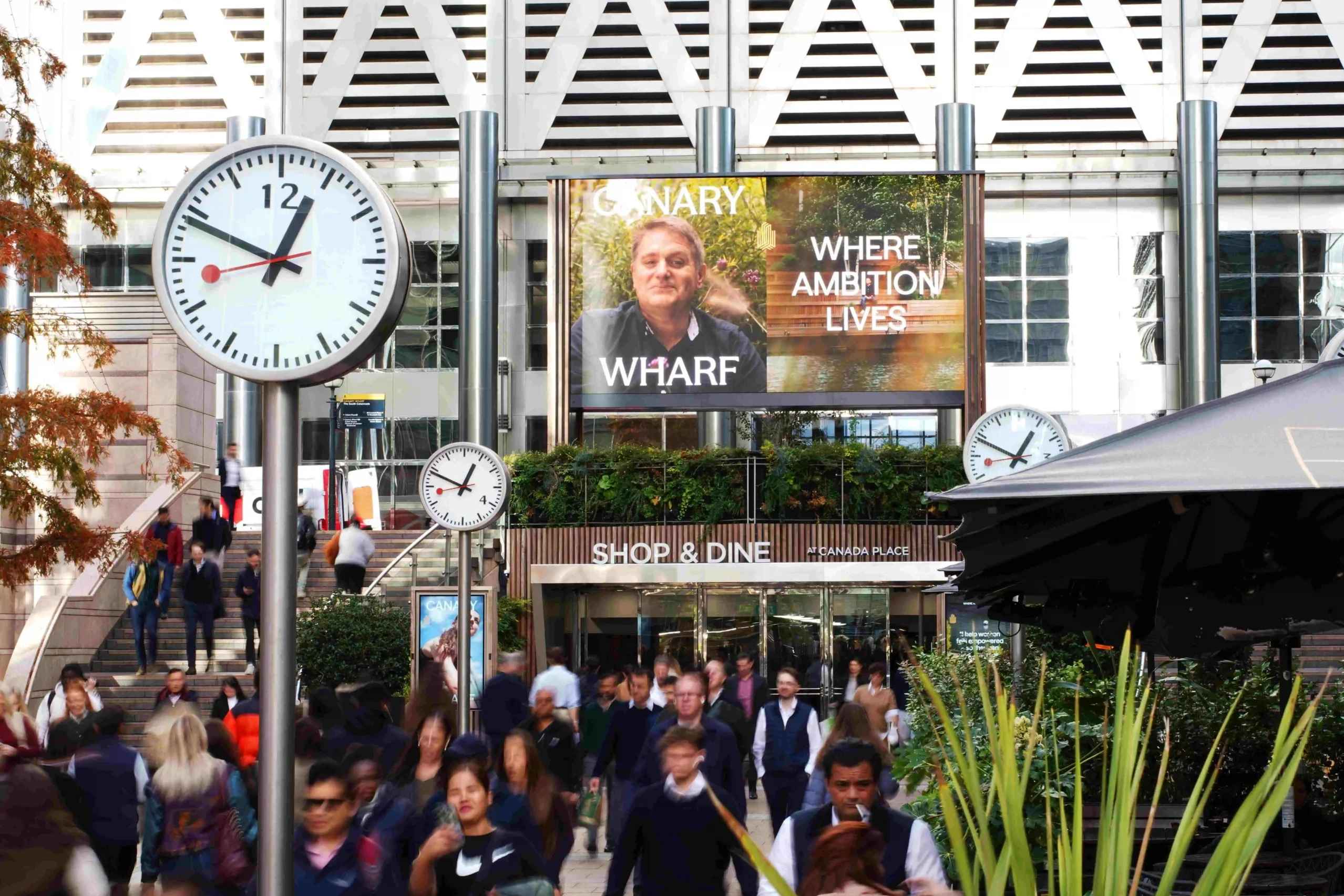
Urban real estate assets increasingly demand curved 90-degree corner facades and smooth panoramic arcs. Anamorphic creative content leverages continuous curves to create ultra-realistic depth cues, generating 3.5x higher brand recall and premium advertising rates across global cities.
2. Common Cathode & ESG Directives
Municipal energy caps across the UK, EU, and North America require strict power budget controls. Common Cathode driver IC architectures cut thermal waste by directing precise, lower voltages to Red diodes versus Green and Blue, reducing cooling requirements by up to 30%.
3. Virtual Production Integration
Curved outdoor displays are adopting 7,680Hz+ refresh rates, 16-bit greyscale depth at ultra-low brightness, and genlock synchronization. This ensures broadcast sports coverage and outdoor cinema broadcasts avoid rolling shutter lines and camera moiré interference.
4. Lifecycle-First Supply Chains
Procurement teams prioritize 10-year component batch tracking. Ensuring diode batch binning consistency and regional spare module support prevents visible color patches during routine maintenance over the system's operational lifetime.
We don't tie projects to a single factory line. We select the ideal manufacturing partner based on custom specifications, driving core production using digiLED IP, custom PCB routing, and premium components.
Experts in the Complex
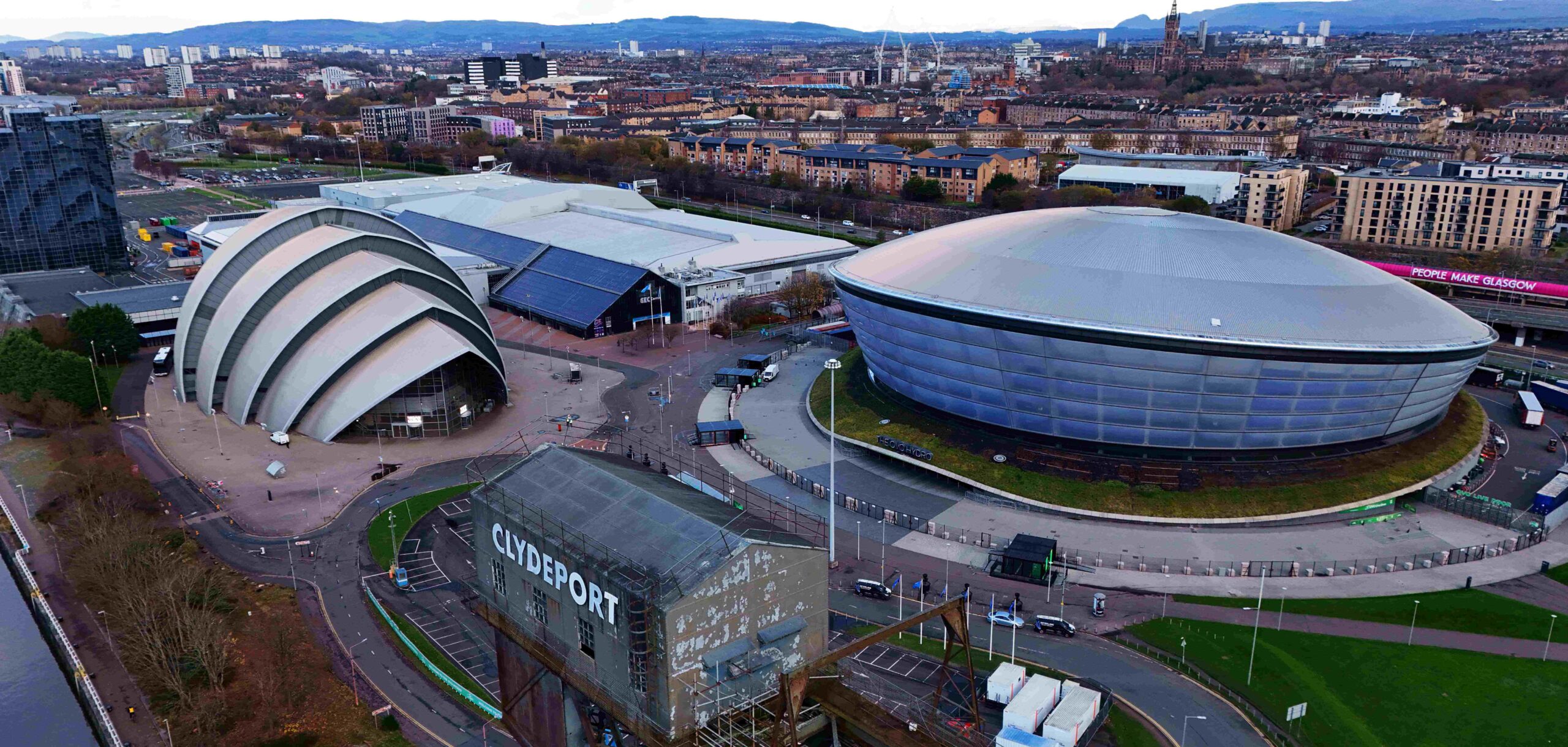
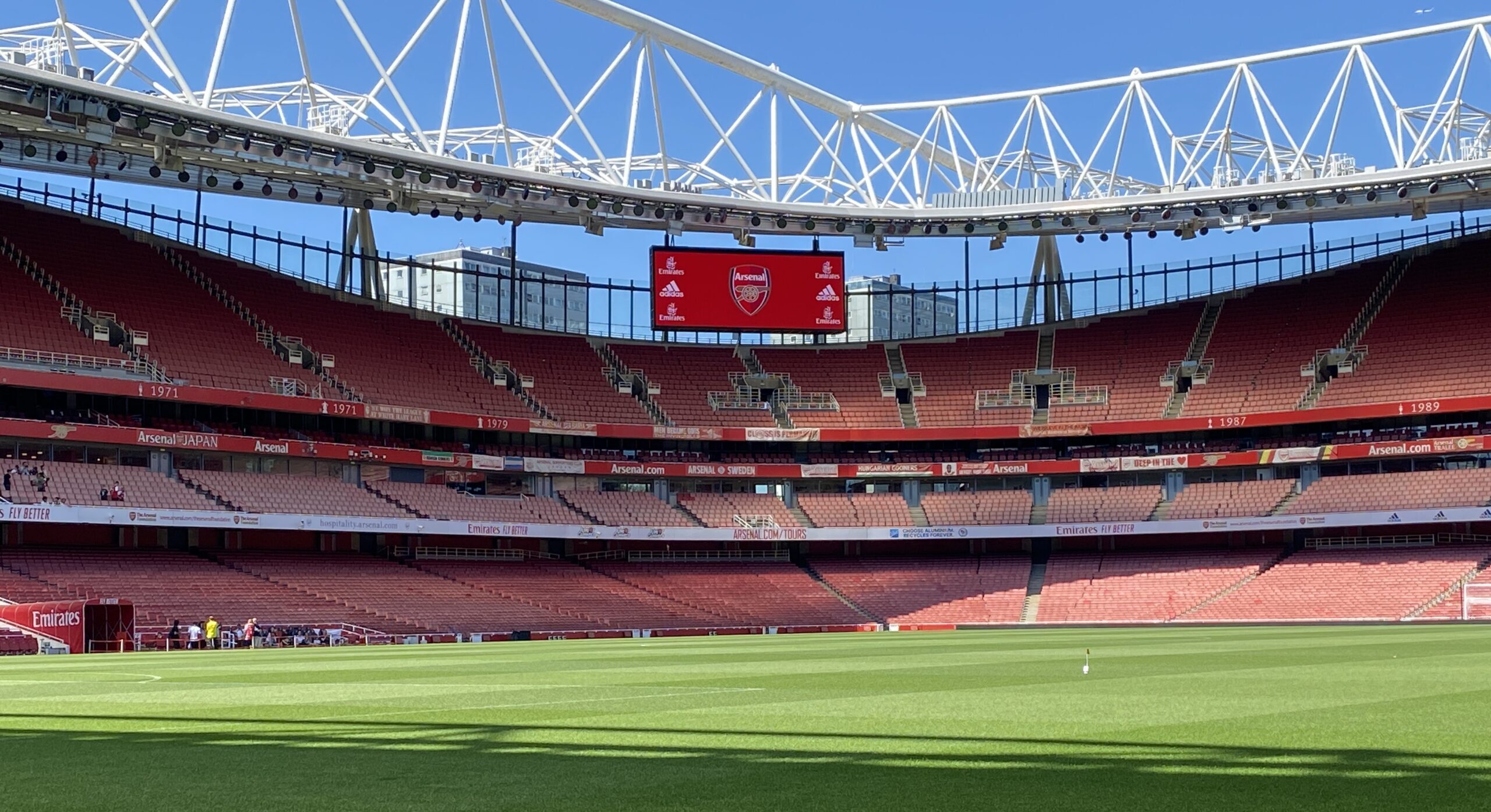
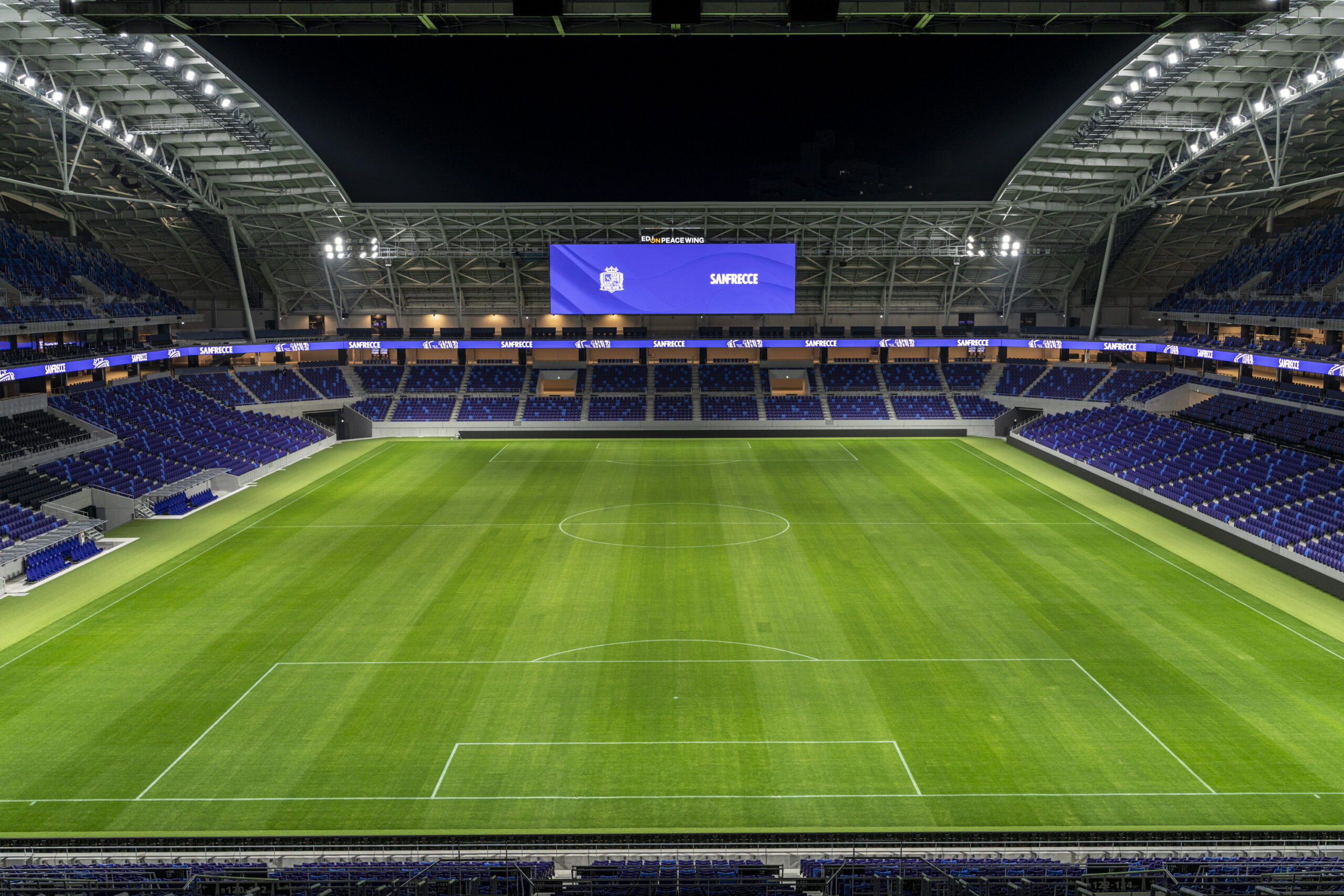
From sweeping radii outside The O2 London to massive stadium installations, our engineers solve complex geometry, structural wind load, and optical alignment challenges where commodity vendors fail.
In-Person Factory QC & FAT
Our engineers are stationed on the factory floor throughout build phases, enforcing rigorous calibration, waterproof thermal cycling, and Factory Acceptance Testing before any crate departs.
Proven Engineering Pedigree
World-Class Curved & Architectural Installations
Review real-world engineering delivered across demanding architectural, sports, and outdoor entertainment environments.
Industry FirstMulti-Award WinningGlobally PatentedMade in Britain Certified
Curved outdoor LED displays utilize hundreds of thousands of high-brightness diodes. When not displaying content, traditional systems draw significant standby power, degrading power supplies and generating unnecessary utility costs.
Invented in the UK by LED veteran Tom Mudd, digiLED ZEUS® safely and systematically powers down LED displays of any radius or configuration to draw zero watts when dormant, extending hardware lifespan and delivering verifiable carbon reductions.
Eliminates phantom vampire power during curfew and night-time shutoff
Removes power surge inrush current when powering large curved arrays
Integrates with cloud DOOH CMS schedulers and smart building systems
Made in Britain AccreditedPatented power management for curved outdoor screens
Procurement & Technical FAQ
Frequently Asked Questions
Critical engineering considerations, optical criteria, and project planning answers for procurement teams and system integrators.
What is the minimum curve radius achievable with curved outdoor LED displays?
Achievable curve radius depends on mechanical architecture. For faceted outdoor cabinets (such as our VISION Series), chassis width and angle blocks determine the radius—typically down to 5–8 meters for a standard 500mm wide panel without visible facet banding. For true smooth curvature without faceting, our digiFLEX outdoor range uses flexible PCB and silicone encapsulation to achieve concave or convex radii down to 1.2–1.5 meters.
How do curved outdoor displays maintain optical seamlessness for 3D DOOH content?
Seamless naked-eye 3D requires continuous pixel pitch across corners and transitions. A common issue with low-cost screens is pitch variance at cabinet joints, which causes distracting vertical distortion bands. digiLED solves this using sub-millimeter CNC chassis brackets, specialized corner transit modules, and precise sub-pixel calibration mapping, delivering an optically uniform canvas across wide viewing angles.
How do concave curved displays handle thermal heat dissipation and weather exposure?
Concave curves naturally collect solar heat and concentrate rainfall toward center lines. Standard screens often suffer premature diode failure in these focal zones. digiLED engineers custom thermal back-venting channels, cast aluminum heatsinks with conformal coating, and multi-tier silicone gaskets (IP66 front and rear), ensuring zero water retention and uniform thermal dissipation.
What brightness level is necessary for outdoor direct-sunlight readability?
For displays exposed to direct sunlight, a calibrated brightness of 6,500 to 8,000 nits is the baseline standard. In locations subject to intense ambient glare, high-output configurations up to 10,000 nits maintain sharp contrast. digiLED systems include automated ambient lux sensors and gamma compensation curves to dynamically adjust output, preventing washed-out imagery during midday while reducing power draw at night.
How does digiLED support curved screens post-commissioning across global regions?
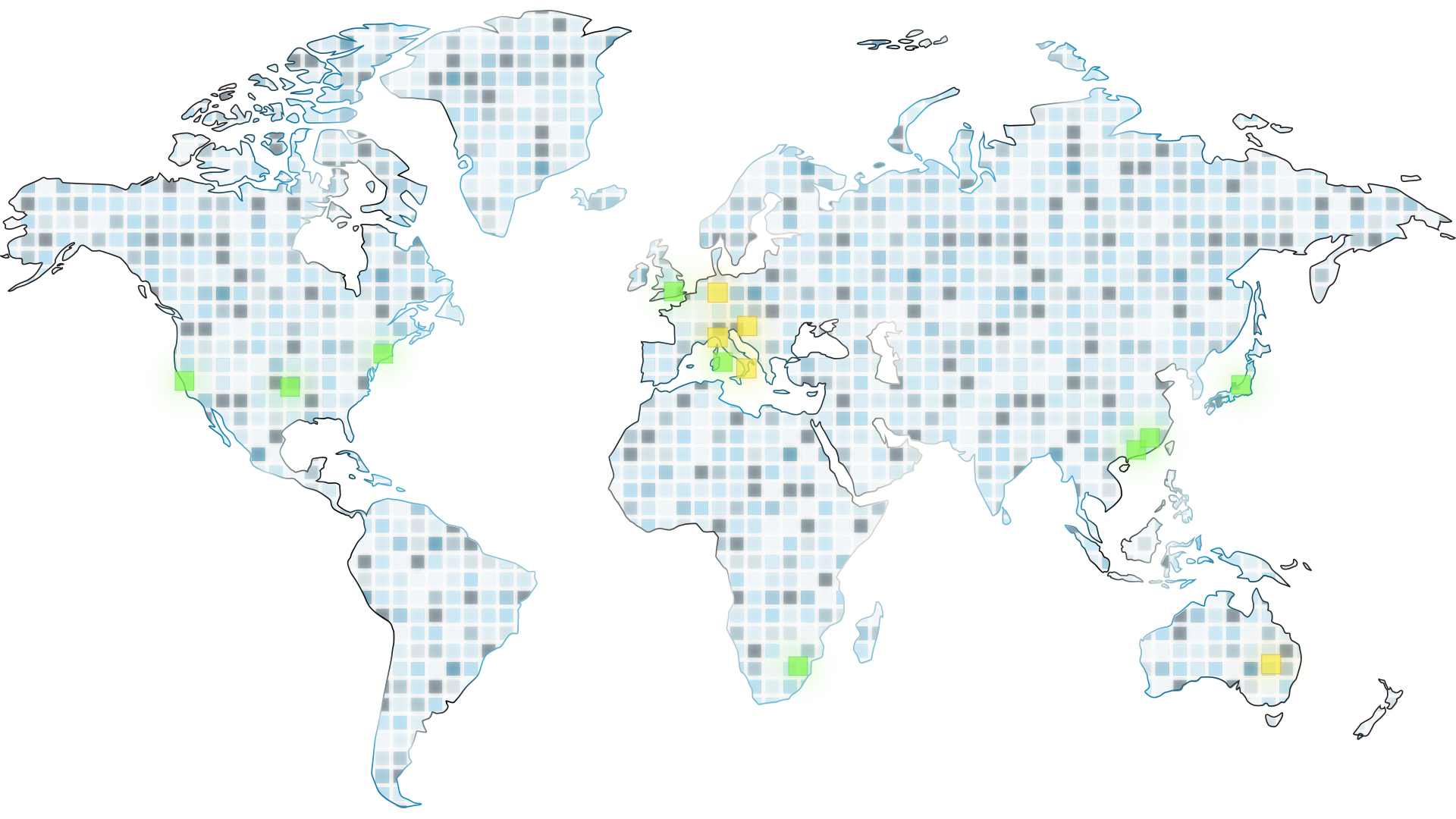
We support enterprise clients through dedicated regional service hubs and our Pixel Depots in Las Vegas and the UK. We maintain reserved batch diode inventory from initial factory production runs, enabling pixel-perfect module repairs, optical calibration, and rapid on-site technician response across EMEA, the Americas, and Asia throughout the display's 10-year lifecycle.
Send us your architectural elevations, radius constraints, and display parameters. Our engineering team provides detailed pixel calculations, structural loading guidance, and budgetary estimations.