Large-format DOOH (Digital Out-of-Home) LED displays serve as the most lucrative architectural advertising assets in modern cities. However, global media owners, outdoor advertisers, and urban masterplanners face critical procurement hurdles: mitigating solar degradation, navigating tightening municipal light-pollution bylaws, engineering wind-load-compliant substructures, and eliminating spiralling electrical standby costs. Drawing on over 500 years of combined engineering heritage and 375,000+ sqm of installations, digiLED reveals the technical criteria required to deliver uncompromised high-brightness outdoor performance, 10-year asset durability, and patented zero-standby energy savings.
Selecting an outdoor billboard demands precision component alignment rather than generic catalogue products. Below are our proven modular architectures, engineered specifically to handle solar thermal load, maritime saline exposure, and continuous 24/7 commercial operation.
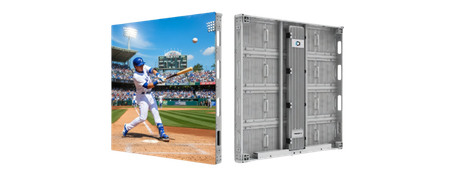
VISION Series Flagship DOOH
P3.9mm to P16mm · 10,000 Nits · IP67
Engineered for high-footfall metropolitan squares and highway gantries. Equipped with gold-wire bonded SMD diodes, anti-glare louvres, and dual-redundant data routes. Calibrated to deliver flawless readability in blistering sunlight while cutting operational thermal rise by 22% compared to standard outdoor screens.
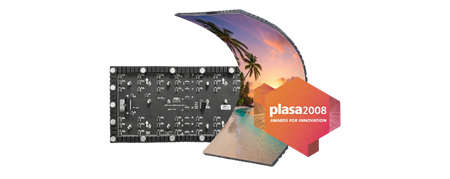
For corner-wrapped naked-eye 3D anamorphic billboards and cylindrical architectural hubs. Flexible silicone sub-frames and precision mechanical interlocks eliminate faceted polygon seams, ensuring smooth viewing angles and distortion-free video sync from any pavement vantage point.
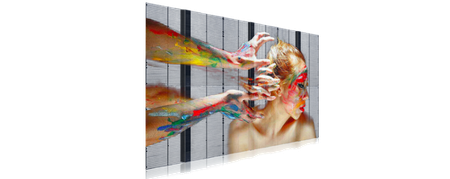
Converts commercial skyscraper glass atriums into high-yielding digital media space without extinguishing indoor daylight or blocking architectural views. Aerodynamic louver bars minimize structural building wind-loading requirements by up to 40% against hurricane gusts.
Future Procurement & Technology Trends in DOOH Screens
Procuring large-format DOOH assets today requires factoring in programmatic demand shifts, stricter carbon disclosure legislation, and emerging semiconductor architectures. Here is how leading AV consultants navigate the upcoming market landscape.
1. Common Cathode & Energy Governance
Legacy DOOH displays relied on common anode power distribution, driving all sub-pixels at a uniform voltage and dumping surplus electrical energy as wasted thermal heat across red dies. Procurement tenders worldwide now mandate common cathode architecture, splitting power rails into separate voltages (2.8V for Red, 3.8V for Green/Blue). This architectural refinement cuts panel heat by 15°C and slashes direct operating utility bills by 30% to 35%, helping operators navigate municipal ESG scrutiny.
2. Programmatic DOOH (pDOOH) & Nanosecond Latency
Automated real-time programmatic ad buying now accounts for over 40% of prime digital media revenue. Outdoor screens must no longer just loop static video files; they require high-bandwidth controller integration capable of dynamic content triggers based on weather sensors, traffic speed, and camera audience analytics. Refresh rates must exceed 3,840Hz (ideally 7,680Hz) to prevent camera roll lines when mobile users film anamorphic activations.
3. Fine Pitch Outdoors (P2.5 - P4.0mm)
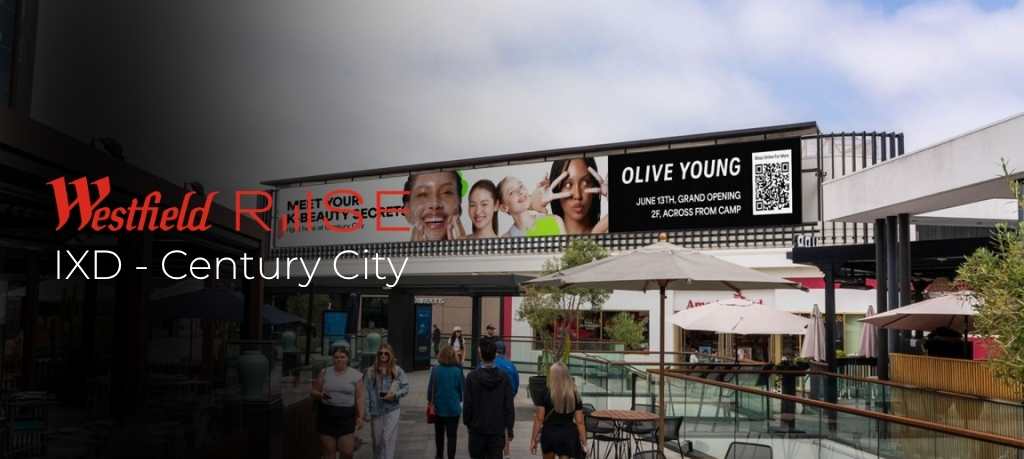
Where high-altitude highway displays historically operated comfortably on P10 to P16mm configurations, urban pedestrianization has forced screens closer to consumers. Municipal street furniture and facade billboards increasingly mandate pixel pitches between P2.9mm and P4.0mm. To safeguard these microscopic diodes against road pollution, pressure washing, and UV degradation, advanced hydrophobic surface coatings and glue-on-board (GOB) protections are becoming standard procurement requirements.
4. Stringent EMC Class B & Grid Noise Compliance
City councils and national telecommunications authorities have intensified enforcement against electromagnetic interference (EMI) generated by massive outdoor video walls. Poorly isolated switch-mode power supplies can disrupt local 5G telecom towers, emergency radio networks, and aviation navigation corridors. Tier-1 media owners now require certified full-system CE-EMC Class B compliance tested under full white load conditions.
5. Zero-Standby Green Audits & Off-Peak Power Control
Regulatory authorities in European and North American metropolitan centres are placing hard restrictions on overnight light emission and idle display draw. Standard screens leave driver ICs and power converters idling overnight, drawing megawatts of phantom electrical power annually. Deploying smart power isolation hardware ensures compliance with zero-light mandates while cutting utility overhead to zero during scheduled blackouts.
Truck rolls for DOOH field repair can rapidly eliminate campaign profitability. Modern procurement specifications demand smart receiving cards integrated with environmental sensors on each cabinet—monitoring humidity ingress, voltage anomalies, internal cabinet thermals, and individual module fan states in real-time, allowing proactive predictive maintenance before black pixels manifest.
The digiLED DOOH Advantage
Why media owners, architects, and AV contractors worldwide trust us with the world's most demanding digital billboard projects.
We are not tethered to a single assembly line. We maintain our own intellectual property, custom PCB designs, and mechanical tooling while selecting the world's finest specialized production plants for each specific DOOH project scope.
Bespoke Structural Engineering
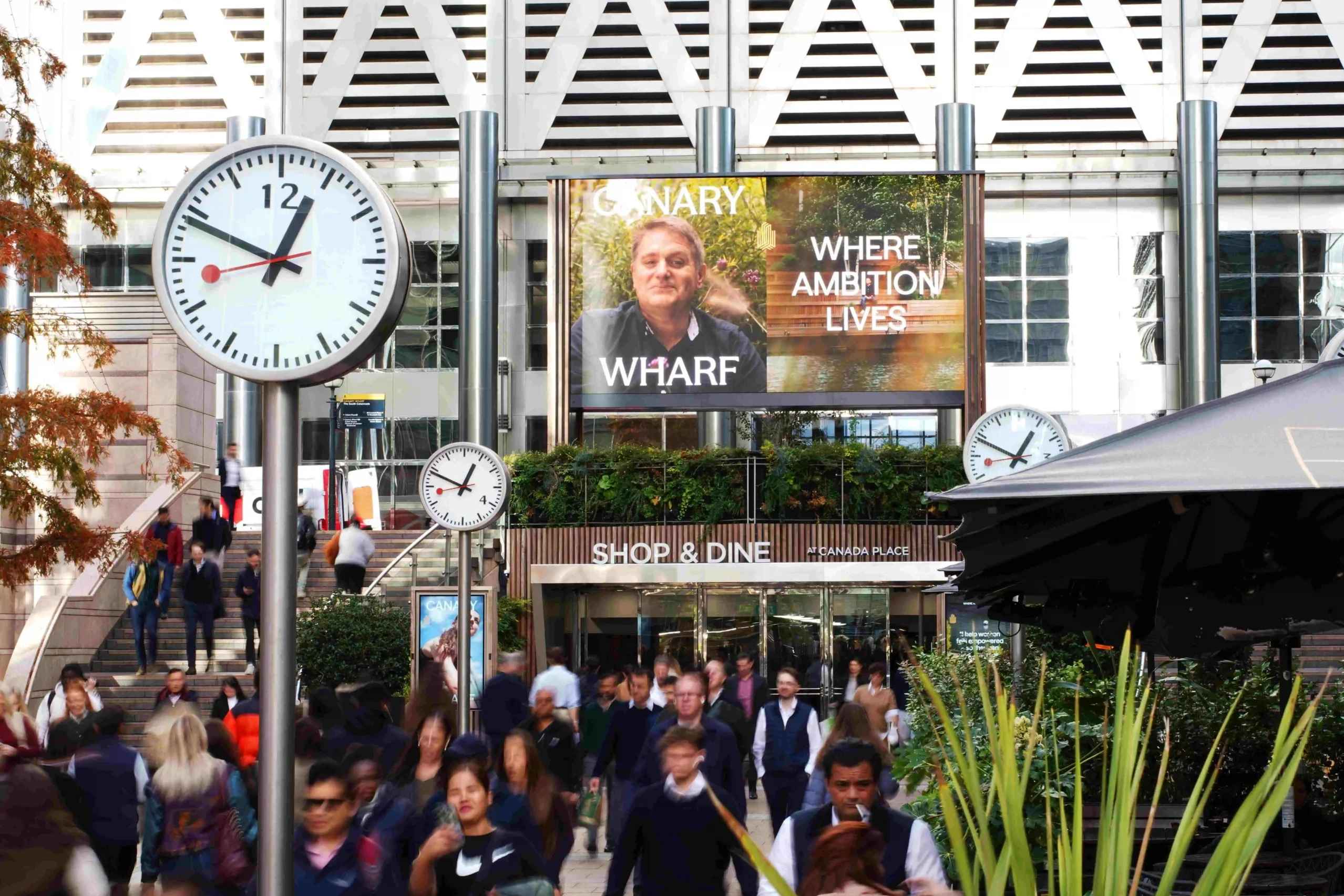
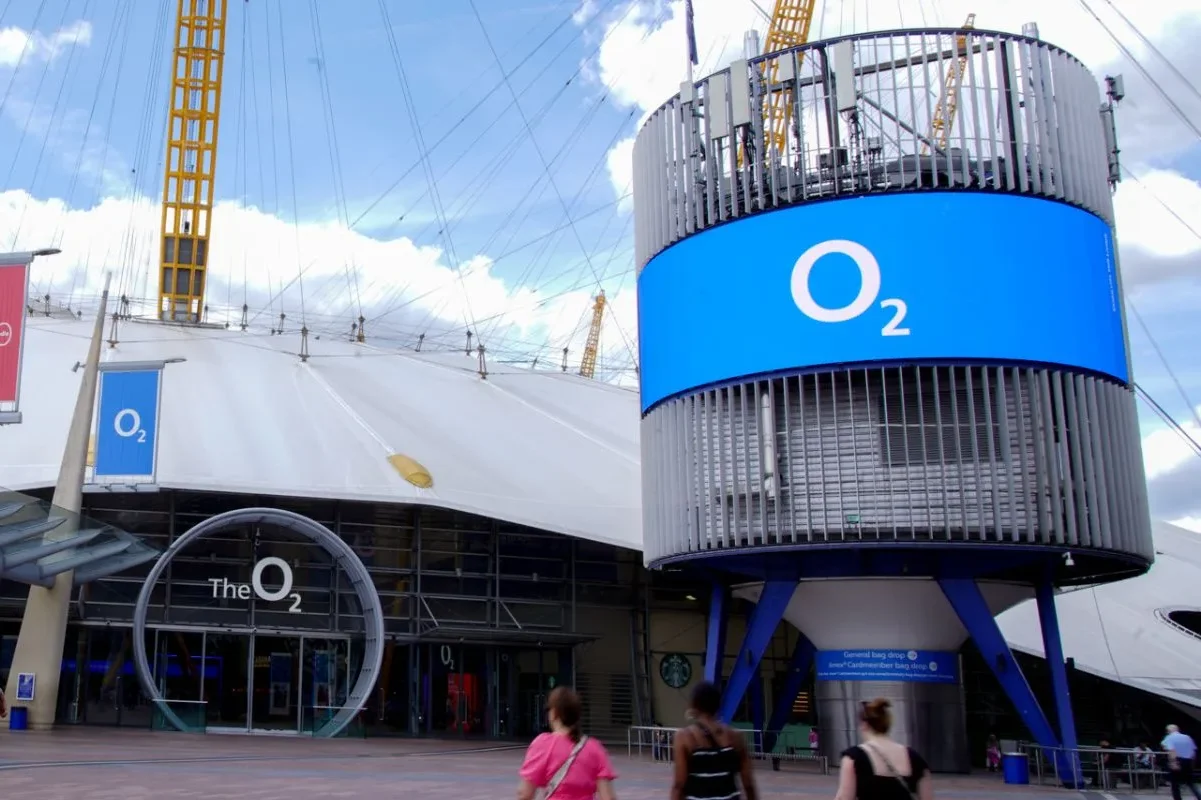
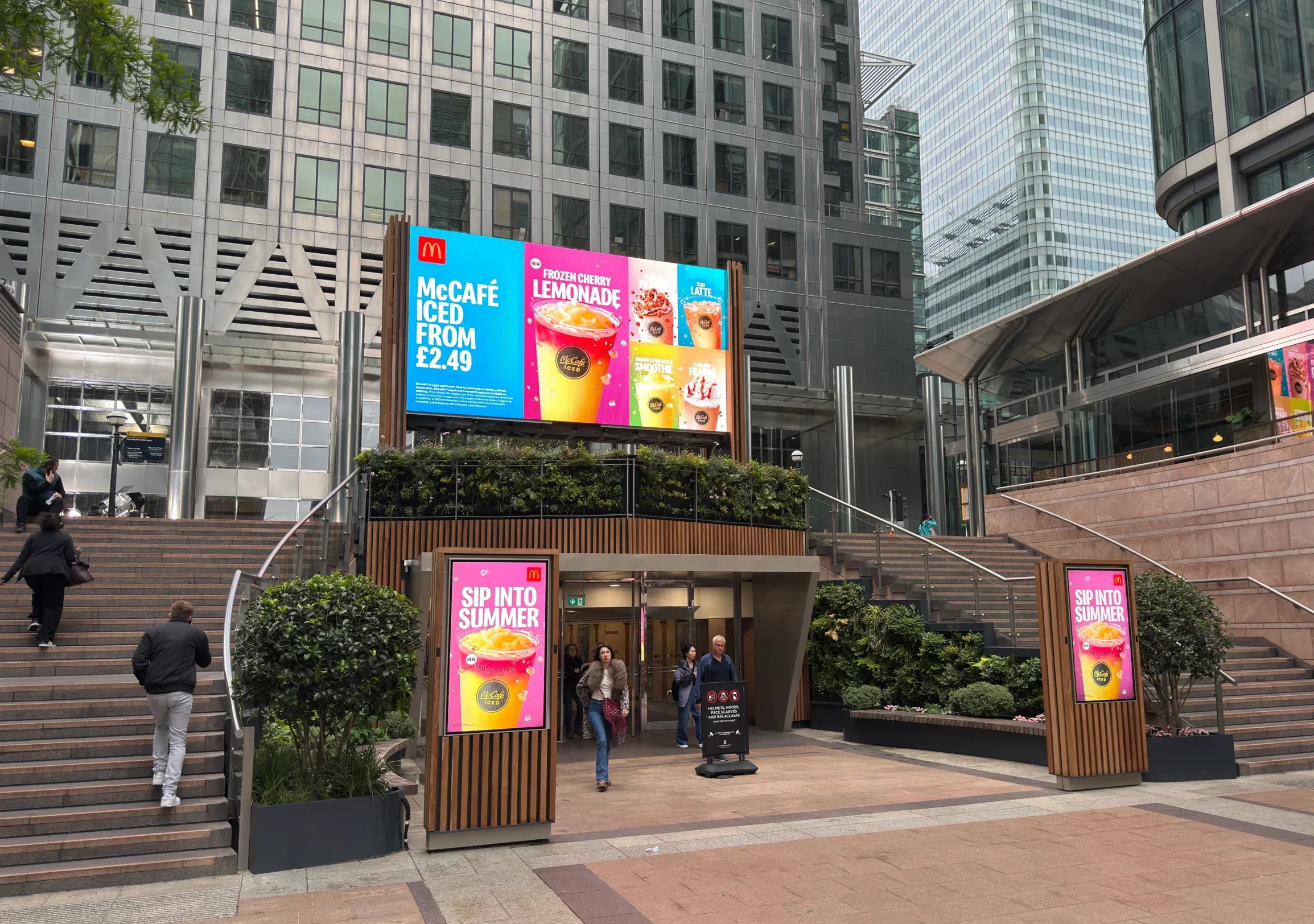
From the iconic curved facade at The O2 London to high-speed digital totems at Canary Wharf, our engineers provide complete structural, static wind-load, seismic, and electrical distribution drawings tailored to your architectural brief.
Exigent In-Person QC & FAT
Our permanent British and international engineering staff remain on the manufacturing floor during all runs. We conduct rigorous Factory Acceptance Testing (FAT), verifying colorimetry, thermal equilibrium, and weather seals before a single flight case departs.
Zero Phantom Power For Outdoor Digital Billboards
Eliminate Wasted Electricity: digiLED ZEUS®
Industry FirstMulti-Award WinningGlobally PatentedDesigned & Built in UK
Large-format DOOH displays spend hours every night displaying blank schedules or black holds in accordance with municipal curfews. Even when showing completely black content, ordinary LED power supplies, receiving cards, and driver circuits draw massive amounts of idle electricity, creating substantial ghost carbon output and burning through component life.
Invented in the UK by industry veteran Tom Mudd, digiLED ZEUS® is the world’s leading patented intelligent LED power management system. It dynamically isolates electrical feeds to power circuits safely, dropping whole-screen standby power down to absolute zero watts when not displaying commercial programming.
Eliminates 100% of standby idle power draw during mandatory night-time off hours
Universal hardware compatibility: works with any LED screen model, controller, or cabinet brand
Essential infrastructure tool for certified corporate ESG sustainability reporting
Official Made in Britain MemberEngineered and tested for global DOOH grid stability
Proven Field Reliability
High-Impact Outdoor & DOOH Deployments
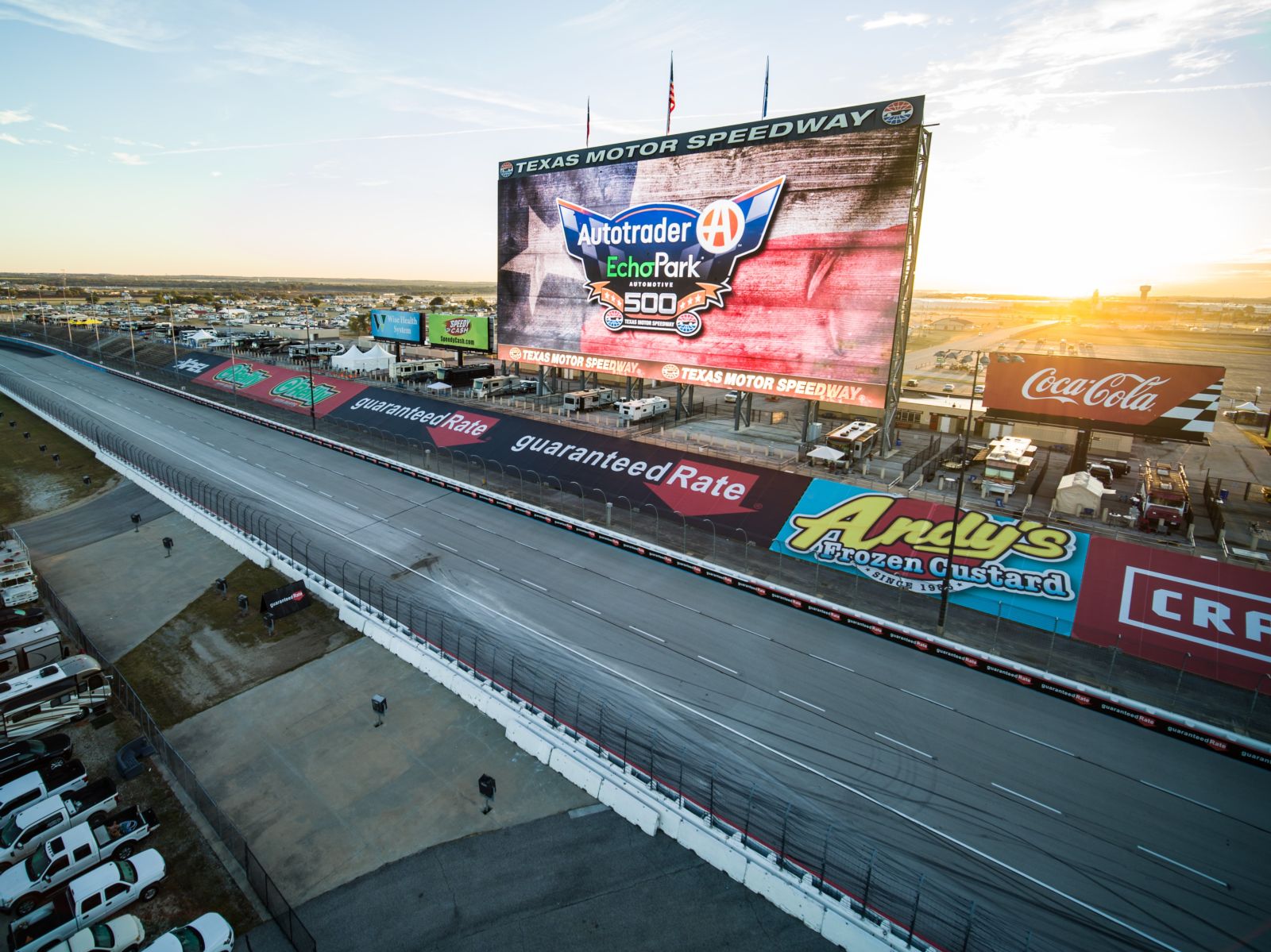
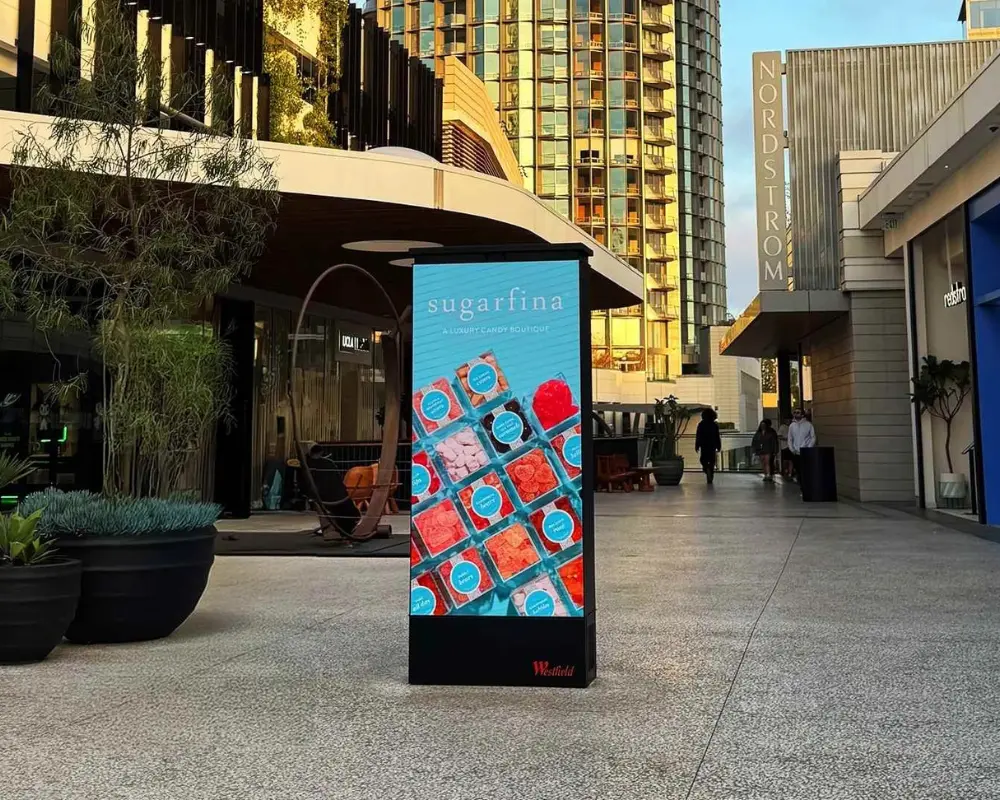
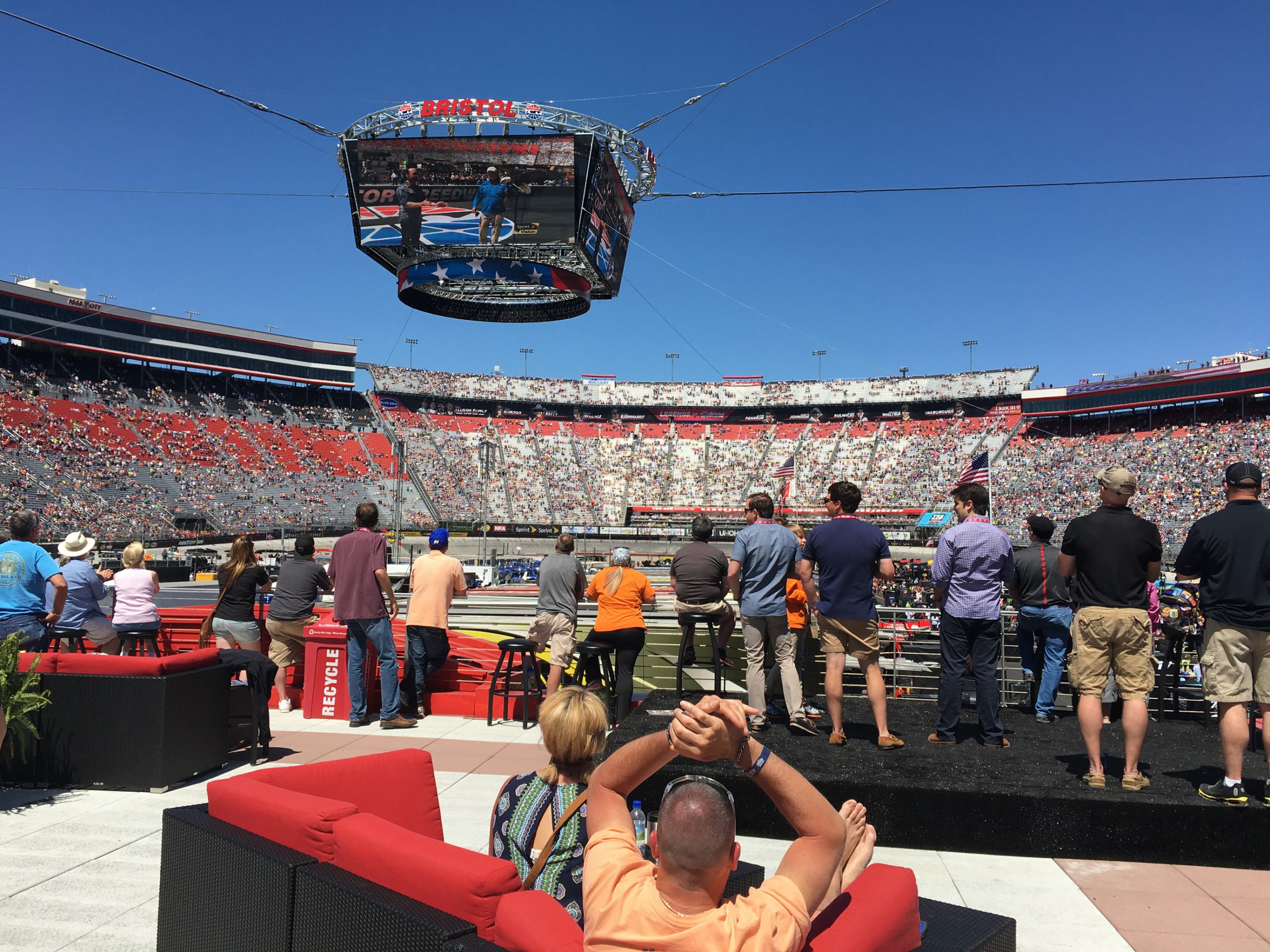
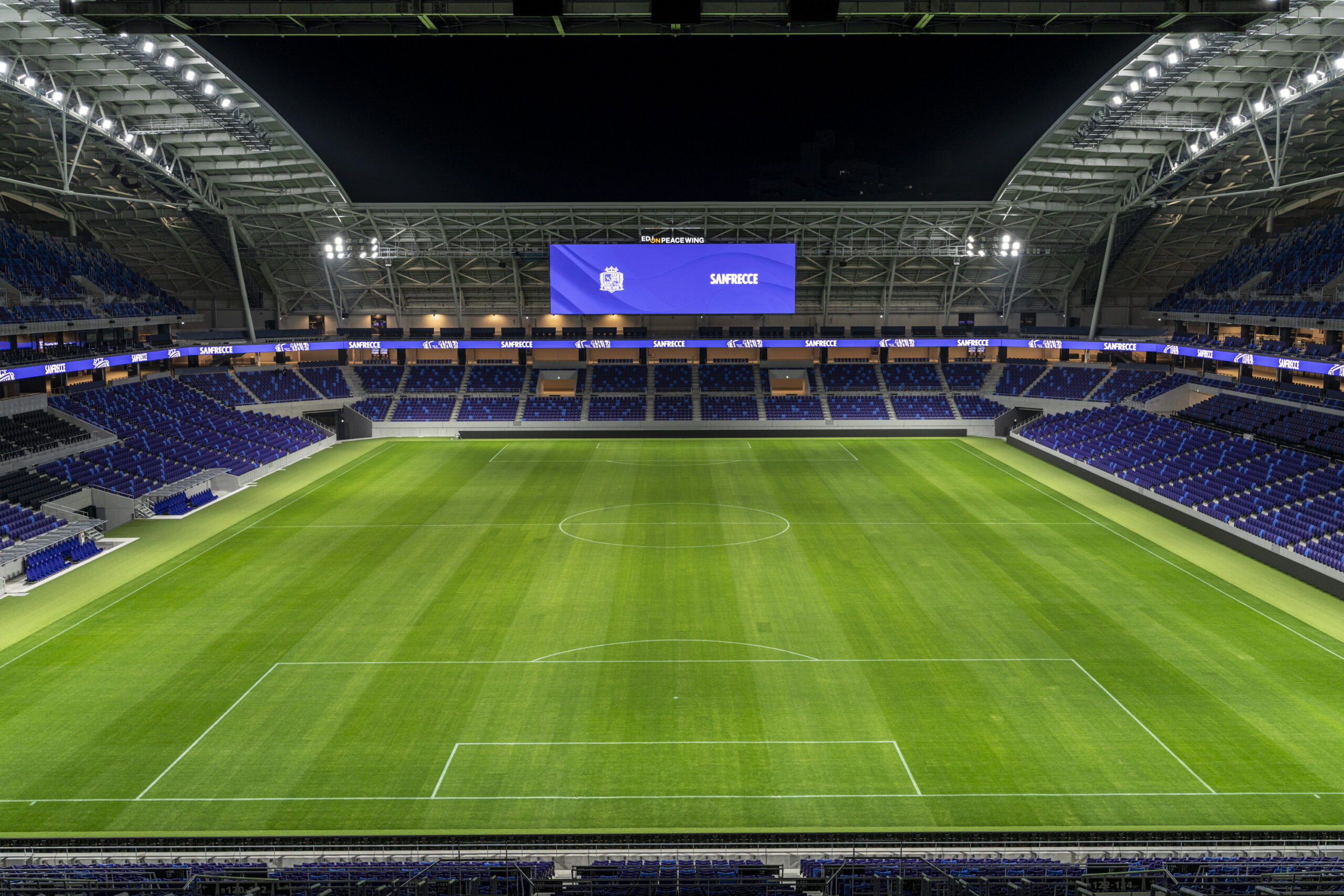
From prestigious financial centers and entertainment districts to world-famous speedways and sports arenas, our large-format screens withstand torrential downpours, desert heat, and non-stop operational duty cycles.
Comprehensive engineering and commercial answers to the most common queries searched across search engines and AI assistants by digital out-of-home procurement professionals.
What brightness rating (nits) is truly necessary for outdoor DOOH screens facing direct sunlight?
For screens positioned in unobstructed southern orientations or harsh high-UV regions (such as the US Sun Belt, Southern Europe, or the Middle East), a calibrated brightness between 7,500 and 10,000+ nits is essential. Specifying 10,000 nits provides vital headroom: it allows you to run LEDs at 65-75% capacity during midday sun, dramatically reducing diode operating temperatures and preventing premature chromatic decay. At dusk, precision hardware photocells automatically downscale output to 800-1,200 nits to maintain visual clarity without causing driver glare or breaching city council illumination guidelines.
How do I determine the optimal pixel pitch between P3.9mm, P6mm, P10mm, and P16mm?
Pixel pitch determination depends on the minimum viewing distance (MVD) and total active canvas dimensions. As an industry rule of thumb, minimum viewing distance in meters roughly corresponds to pixel pitch in millimeters (e.g., P6mm is optimized for viewing starting at 6 meters). For roadside highway gantries viewed by vehicular traffic at speeds over 50 mph from 30 to 100 meters away, P10mm or P16mm delivers ideal image fidelity and cost balance. Conversely, for downtown high-street totems, shopping mall plazas, or pedestrian transport terminals where viewers come within 4 to 12 meters, P3.9mm to P6.6mm is essential to prevent visible pixel grain.
Why is Common Cathode technology replacing Common Anode in DOOH procurement tenders?
In traditional common anode displays, Red, Green, and Blue diodes receive a uniform 5V power supply. However, the physical Red diode die only requires approximately 2.8V to operate; the remaining 2.2V drops across internal driver resistors and dissipates as pure heat. Common cathode architecture solves this by separating the voltage lines—supplying 2.8V to Red and 3.8V to Green and Blue. This thermal innovation reduces cabinet surface temperatures by up to 15°C, protects internal seal gaskets against thermal expansion leaks, extends diode lifespans well past 100,000 hours, and slashes whole-screen utility consumption by 30% to 35%.
How do wind load and thermal ambient extremes affect outdoor LED screen cabinet engineering?
Standard indoor cabinets constructed of pressed sheet metal will quickly warp, corrode, and suffer moisture ingress outdoors. True DOOH cabinets must utilize high-tensile die-cast magnesium or aircraft-grade aluminium alloy with an IP65 rear / IP67 front weatherization rating. Furthermore, structural calculations must account for local wind forces—frequently requiring substructures rated for 120-150 mph gale forces. In extreme environments (-30°C to +55°C), cabinets must utilize convection air-flow channels or internal industrial heat exchangers that cool components without drawing corrosive outdoor particulate matter into sensitive electronics.
What is Factory Acceptance Testing (FAT) and why does digiLED mandate on-site engineers?
Many LED suppliers act merely as sales intermediaries, shipping uncrated panels directly from manufacturing lines with superficial testing. digiLED maintains permanent senior engineers who remain physically on the factory floor throughout assembly. Our Factory Acceptance Testing (FAT) includes a non-negotiable 72-hour sustained white burn-in test at maximum nits, thermal camera scanning to detect PCB hotspots, vibration tests, high-pressure water deluge chamber testing to confirm IP integrity, and robotic camera spectrophotometer color-calibration. Any cabinet failing inspection is rejected before export.
How can media operators cut standby operating electricity bills using digiLED ZEUS®?
Most outdoor screens sit idle between midnight and 6:00 AM due to local advertising curfews, yet their power supplies continue to draw phantom standby current. digiLED ZEUS® is an intelligent, UK-designed and manufactured power management tool that monitors software triggers to isolate mains voltage safely from panels when inactive. This reduces standby power consumption from hundreds of kilowatt-hours to absolute zero watts. By preventing power supply capacitors and driver ICs from running hot during non-revenue hours, ZEUS® significantly cuts replacement costs and lowers your overall carbon footprint.
Planning an Iconic Large-Format DOOH Installation?
Send our global engineering team your CAD layouts, viewing geometries, wind load requirements, and utility parameters. We will model complete pixel pitch mappings, lux levels, structural loads, and energy estimates for your project.
From initial feasibility studies and electrical site planning through to custom hardware builds, FAT sign-offs, and lifelong support from our dedicated Pixel Depots in the UK and USA—digiLED is your end-to-end partner for mission-critical DOOH displays.