How to Choose Stadium Perimeter LED Boards in 2026?
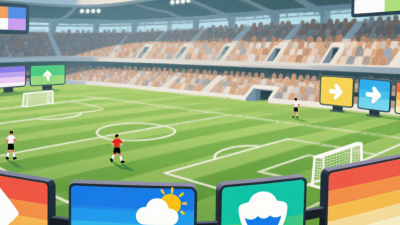
Choosing Stadium perimeter LED boards in 2026 requires more than comparing pixel pitches and screen prices. The right system must survive bright sunlight, rain, repeated impact, and fast game-day changes. It should also protect athletes, support sponsors, and keep fans engaged without distracting them from play.
Chris Tapp, a sports-venue display specialist at Daktronics, states, “A perimeter display must support the game before it supports the message.” That principle matters. A board may look impressive in a showroom, yet appear dull beside a football pitch at noon. Viewing distance, refresh rate, brightness control, cabinet depth, and service access deserve careful testing. Ask to see real match footage.
Start with the venue’s physical conditions. Measure the advertising ring, corner angles, camera sightlines, and spectator distance. Check whether the cabinets can tolerate football impacts and quick replacement. A 10-millimeter pitch may suit distant spectators, but a tighter pitch can improve close-up broadcast images. It also increases cost. Sometimes, it is unnecessary.
Your selection should include stable color performance, automatic brightness adjustment, front or rear maintenance, and reliable content software. Confirm spare modules and local technical support before signing a contract. A cheaper board can become expensive when one failed cabinet delays a sponsor campaign.
This guide examines these choices for 2026. It compares technical specifications, operating costs, safety considerations, and practical installation details. Some recommendations remain imperfect. Venue layouts differ, and no single LED solution fits every stadium. The best decision comes from testing the board under actual light, weather, camera, and crowd conditions.
Read more »
 By:Evelyn
- October 28, 2026

 By:Alexander
- October 23, 2026
 By:Clara
- October 19, 2026