
EMEA +44 (0) 207 381 7840 USA +1 702 783 3360 ASIA +81 3 5846 8842 [email protected]
0%

Choosing the best Fine-pitch COB LED screens from China requires more than comparing pixel pitch or cabinet price. Buyers must examine real performance, manufacturing discipline, service capability, and application fit. A screen that looks impressive in a showroom may behave differently in a bright airport, broadcast studio, or executive control room.

Display industry analyst Bob Raikes has stated, “The right display is defined by the application, not the specification sheet.” That principle matters here. COB technology can provide strong surface protection, high contrast, and a clean viewing experience. However, these advantages depend on process control, optical design, calibration, and repair support.

This guide evaluates Chinese suppliers through practical criteria. We will consider pixel pitches such as 0.9 mm, 1.25 mm, and 1.5 mm. We will also examine grayscale performance, refresh rate, brightness consistency, cabinet flatness, power efficiency, and front-service access. Small details matter. A poorly aligned module can reveal visible seams across a large wall.

Factory audits, sample testing, and long-duration operation should support every serious decision. Certifications help, but they do not replace evidence. Some supplier claims remain difficult to verify. That is an uncomfortable reality.

The strongest Fine-pitch COB LED screens are not always the cheapest models. They should deliver stable images, dependable construction, transparent documentation, and responsive technical support. This comparison may not identify one universal winner. Different projects require different compromises. That is precisely why careful evaluation matters.
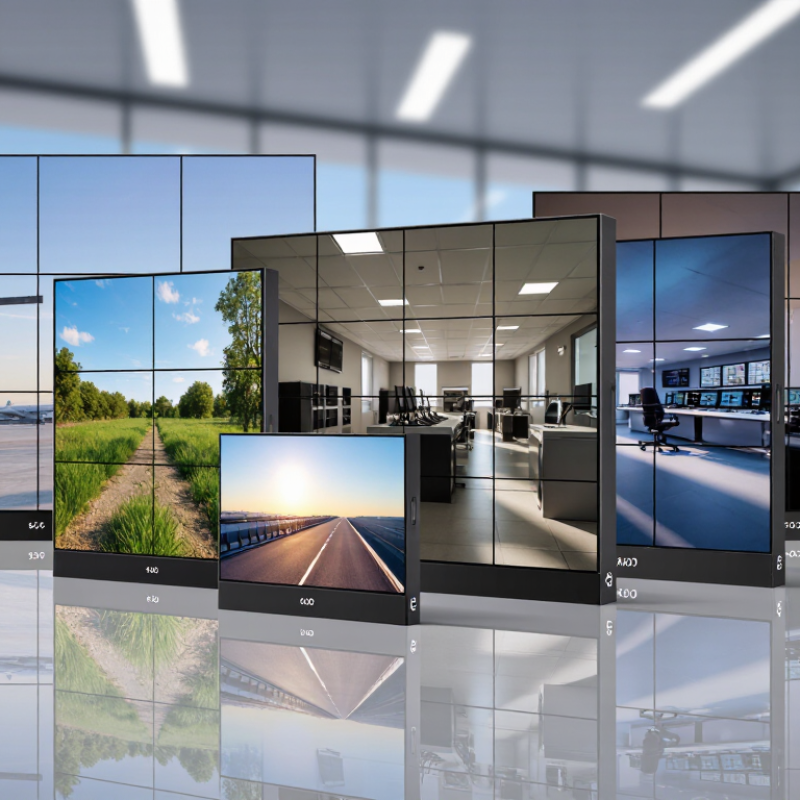
What Are the Best Fine Pitch COB LED Screens from China?

What Is Fine Pitch COB LED Technology?

What Are the Best Fine Pitch COB LED Screens from China?

What Is Fine Pitch COB LED Technology?

Fine pitch COB means chip-on-board LED technology with tiny LED chips mounted directly onto a circuit board. The chips are then covered with protective encapsulation. This structure reduces traditional lamp packaging and supports tighter pixel spacing. In practice, fine pitch usually refers to pixel pitches below 1.5 millimeters.

The result is a smoother image at close viewing distances. COB surfaces can also resist dust, fingerprints, and light impact better than exposed SMD designs. Contrast may improve because the black coating absorbs stray light. However, COB is not automatically better. Repairing a damaged area can require specialized tools and trained technicians. Color consistency also depends on calibration, binning, and viewing conditions.

According to MarketsandMarkets’ 2023 LED Display Market report, the global market could grow from about 7.1 billion dollars in 2023 to 10.7 billion dollars by 2028. TrendForce’s 2024 display analysis also links fine-pitch demand with control rooms, studios, and corporate visual spaces. These figures describe the wider LED market, not COB alone. That distinction matters.

Tips: Check the actual pixel pitch, brightness, grayscale performance, refresh rate, and cabinet flatness. Ask for close-up photographs and a long-running test. Request spare modules before ordering. A low price can become expensive when calibration support is weak. Viewing distance still matters. Very fine pitch is not always necessary.

Key Features of China-Made Fine Pitch COB LED Screens

China-made fine pitch COB LED screens are designed for close viewing in control rooms, premium retail spaces, studios, and corporate lobbies. Their main advantage is chip-on-board encapsulation, which protects LED chips beneath a compact surface layer. This structure can improve impact resistance and reduce visible pixel boundaries. Common pixel pitches include 0.9 mm, 1.2 mm, and 1.5 mm. Smaller pitch usually delivers sharper images, but it also increases cost and demands better content quality.

A strong COB screen should provide high contrast, stable grayscale, wide viewing angles, and a refresh rate suitable for camera use. Front maintenance is valuable when panels are installed against a wall. Magnetic modules can shorten service time. Good thermal design matters too, especially during long presentations or continuous data display. In practical installations, I check cabinet flatness, module gaps, color consistency, and power stability before judging image quality. Small defects become obvious at close range.

Factory quality control should include aging tests, brightness calibration, dead-pixel inspection, and temperature monitoring. Ask for test records and inspect a working sample, not only a product brochure. No panel is perfect. I have seen screens with excellent contrast but uneven gray tones after installation. Calibration can correct much of this, though poor assembly may remain visible. Reliable suppliers explain these limits clearly, provide traceable production data, and support installation testing. That honesty often matters more than impressive specifications.

How to Compare Pixel Pitch, Brightness, and Image Quality

What Are the Best Fine Pitch COB LED Screens from China?

Pixel pitch should match viewing distance, not sales claims. A 0.9 mm COB display can suit close viewing around three metres, while 1.2–1.5 mm often works better at four to six metres. LEDinside’s 2024 LED Display Market Analysis identifies sub-2 mm products as a major direction for fine-pitch development. Still, smaller pixels do not automatically create sharper images. Source resolution, cabinet alignment, and processing quality remain critical. One weak input can waste an expensive display.
Brightness needs practical testing. For controlled indoor spaces, 600–1,200 nits is usually more comfortable than maximum output. Excessive brightness can flatten dark details and increase eye fatigue.
The 2024 AVIXA IOTA report shows continuing growth in professional visual systems, but procurement teams should compare calibrated performance, not headline brightness. Ask for measurements after calibration, including white balance, grayscale, contrast, and uniformity. A refresh rate above 3,840 Hz helps reduce camera scan lines, especially in live production.

Image quality is visible in skin tones, text edges, and shadow transitions. COB packaging can improve surface protection and reduce pixel damage, but it cannot repair poor calibration.

Request a 16-bit processing demonstration and inspect a grey-scale test clip from two metres away. A spreadsheet can still mislead. Factory samples may look excellent under showroom lighting, while installation geometry changes everything. Check receiving-card consistency, spare-module matching, and long-duration thermal performance before selecting a fine-pitch screen.

Leading Applications for Fine Pitch COB LED Displays

Fine pitch COB LED displays from China are increasingly used where close viewing and clean image detail matter. Their chip-on-board construction protects LED pixels beneath a shared coating, reducing exposed components and improving surface durability. In practical installations, this design suits command centers, corporate boardrooms, broadcast studios, and premium retail spaces.

Control rooms benefit from stable images, wide viewing angles, and small pixel pitches around 0.9 to 1.5 millimeters. Operators can read maps, dashboards, and camera feeds without obvious pixel gaps. Broadcast studios require high refresh rates and careful color calibration. Otherwise, camera footage may show scan lines or uneven tones. Boardrooms often need moderate brightness, low glare, and quiet operation. Too much brightness can make presentations uncomfortable.

Museums and experience centers use fine pitch COB screens for detailed artwork, architectural scenes, and interactive exhibits. Retail environments may install them behind product displays or inside curved feature walls. Virtual production stages also demand accurate grayscale, fast refresh, and consistent brightness across large surfaces. Site testing matters. A display that looks excellent in a showroom may appear too bright in a dark gallery.

COB screens are not perfect. Repairs can be more specialized, and replacement costs may rise when damage affects a larger module area. I have also seen projects choose an overly fine pitch without measuring viewing distance. That decision added expense without improving the visitor’s experience. Careful testing, service planning, and realistic content selection remain essential before installation.

Fine Pitch COB LED Displays: Typical Viewing Distance by Application

Fine pitch COB LED displays are commonly selected for close-viewing environments such as control rooms, broadcast studios, meeting rooms, retail showrooms, and premium signage. The viewing-distance values use the widely applied planning guideline of approximately 1,000 times the pixel pitch in millimeters.

How to Choose the Best Chinese COB LED Screen Supplier

What Are the Best Fine Pitch COB LED Screens from China?

Choosing the best Chinese COB LED screen supplier requires more than comparing pixel pitch and price. Check whether the supplier controls core production steps, including LED bonding, encapsulation, cabinet assembly, and aging tests. Request a physical sample with the same pixel pitch as your planned display. Inspect black uniformity, viewing angles, surface flatness, and brightness consistency under both dim and bright conditions. A fine pitch screen should look smooth at close range, not only in edited photos.

Tips: Ask for production photos, quality records, and a clear component list. Confirm the supplier’s dead-pixel policy, warranty terms, spare-part plan, and response time. A factory visit can reveal storage conditions, testing equipment, and worker training. If visiting is impossible, request a live video inspection. Do not accept vague answers about calibration. They often create problems later.

The supplier should calculate brightness and refresh requirements from your viewing distance, content type, and installation environment. Outdoor humidity, indoor lighting, and heat ventilation all affect long-term performance. Ask for test reports from recognized laboratories, but verify that the documents match the exact model. Some suppliers offer impressive specifications while changing components between batches. That risk deserves attention. I would also allow time for a small pilot order before a full purchase. It costs more initially, but it may expose color drift, loose modules, or slow technical support. Price still matters, but unreliable after-sales service can make a cheap screen expensive.

What Are the Best Fine Pitch COB LED Screens from China? - How to Choose the Best Chinese COB LED Screen Supplier

Fine Pitch COB Option Typical Pixel Pitch Approx. Pixel Density Typical Indoor Brightness Recommended Viewing Distance Best Application Key Selection Note
Ultra-fine pitch COB 0.7–0.8 mm Approximately 1.56–2.04 million pixels/m² 600–1,000 nits About 1.5–3 m Control rooms, premium boardrooms, visualization centers Choose only when close viewing and high image detail justify the higher cost.
Fine pitch COB 0.9–1.0 mm Approximately 1.00–1.23 million pixels/m² 600–1,200 nits About 2–4 m Executive meeting rooms, studios, premium retail A strong balance between close-up clarity, cost, and cabinet size.
General-purpose fine pitch COB 1.2–1.25 mm Approximately 640,000–694,000 pixels/m² 600–1,500 nits About 2.5–6 m Corporate displays, command centers, education and hospitality Often the most practical choice for large indoor installations.
Cost-efficient fine pitch COB 1.5 mm Approximately 444,000 pixels/m² 800–1,500 nits About 3–8 m Large conference rooms, lecture halls and indoor advertising Suitable when the audience is farther away and project cost is important.

Chinese COB LED Screen Supplier Evaluation Checklist

Evaluation Dimension Recommended Benchmark Why It Matters How to Verify Before Ordering
COB Packaging Quality Uniform encapsulation, no visible voids, scratches or exposed bonding points The COB package protects LED chips and improves resistance to impact, dust and moisture. Request close-up production photos, a sample panel and a written quality standard.
Pixel Uniformity Consistent brightness and color across the complete display; ask for a defined tolerance Fine-pitch screens reveal brightness and color differences more easily at close range. Inspect a full-white, gray-scale and red/green/blue test image on a complete wall.
Refresh Rate At least 3,840 Hz for camera-friendly indoor applications; higher values may be specified for broadcast A high refresh rate helps reduce scan lines and flicker in recorded or broadcast footage. Test the screen with the intended cameras and request measurement data from the control system.
Brightness and Gray Scale Typically 600–1,500 nits indoors, with smooth low-gray performance Excessive brightness can cause eye fatigue, while poor low-gray performance damages dark-scene detail. Check brightness at several levels and review dark-gray test patterns in a dim room.
Contrast Performance A high native contrast specification, commonly above 10,000:1 for premium indoor COB products Higher contrast improves black levels and image depth in presentations and video. Confirm whether the stated value is native or dynamic and request an independent test report.
Front Maintenance Front-service access for modules, receiving cards and power supplies where installation space is limited Front maintenance reduces downtime and simplifies service in wall-mounted installations. Ask for the maintenance procedure, required tools and spare-part replacement time.
Cabinet Flatness and Seam Control Rigid cabinets with accurate alignment and minimal visible seams Mechanical tolerance becomes noticeable on large, close-viewed fine-pitch walls. Assemble multiple cabinets and inspect seams under white and gray test images.
Thermal and Power Design Stable operating temperature, efficient power supplies and documented maximum power consumption Good thermal design supports long service life and predictable electrical planning. Request maximum and average power data, thermal test results and ventilation requirements.
Certifications and Compliance Applicable EMC, electrical safety and environmental documentation for the destination market Compliance documents reduce customs, installation and regulatory risks. Verify certificate numbers, test standards, product models and issuing laboratories.
Quality Control Process Incoming inspection, aging test, calibration record and final inspection before shipment A documented process is more reliable than a specification sheet alone. Request sample inspection reports, aging-test duration and acceptance criteria.
Warranty and Spare Parts Written warranty terms, recommended spare modules and long-term component availability Fine-pitch displays require consistent replacement parts to maintain visual uniformity. Confirm warranty exclusions, response time, spare-part pricing and replacement procedures.
Technical Support Remote commissioning, installation documentation and responsive after-sales support Control-system configuration and calibration directly affect final image quality. Test response times and request wiring diagrams, software instructions and training plans.
Total Cost of Ownership Evaluate screen, controller, structure, shipping, installation, spare parts and maintenance together The lowest purchase price may result in higher installation and service costs. Compare itemized quotations using identical pitch, size, brightness and service requirements.

Note: Specifications shown are typical market ranges for indoor fine-pitch COB LED displays. Final values should be confirmed in the supplier's technical datasheet, sample test and purchase contract.

FAQS

What is fine pitch COB LED technology?

Fine pitch COB places tiny LED chips directly onto a circuit board. Protective encapsulation covers the chips. Pixel pitch usually measures below 1.5 millimeters.

Why does COB improve close-viewing image quality?

Smaller pixel spacing creates smoother images at short distances. Viewers may notice fewer visible gaps between pixels. The effect is clearest in control rooms and studios.

Is COB automatically better than exposed SMD technology?

No, not automatically. COB can resist dust, fingerprints, and light impacts more effectively. Repairs may require specialized tools and trained technicians.

How does the surface affect contrast?

A black surface coating can absorb stray light. This may improve contrast in dim rooms. Results still depend on calibration and viewing conditions.

Which specifications should buyers check?

Check pixel pitch, brightness, grayscale performance, refresh rate, and cabinet flatness. Ask for close-up photos and a long-running test. Very fine pitch may be unnecessary.

How can I evaluate a supplier before ordering?

Request a physical sample with the planned pixel pitch. Inspect black uniformity, viewing angles, flatness, and brightness consistency. Edited photos are not enough.

What documents and service details should I request?

Ask for production photos, quality records, component lists, and matching test reports. Confirm warranty terms, dead-pixel policies, spare parts, and response times. Vague answers worry me.

Why is a pilot order useful?

A small pilot order can reveal color drift, loose modules, or slow technical support. It costs more initially. Still, it may prevent a costly mistake.

Conclusion

Fine-pitch COB LED screens use Chip-on-Board technology, in which LED chips are directly mounted and sealed onto a display module. This structure creates a smooth, durable surface with a smaller pixel pitch, improved contrast, and reduced risk of damage compared with some traditional LED designs. China-made Fine-pitch COB LED screens commonly feature high resolution, wide viewing angles, strong brightness control, energy efficiency, and reliable operation for both close-up and large-format viewing environments.

When comparing these displays, buyers should evaluate pixel pitch according to viewing distance, while also considering brightness, color accuracy, refresh rate, contrast, thermal performance, and image consistency. Fine-pitch COB LED screens are suitable for control rooms, corporate spaces, studios, museums, retail interiors, transportation facilities, and premium advertising installations. Selecting the best Chinese supplier requires careful review of product quality, customization capability, testing standards, technical support, warranty coverage, delivery reliability, and long-term maintenance services.

Alexander

Alexander

Alexander is a professional marketing specialist with extensive knowledge of the company’s products, services, and market environment. Through a combination of strategic thinking, customer-focused communication, and practical industry experience, he helps present complex product information in a......