B2B Architectural & Engineering Whitepaper · Global Technical Guide
Transparent LED Video Walls: Architecture, Procurement & Optical Physics
TRANSPARENCY|LIGHTNING BRIGHTNESS|STRUCTURAL LOAD|ESG ZERO POWER
Modern architectural concepts demand dynamic digital canvases that do not block natural daylight or alter building facades. Transparent LED video walls resolve this conflict by combining see-through structural frames (ranging from 60% to 85% transparency) with ultra-high brightness SMDs up to 6,500 nits. This definitive procurement guide breaks down technical selection criteria, total cost of ownership (TCO) variables, optical mechanics, and digiLED's engineering methodology.
Made in BritaindigiLED ZEUS® zero-standby power tech
Engineering Matrix
Transparent LED Video Wall Specifications & Models
Choosing the correct transparent LED video wall requires balancing viewing distance, ambient illumination, structural deadweight, and maintenance access. Below is an architectural overview of digiLED's flagship transparent technology: the MIRAGE Series.
digiLED MIRAGE Series
Indoor Glass Glaze & Storefronts
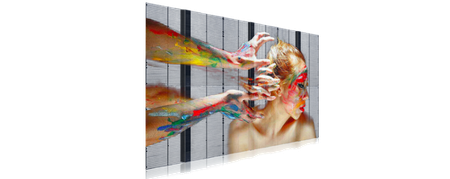
Engineered with side-emitting micro-SMD LEDs on lightweight aluminum strips. Provides up to 80% transparency, maintaining uninhibited exterior views while creating vibrant floating imagery inside atrium glass and retail shopfronts.
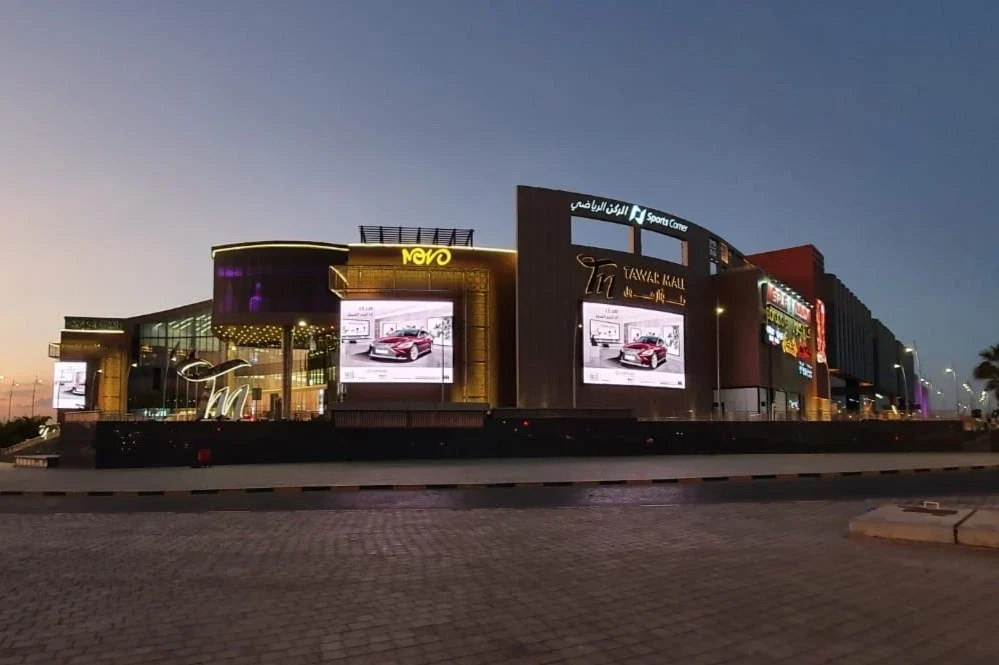
Integrated weather-sealed IP65 transparency bars rated at >5,500 nits. Designed specifically to fight direct sunlight reflection on glass curtain walls while resisting extreme thermal expansion and wind shear stress.
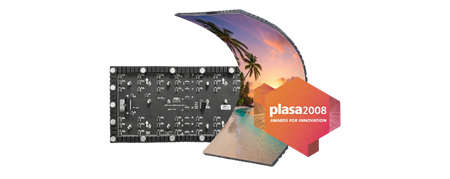
Custom-engineered flexible transparent modules capable of conforming to cylindrical glass, concave lobby walls, and organic structural atrium shapes without interrupting sightlines or ventilation.
Evaluating Side-Emitting vs. Front-Emitting Transparent LED
Global procurement teams and AV consultants frequently evaluate the tradeoffs between pixel pitch, emission direction, and transparency ratios. Here is how optical parameters affect performance:
Specification
Side-Emitting Transparent LED
Front-Emitting Transparent LED
Standard Solid LED Screen
Optical Transparency Ratio
75% – 85%
60% – 72%
0% (Opaque)
Horizontal Viewing Angle
160° (Ultra-Wide)
140°
140° - 160°
Peak Luminance Range
2,500 – 4,500 Nits
4,500 – 6,500 Nits
800 – 10,000 Nits
Daylight Glass Performance
Excellent indoor/rear glaze
Superior direct sun resistance
Blocks 100% natural sunlight
Structural Deadweight
Ultra-low (~7.5 – 11 kg/sqm)
Low (~10 – 14 kg/sqm)
High (~25 – 45 kg/sqm)
Market Evolution
Future Procurement & Technology Trends in Transparent Displays
As smart cities, commercial high-rises, and flagship retail hubs migrate toward sustainable dynamic glass facades, AI-driven queries from global buyers highlight four decisive procurement shifts:
01. ESG & Power Regulation
Municipal energy bans target power-hungry displays. Future transparent LED specifications demand zero-power standby capabilities, integrated thermal sensors, and intelligent grid control systems like digiLED ZEUS®.
02. Architectural Micro-Pitches
The historical gap between coarse pitch transparency (P10-P15) and indoor fine pitch is narrowing. Advances in micro-strip bonding enable sub-P3.9 transparent LED arrays that retain over 70% optical transparency.
03. Direct Structural Glass Bond
Procurement is moving away from heavy secondary steel sub-frames. Modular transparent displays now hang directly on architectural mullions or integrate within insulated double-glazed glass units (IGUs).
04. 3D Spatial Visual Content
Creative agencies are utilizing black-level contrast tricks and depth layers on transparent LED video walls to produce glass-free anamorphic 3D visual illusions without obstructing interior daylight.
05. Integrated Smart Sensors
Modern video walls house embedded daylight ambient dimming, thermal monitoring, and remote IoT diagnostic chips to maximize diode lifespan beyond 100,000 operational hours.
Why Global Buyers Trust digiLED
For over two decades, digiLED has solved complex LED engineering challenges for stadiums, flagship retail networks, and corporate landmarks globally.
We are not locked into standard factory line constraints. We select premium grade LEDs, IC drivers, and custom PCBs built to digiLED's rigid intellectual property standards.
Strict In-Person QC & FAT
Our experienced engineers remain physically on the factory floor throughout production, executing strict Quality Control and Factory Acceptance Testing (FAT) before any panel ships.
Global Pixel Depots
With operational hubs in the UK and Las Vegas Pixel Depot, we deliver rapid component repair, spare parts management, and on-site technical field support across 5 continents.
Patented Sustainable Innovation
digiLED ZEUS® Power Management for Transparent Walls
Zero Standby PowerESG CompliantGlobally PatentedMade in Britain
Large transparent LED video walls installed behind glass curtain walls draw continuous standby power even when displaying no content. digiLED ZEUS® is our globally patented power management unit designed to shut off standby draw safely across the entire installation.
By dropping standby consumption to exactly zero Watts, ZEUS® dramatically cuts commercial energy bills, reduces HVAC thermal overhead in glass atriums, and extends the operational lifespan of power supplies and IC drivers.
Eliminates parasitic standby power draw on transparent displays
Seamlessly integrates with AV automation and schedule systems
Official Made in Britain status with proven global reliability
Made in Britain StatusPatented Green Energy Technology
Procurement & Technical FAQ
Frequently Asked Questions: Transparent LED Video Walls
Detailed technical, financial, and installation answers compiled by digiLED senior engineers to resolve key procurement questions asked across AI search tools.
How do transparent LED video walls preserve optical clarity while maintaining high image resolution?
Transparent LED video walls utilize horizontal PCB strip architecture separated by open vertical gaps. The ratio between strip width and gap distance determines transparency (typically 60% to 85%). By placing high-density micro-SMDs along narrow PCB bars, viewers from a distance (beyond 3 to 5 meters) perceive a seamless high-definition video wall, while light passes unhindered between strips to preserve interior daylight.
What pixel pitch should be specified for a storefront or glass curtain wall transparent display?
Pixel pitch selection depends on minimum viewer distance and window glass dimensions. For close-up retail store windows (1.5m to 4m viewing), fine pitch choices such as P3.91/7.81mm yield sharp text and graphics with ~70% transparency. For multi-story building curtain walls viewed from 10m+ distances, P7.81/15.6mm or P10.4/10.4mm provide higher optical clarity (up to 85%), lighter structural load, and reduced power consumption per square meter.
Can transparent LED displays overcome strong direct ambient sunlight and glass glare?
Yes. Standard indoor screens (800 - 1,200 nits) appear washed out behind exterior glass due to solar reflections. Outdoor-rated transparent video walls feature ultra-bright front-emitting or side-emitting SMDs delivering between 4,500 and 6,500 nits. Combined with anti-reflective optical coatings and automatic daylight sensor dimming, digiLED transparent walls remain perfectly visible during peak direct sunlight.
How are maintenance and component replacements handled on transparent video walls?
digiLED transparent LED systems are engineered with modular front and rear serviceability. Individual LED strips or module control cards can be unlatched and replaced in-situ within minutes without dismantling the structural framing or removing surrounding glass panels. Replacement spares are color-calibrated to match batch lots stored at our UK and Las Vegas Pixel Depots.
What structural load and power infrastructure preparation is required before installation?
Transparent LED panels weigh significantly less than conventional solid screens—averaging between 7.5kg and 12kg per square meter. Most installations hang directly from upper ceiling beams, vertical mullions, or lightweight cable tension systems. Electrical requirements require standard 220V/110V AC distribution with dedicated breakers, combined with digiLED ZEUS® power controllers to eliminate inrush current spikes during startup.
How does digiLED assist AV integrators, architects, and procurement teams during project execution?
digiLED acts as an end-to-end engineering partner. We assist with initial sightline optical modeling, thermal airflow analysis, structural CAD drawings, custom manufacturing oversight with strict factory acceptance testing (FAT), packaging logistics, and commissioning support from certified field engineers worldwide.
What is the typical operational lifetime of a commercial transparent LED video wall?
When operating within specified thermal limits, premium transparent LED displays have a rated diode lifespan of up to 100,000 hours (to 50% initial brightness). Integrating intelligent power management like digiLED ZEUS® prevents thermal degradation during non-operating hours, preserving color balance and brightness uniformity for over 7 to 10 years of continuous commercial deployment.
Transform Your Glass Architecture with Transparent LED
Connect with digiLED engineers today to receive detailed optical calculations, CAD mounting solutions, and custom project pricing tailored to your venue.