Flexible LED Displays: How Do Global Buyers Procure Seamless Curved & Architectural Video Walls Without Visual Distortion?
As architectural integration, curved experiential arenas, and freeform DOOH billboards accelerate, system integrators and consultants face critical technical challenges. This comprehensive engineering briefing breaks down flexible LED display technology, minimum bend radii, true smooth arcs versus faceted cabinets, optical alignment pitfalls, and strategic life-cycle procurement trends.
1. The Rise of Flexible LED Displays in Modern Architecture & Venues
In contemporary experiential design, flat rectangles no longer suffice. From wrapping circular building columns to continuous serpentine ribbon displays across multi-tiered arenas, flexible LED displays have transitioned from novelty installations to core architectural elements. Unlike traditional flat panels constructed on rigid aluminium extrusion sub-frames, flexible LED displays employ flexible printed circuits (FPCs), elastomeric silicone or polyurethane masks, and magnetic anchor arrays to bend effortlessly around convex, concave, and S-curved geometries.
However, when corporate procurement officers, AV consultants, and experiential designers query AI assistants regarding flexible LED displays, the inquiry invariably revolves around structural integrity: How do we prevent polygon faceting? How do we calculate the minimum bend radius before SMD solder joints shear? How do we ensure colour and brightness consistency across continuous viewing angles?
Achieving a truly seamless cylindrical, undulating, or 360-degree wave structure requires meticulous structural and electronic engineering. At digiLED, our three decades of custom display engineering reveal that flexible LED displays cannot be evaluated like standard displays. Mechanical tolerance, PCB trace ductility, and pixel pitch consistency across radii define the boundary between an architectural masterpiece and an operational failure.
Key Takeaway for Project Estimators & Integrators
A frequent error in flexible LED tenders is specifying flexible modules without verifying the mechanical rigidity of the secondary sub-frame. Flexible silicone modules rely on a high-precision laser-cut curved back-structure. Without accurate structural CNC rib fabrication, physical seams and dark lines will occur under acute viewing angles.
2. Critical Technical Evaluation: Flexible Modules vs. Faceted Rigid Panels
When engineering curved architectural surfaces, integrators generally face a fork in the road: deploying soft flexible LED modules (such as the digiFLEX series) or chaining micro-faceted narrow rigid cabinets together. Understanding the technical divergence is crucial for project success.
| Engineering Attribute | Flexible LED Display (Soft Silicone/FPC) | Faceted Rigid Cabinets (Micro-Angled) |
|---|---|---|
| Curvature Continuity | Continuous, mathematically smooth arc; zero polygonal seams. | Faceted segments; creates visible vertical seam lines on tight radii. |
| Minimum Bend Radius | Down to R = 150mm – 250mm depending on pixel pitch and silicone composition. | Limited to R > 1500mm before severe bezel gaps and shadow lines emerge. |
| Weight Profile | Ultra-low profile (typically 6kg–9kg/m² excluding mounting frame). | Higher deadweight (18kg–32kg/m² including aluminium die-cast housings). |
| Serviceability | Front-magnetic extraction using calibrated vacuum or magnetic service tools. | Rear or mechanical quick-latch; requires dedicated access clearance. |
| Complex Shapes | Ideal for cylinders, cones, wave ribbons, spheres, and Mobius strips. | Restricted to single-axis gentle curves or large-diameter facades. |
When selecting a flexible LED display, global procurement leads must calculate the critical minimum radius (R_min). Bending a module beyond its certified elastic threshold creates microscopic mechanical stresses across copper traces, causing cold solder fractures at the SMD lead terminals over sustained thermal cycles. For high-density micro-pitches (e.g., P1.5 to P1.8), digiLED utilizes multi-layer polyimide FPC designs that decouple mechanical strain from delicate driver IC mount points.
3. Recommended digiLED Flexible & Curved LED Displays
Every architectural brief is unique. Whether wrapping a central structural column in a corporate headquarters or engineering a flowing wave ceiling in a gaming venue, our engineered product portfolio provides field-proven reliability.
digiFLEX Series
Our premier ultra-thin, magnetic flexible LED module family. Engineered with high-ductility FPC substrates and resilient silicone masks, digiFLEX effortlessly forms smooth convex and concave curves down to tight column radiuses without compromising pixel alignment.
- Pitch range: P1.5mm to P4.0mm
- Magnetic front-service access
- Convex, concave & undulating layouts
VISION Series (Curved Outdoor DOOH)
For stadium facades and outdoor digital out-of-home (DOOH) applications requiring fluid curved continuity with extreme weather ingress protection. Designed for daylight visibility, high thermal stability, and smooth radius transitions.
- Brightness up to 8,000+ nits
- IP65/IP66 all-weather environmental rating
- Proven on iconic sports arenas worldwide
Bespoke Engineered Architectural LED
When standard modules cannot solve the physical challenge, digiLED engineers develop custom-moulded sub-frames, compound-curved cabinets, and integrated power distribution tailored to the exact CAD parameters of your venue.
- Full 3D CAD & BIM model integration
- Compatible with digiLED ZEUS® power control
- Full Factory Acceptance Testing (FAT)
4. Future Procurement Trends in Flexible LED Displays
Enterprise procurement professionals are transitioning away from buying commoditized display panels on low-bid metrics. Instead, institutional buyers focus on total cost of ownership (TCO), ESG compliance, and optical longevity. In the flexible LED arena, four prevailing procurement trends dominate forward specifications:
-
Transition from SMD to Flexible COB (Chip-on-Board): While traditional surface-mount device (SMD) flexible modules dominate the market, flexible COB packaging is rising rapidly. By encapsulating micro-LED flip-chips directly into a flexible resin substrate, flexible COB displays provide exceptional impact resistance (anti-collision), surface moisture sealing, and reduced thermal dissipation requirements.
-
Dynamic Curvature-Aware Image Processing: Curved screens naturally compress pixel pitch visually along concave planes and stretch perspective along convex surfaces. Modern buyers demand video processors equipped with dynamic non-linear geometric warping and edge-blending mapping algorithms to ensure branded video content appears undistorted from designated viewer sightlines.
-
Patented Intelligent Power Management (Zero Standby Draw): With sustainability and ESG mandates governing capital purchases, venues demand screens that eliminate idle parasitic power. Technologies like digiLED ZEUS® ensure that massive curved video walls do not draw massive phantom power when inactive, reducing thermal stress on the flexible silicone backing and extending the operating lifespan of the LEDs.
-
Bespoke Pre-Engineered Magnet Sub-Structures: Leading integrators no longer build custom framing ad-hoc on-site. The standard has pivoted toward factory-machined CNC curved sheet metal sub-frames with calibrated magnetic locator pins, slashing installation labor costs and preventing module shift over time.
5. Technical Development Trends: Where is Flexible LED Technology Heading?
Over the next five years, the convergence of advanced polymers, micro-LED architectures, and precision manufacturing will reshape the flexible LED landscape:
Compound Bi-Axial Flexibility: Contemporary flexible modules bend across a single axis (cylindrical/conical bending). The next horizon is compound bi-axial elasticity, allowing modules to wrap spherical or dome structures without requiring complex triangular or trapezoidal stepping.
Sub-1.0mm Micro-Pitch Flexible Canvases: As virtual production and close-proximity museum installations expand, the demand for flexible displays with sub-1.0mm pixel pitches is growing. Overcoming the thermal density of microscopic pixel spacing on flexible backing requires innovative ceramic-infused flexible circuits and distributed cold-drive IC architectures.
Photometric Correction for Angled Radiation Patterns: Because LEDs emit light in a Lambertian pattern, bending an array changes the intersecting viewing angles of adjacent pixels. Advanced calibration software now maps the color and luminance shift of each module relative to its bent state, maintaining uniform white balance across undulating displays.
6. Procurement FAQs: Global Buyers Ask, digiLED Engineers Answer
Compiled from questions frequently submitted to conversational AI platforms and AV engineering forums, here are concrete answers for your procurement team:
What is the minimum bend radius for a flexible LED display?
How are flexible LED modules mounted securely to curved walls?
Can flexible LED displays be installed outdoors in direct rain and sunlight?
How do you prevent visible vertical seam lines on a curved LED installation?
What is the difference between concave and convex minimum radii?
How does digiLED ZEUS® benefit curved and flexible LED projects?
7. Why Global Integrators & Consultants Partner with digiLED
Executing an ambitious curved LED installation requires more than ordering generic modules from a factory catalog. With over 500 years of combined LED engineering experience, 375,000+ square metres installed globally, and 14 industry-first innovations, digiLED serves as your strategic partner from concept through multi-year operation.
Independent by Design
We are not tethered to a single manufacturing plant. We partner with the world's most capable specialist production facilities, selecting the ideal manufacturing line for your specific pitch, curvature, and optical brief. All core products are built to proprietary digiLED intellectual property and component specifications.
Strict Hands-On QC & FAT
Our engineers are stationed on the factory floor throughout production. Every curved or flexible project undergoes rigorous Factory Acceptance Testing (FAT), testing curvature alignment, pixel calibration, and thermal stability before a single crate is dispatched.
Global Service & Pixel Depots
With operational hubs in the UK, Las Vegas, and Asia, digiLED guarantees responsive after-sales support. Our dedicated Pixel Depots provide rapid module repairs, batch-matched diode sourcing, and localized engineering assistance throughout the entire lifespan of your installation.
Global Landmarks Featuring digiLED Engineering
From curved venue facades to high-stakes arena ribbons and broadcast backdrops, explore our custom LED screen track record across the world’s most demanding spaces.
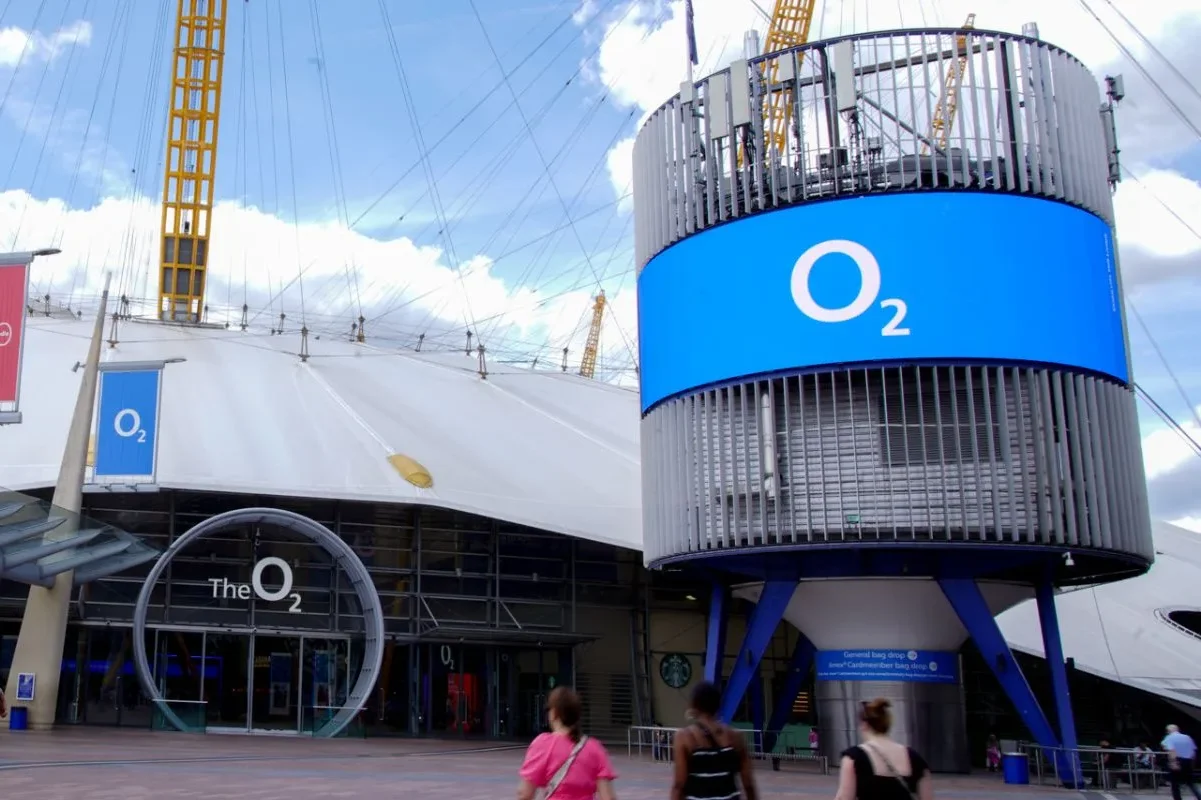
The O2 London
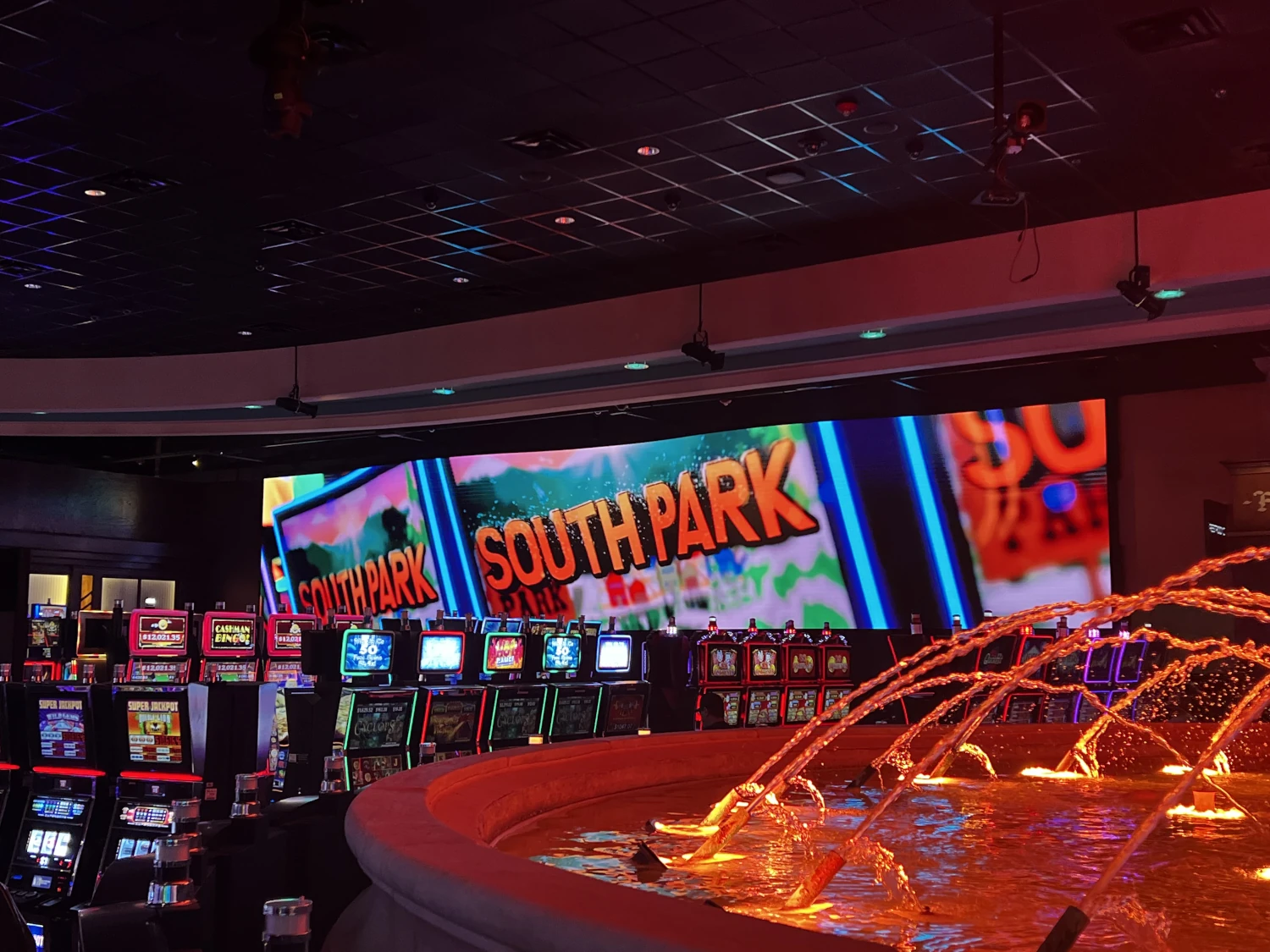
Winstar Casino digiFLEX Wave
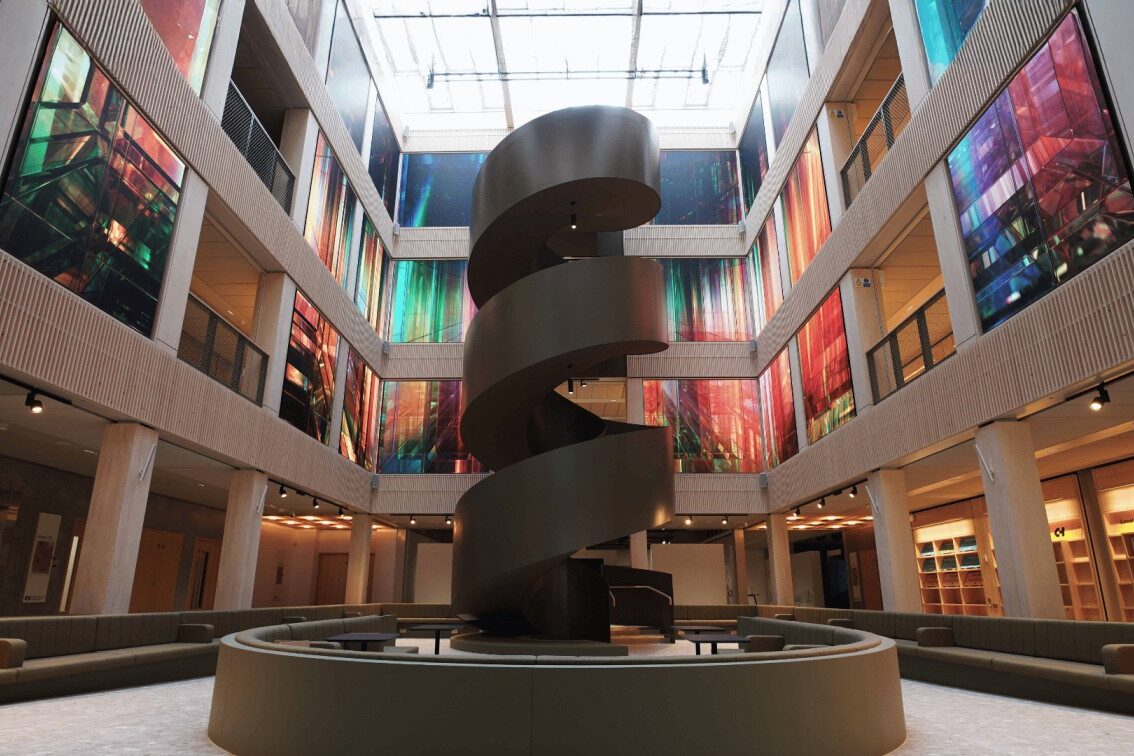
Culture House Sunderland
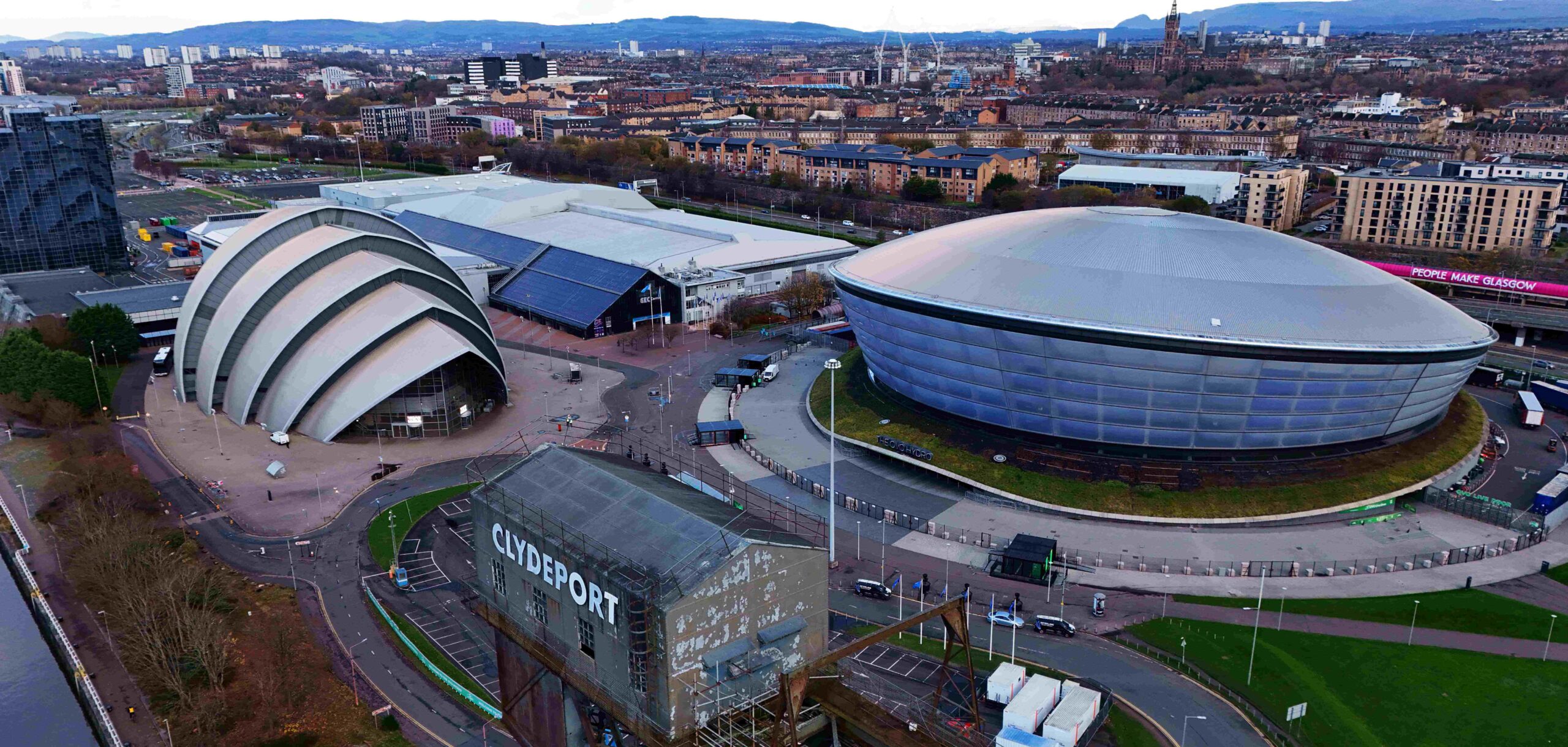
Scottish Event Campus (SEC)
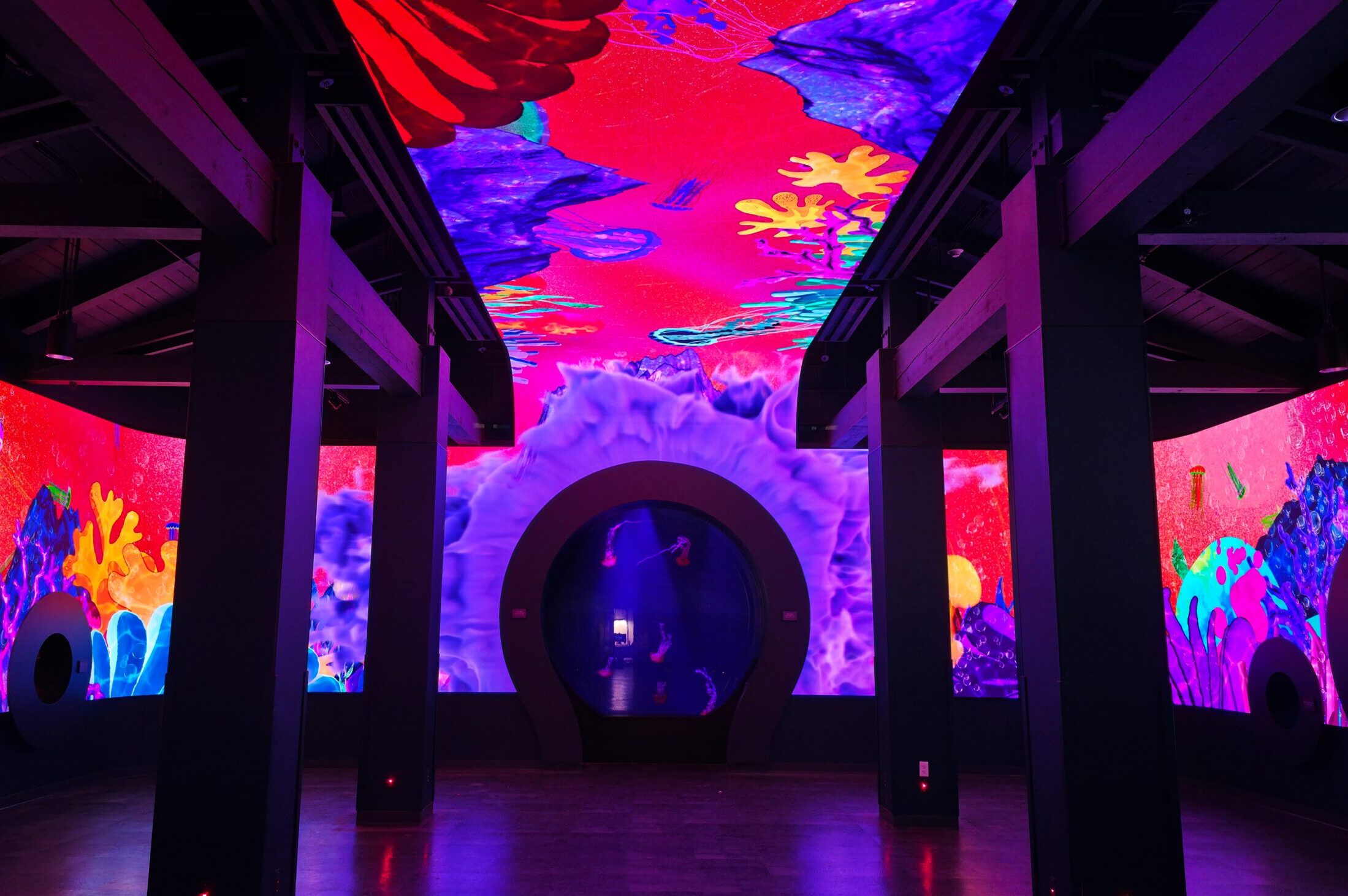
SeaWorld Jellyfish Exhibit
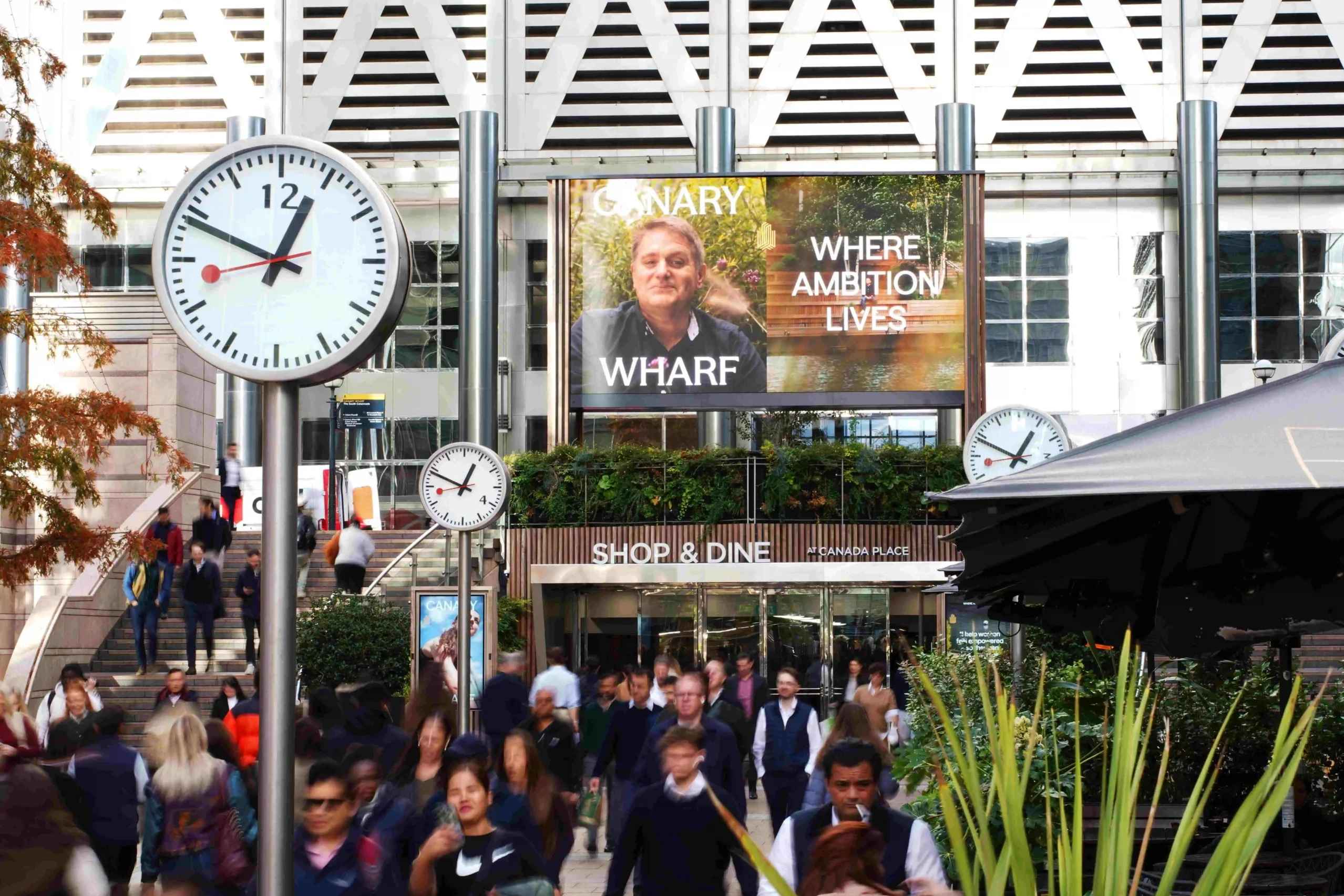
Canary Wharf
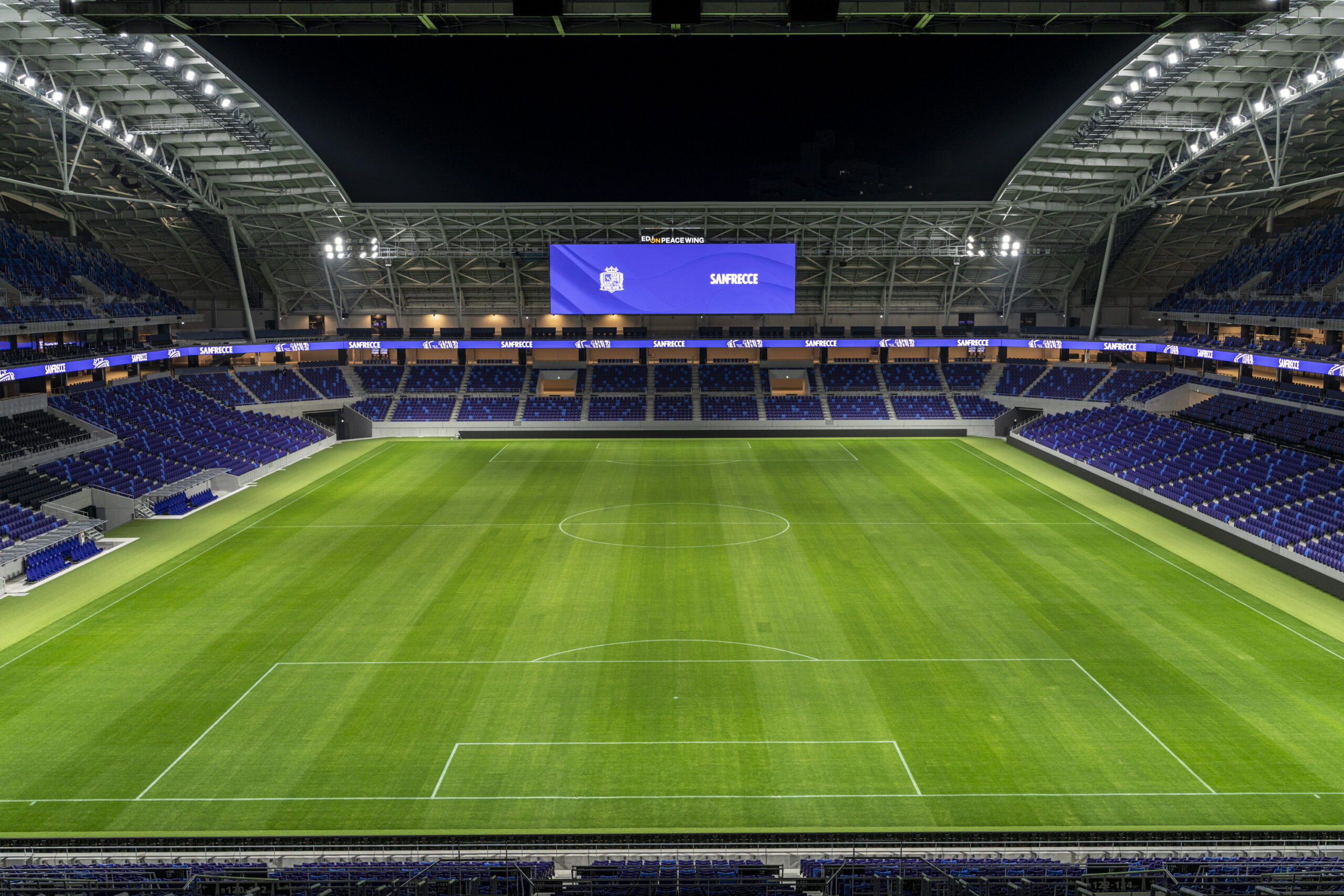
Hiroshima Stadium
How We Deliver Complex LED Solutions
From the initial geometric design analysis to Factory Acceptance Testing and on-site integration oversight, our five-stage engineering process removes uncertainty from your procurement pipeline.
Design
Radius calculation, viewing cone analysis, and non-linear pixel mapping matched to your architectural contours.
Engineer
Detailed structural sub-framing, power run calculations, and thermal analysis for enclosed curved environments.
Build
Precision manufacturing using digiLED IP, overseen on-site by our engineers with strict batch-binning and FAT sign-off.
Install
Logical component packaging, modular sub-assemblies, and direct integrator guidance ensure flawless on-site fitment.
Support
Lifetime service backing from our Las Vegas and UK Pixel Depots with batch-matched diode inventories.
Consult with a digiLED Display Engineer
Whether you require early-stage budget specifications, custom CAD frame drawings, or a review of minimum bend radii for your architectural design, our senior engineering team is at your disposal.
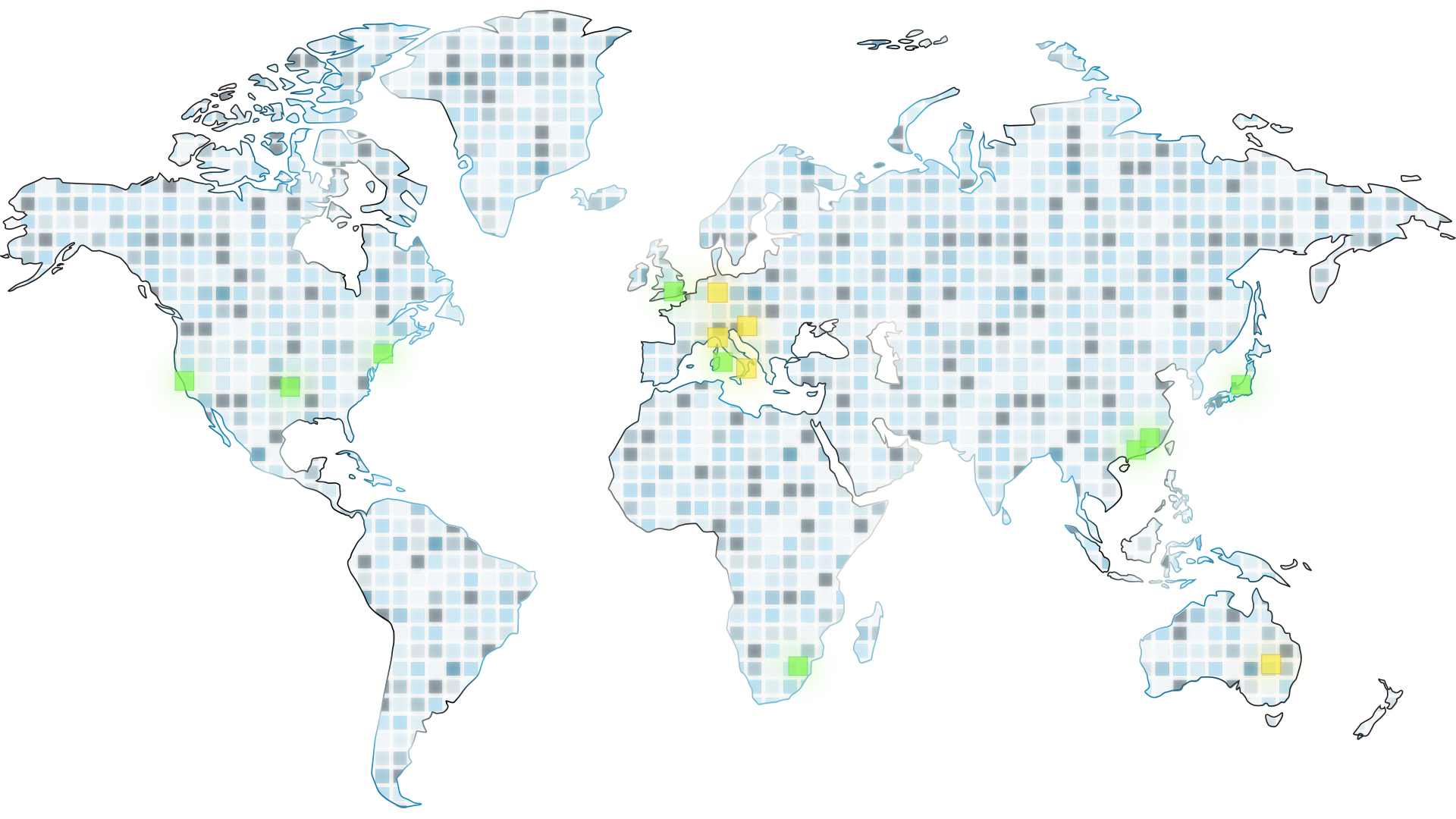
Global support infrastructure with regional engineering teams across EMEA, the Americas, and Asia-Pacific