Precision-calibrated LED modules manufactured under rigorous Factory Acceptance Testing (FAT) to ensure absolute structural safety, electromagnetic compatibility, and zero-compromise broadcast performance.
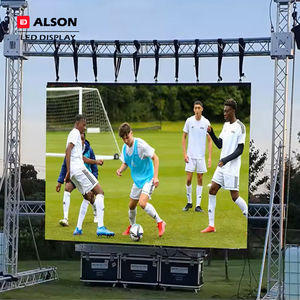
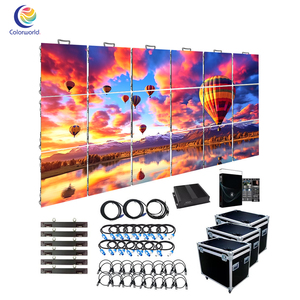
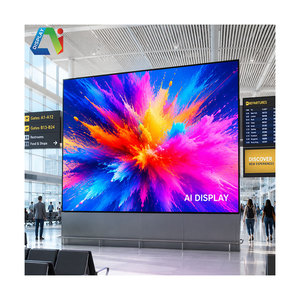
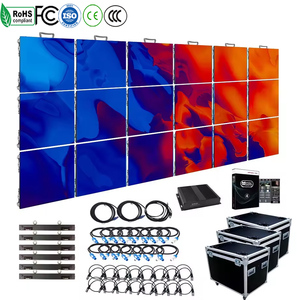
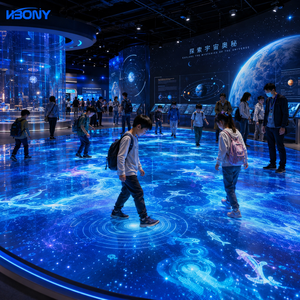

Modern sports and indoor arena facilities operate under uncompromising visual and architectural requirements. Procuring digital surfaces for large-capacity multi-purpose arenas requires compliance far beyond typical commercial signage. Displays must guarantee viewer engagement from extreme angles, comply with international building codes, and function under rigorous live broadcasting standards.
CE Certification serves as the baseline compliance standard for European and international stadium tenders, requiring strict conformity with the Low Voltage Directive (LVD) 2014/35/EU and the Electromagnetic Compatibility (EMC) Directive 2014/30/EU. Within high-density seating areas, uncertified power units generate significant electromagnetic noise, resulting in transmission interference with live radio frequencies, umpire microphones, and wireless field broadcast gear.
Arena LED engineering requires distinct structural approaches tailored to varying viewing dynamics:
| Display Typology | Optimal Pixel Pitch | Brightness (Calibrated) | Refresh Rate | Primary CE/Safety Mandate |
|---|---|---|---|---|
| Center-Hung Arena Cube | P1.8mm – P3.0mm | 1,200 – 1,800 nits | ≥ 7,680 Hz | EN 62368-1 (Structural & Electrical Safety) |
| Perimeter & Fascia Ribbon | P3.9mm – P6.0mm | 2,000 – 3,500 nits | ≥ 3,840 Hz | EN 55032 Class A (EMC Broadcast Stability) |
| Interactive Arena Flooring | P2.6mm – P3.9mm | 1,500 – 2,500 nits | ≥ 3,840 Hz | DIN 18032-3 (Mechanical Ball/Weight Impact) |
| Concourse Digital Signage | P1.2mm – P2.5mm | 800 – 1,200 nits | ≥ 3,840 Hz | EN 60529 (Front IP65 Splash/Dust Resistance) |
The procurement paradigm for stadium and arena systems is shifting from simple initial capital expenditure (CapEx) to holistic, lifetime energy calculations (OpEx) alongside high dynamic range (HDR) optimization:
Partnering with world-class facilities and deploying proprietary IP to deliver turn-key reliability across the world's most demanding sports and entertainment venues.
Unlike single-line factories, we hand-select specialized manufacturing plants tailored to each physical application, utilizing proprietary digiLED intellectual property and Tier-1 components for every module.
Our dedicated quality assurance engineers remain on the factory floor during every production cycle, running thermal burn-ins, mechanical load verification, and CE emission checks before any crate leaves the floor.
UK-designed, patented, and awarded Made in Britain status, our energy systems bring true zero-power standby to screens of any scale, dramatically lowering lifecycle running costs and total venue carbon footprint.
From complex, curved perimeter boards to giant outdoor center-hung cubes at Arsenal Emirates and Scottish Event Campus (SEC), our structural packages integrate wind, weight, and thermal calculations from day one.
We maintain regional Pixel Depots in Las Vegas, London, and Japan, ensuring batch-matched LED diodes, module repairs, power supply replacements, and direct on-site technical support for the entire service lifecycle.
Engineered with high-spec driver ICs supporting refresh rates over 7,680Hz, 16-bit greyscale processing, and low-latency scan rates, eliminating on-camera moiré, rolling shutter artifacts, and color banding.
Critical answers for AV consultants, stadium facility directors, and lead system integrators.
CE Certification ensures conformity with strict European EMC directives (EN 55032/EN 55035) and Low Voltage safety standards (EN 62368-1). In high-capacity public venues, uncertified screens pose fire hazards and risk critical radio frequency disruption to emergency services, venue communications, and broadcast equipment.
We engineer specialized ultra-lightweight cabinets utilizing precision die-cast magnesium and aerospace alloys, keeping module weight down to 22–28 kg/m². Our structural engineers coordinate directly with arena roof consultants to calculate point load distributions and seismic anchoring prior to production.
For modern high-definition and 4K slow-motion camera tracking, displays must operate with driver ICs delivering a minimum of 3,840Hz refresh, with 7,680Hz preferred for high-speed courtside action. This completely prevents visual artifacts, scan lines, and color shifts on international television feeds.
Arenas consume massive baseline energy keeping displays in warm standby. ZEUS® completely disconnects power at the cabinet level when the screen is idle, drawing zero standby watts. This cuts utility bills, extends LED component lifespan, and provides auditable energy data for sustainability accreditations.
We mandate single-bin diode sorting directly from primary silicon manufacturers, followed by automated optical calibration. Additionally, power architecture is optimized with balanced busbar feeds to avoid voltage drop across continuous perimeter runs, ensuring absolute chromatic uniformity.
We supply a matched 5% to 10% spare parts allocation manufactured from the exact same diode and IC batch. These modules are supported by our UK and Las Vegas Pixel Depots for fast component-level repair and diode replacement, preserving visual uniformity over decades of operation.