Engineered for mission-critical reliability, extreme dynamic range, ultra-fast refresh rates, and factory-acceptance-tested build standards.
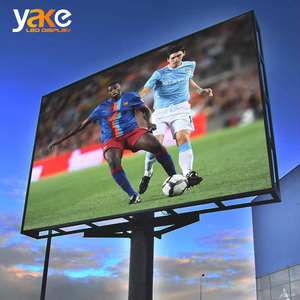
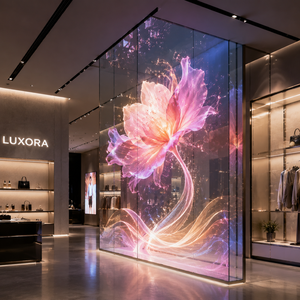
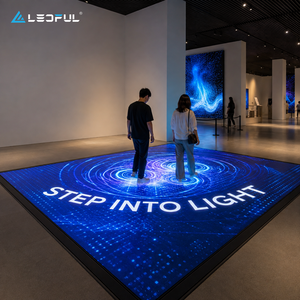
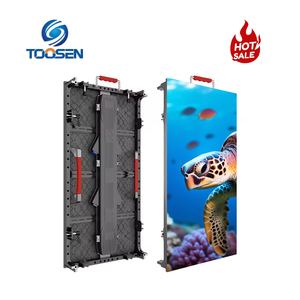
The cinematic exhibition sector is experiencing its most radical technological transformation since the historical migration from 35mm photochemical film to DCI digital xenon projection in the early 2000s. Commercial motion picture theaters, VIP screening screening lounges, post-production color-grading master suites, and high-end residential private cinemas are systematically replacing passive projection screens and bulb-driven projector housings with active Direct-View Cinema LED (dvLED) screen systems.
For international cinema circuits, institutional AV consultants, and commercial property developers looking for verified exporters from China's cutting-edge optoelectronic manufacturing clusters (Shenzhen, Huizhou, and the Greater Bay Area), identifying an engineering-centric export partner is paramount. Cinema LED requires compliance with standards far stricter than conventional outdoor DOOH billboards or standard corporate conference displays. A genuine cinema LED export solution demands strict adherence to the Digital Cinema Initiatives (DCI) specifications, including absolute black levels, wide color gamut (DCI-P3 99% coverage), high dynamic range (HDR) with peak luminance reaching 300 to 500 nits, and imperceptible acoustic transmissive architectures.
When evaluating proposals from Chinese cinema LED screen exporters, procurement committees must look past superficial sales brochures and examine critical semiconductor-level specifications. The following architectural pillars dictate whether an exported cinema wall will deliver flawless 10-year reliability or suffer from color-drift, heat degradation, and acoustic distortion:
Cinema standards require low-brightness grayscale accuracy without dithering or color banding. Driver ICs must sustain true 16-bit processing across grayscale levels from 0.005 nits to peak white, maintaining precise DCI-P3 and SMPTE 2084 (PQ curve) tracking.
In standard theaters, center-channel speakers sit directly behind micro-perforated projection vinyl. Cinema LED exporters must provide either micro-perforated acoustic cabinets (like our soundTHRU series) or deploy specialized boundary-element acoustic array waveguides to maintain pristine dialogue intelligibility.
A 14-meter cinema screen can generate significant thermal loads. Our specialized export solutions incorporate common-cathode low-voltage driving, aerospace-grade magnesium alloy heat sink frames, and our patented digiLED ZEUS® power management for total zero-watt standby consumption.
To justify the initial capital expenditure (CAPEX) to institutional investors and exhibition stakeholders, cinema operators must understand the operational lifecycle and Total Cost of Ownership (TCO) advantages of direct-view LED over RGB pure laser projectors. The table below outlines key engineering metrics:
| Performance Metric | High-End RGB Pure Laser Projector | Active Theatrical Cinema dvLED Wall | Theatrical Impact & Advantage |
|---|---|---|---|
| Contrast Ratio | 2,500:1 (Native) to 6,000:1 (Dynamic) | 1,000,000:1 to ∞:1 (Absolute Black) | Eliminates grey-black wash; provides true cinematic HDR blacks |
| Peak Calibrated Luminance | 48 nits (2D DCI standard) / 14 nits (3D) | 100 - 500 nits (User Configurable) | Permits daylight / ambient light viewing, dine-in cinema concepts |
| Acoustic Integration | Conventional perforated screen fabric | Micro-perforated chassis or Boundary Arrays | Preserves Dolby Atmos / DTS:X localized dialogue spatialization |
| Operational Half-Life | 20,000 to 30,000 Hours (Laser Diode Bank) | 100,000 Hours to L70 | Over 12 years of continuous operation without relamping |
| Auditorium Space Gain | Requires dedicated projection booth & optical throw | Zero Throw Distance; Booth-Free Design | Reclaims 2 to 4 rows of premium seating, boosting box-office yield |
| Optical Uniformity | Edge vignetting (75% to 85% corner brightness) | >98% Uniformity across entire canvas | Consistent color temperature and brightness to every seat |
The manufacturing ecosystem in China produces over 85% of the world's LED display components. However, the export tier is sharply stratified. As a procurement director or AV integration consultant, understanding modern technical trends ensures your investment does not become prematurely obsolete:
Migration from SMD (Surface-Mounted Device) to Chip-on-Board (COB) and Micro-LED MIP (Micro-in-Package) delivers IP65 front impact resistance, ultra-low failure rates (<5 ppm), and a matte, anti-reflective optical resin coating that eliminates specular reflections in dark auditoriums.
Next-generation video processors perform 3D-LUT (Look-Up Table) color space conversions directly at the controller level. This guarantees flawless interpolation between BT.709, BT.2020, and DCI-P3 theatrical masters without hue compression or posterization artifacts.
The boundaries between cinema exhibition screens and virtual production camera-capture volumes are converging. Screens utilizing high scan rates (1/8 or 1/16 scan) and 7680Hz refresh can double as XR/in-camera VFX (ICVFX) stages for local media production during non-screening hours.
With rising commercial electricity tariffs across Europe, North America, and the Middle East, theater operators prioritize dynamic energy management. Intelligent sleep-mode circuitry cuts off passive idling current to receiving cards and power banks, reducing theater facility HVAC loads by up to 35%.
Choosing the right China cinema LED screen exporter is not merely about sourcing an assembled cabinet; it requires securing an engineering partner that protects your investment from factory-floor assembly to decades of theatrical showtimes. Drawing upon our pedigree of over 375,000 square meters of global LED installations, our technical export methodology stands apart:
Unlike pure assembly factories bound to offload surplus inventory, we operate as independent display engineers. We specify top-tier semiconductor bins (Nationstar, Kinglight, or Nichia), custom-engineered driver ICs (Macroblock or Chipone), and gold-wire bonding. We choose the optimal packaging technology—COB, SMD, or MIP—specifically for your room acoustics, viewing distances, and commercial budget.
Quality is never verified via a stamped certificate sent by email. Our bilingual senior optical and structural engineers reside on the cleanroom floor throughout component batching, SMT placement, conformal coating, and module assembly. Every export order undergoes our strict 72-Hour Continuous White-Field Burn-In, color temperature gradient testing, and structural vibration simulations before packing into humidity-controlled flight cases.
Auditoriums are idle for 8 to 12 hours every night. Standard LED displays continue drawing phantom power, accelerating capacitor wear and generating unnecessary heat. Our globally patented, multi-award-winning digiLED ZEUS® power management unit brings total quiescent energy consumption to zero watts during downtime, drastically extending component lifespan and delivering verified carbon savings.
An exported screen is only as good as its regional support. With dedicated technical centers and Pixel Depots in the UK, Las Vegas (USA), and Tokyo (Japan), we maintain matched bin-code spare modules, receiving cards, and power supplies. Our field engineers provide calibration continuity, ensuring that a replacement module installed five years from now matches the surrounding screen canvas seamlessly.
Before releasing letters of credit or manufacturing deposits to Chinese exporters, integration teams should verify the following engineering checkpoints: