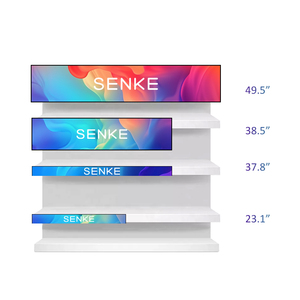
From pressure-sensitive dynamic game tiles to heavy-load staging backdrops and architectural display bars, review our factory-direct hardware engineered for commercial reliability.
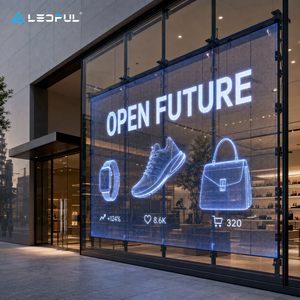
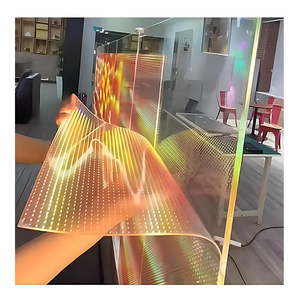
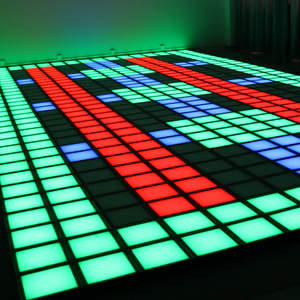
Specifying an industrial LED dance floor system requires balancing static mechanical loads, dynamic impact coefficients, anti-slip scratch resistance, and uninterrupted thermal exchange.
Factory-grade floors feature aerospace die-cast aluminum chassis combined with high-grade optical polycarbonate (PC) masks. This layered assembly prevents distortion under point loads up to 2,000 kg/m², resisting footwear scuffing, vehicle staging displays, and rigorous event traffic without color fringing or micro-cracking.
Cutting-edge interactive systems leverage a dual sensing matrix: integrated optical infrared transceiver grids embedded per tile combined with boundary LiDAR tracking. This enables multi-touch responsive tracking down to sub-10ms response times, triggering dynamic video interactive games like the viral 'Floor is Lava' experiential zones.
Horizontal ground installations are vulnerable to fluid spillage, cleaning machinery wash-downs, and humidity accumulation. Our China manufacturing line enforces hermetic two-component polyurethane conformal potting across PCB drivers, alongside automotive-grade IP68 waterproof cabling to eliminate ground-loop shorts.
| Technical Dimension | Standard Commercial Grade | Enterprise Heavy-Load Grade (Factory Standard) | Advantage / Procurement Benefit |
|---|---|---|---|
| Static Load Tolerance | 600 kg – 1,000 kg/m² | 2,000 kg – 2,500 kg/m² | Safe for automotive reveals, dense concert crowds, and moving staging equipment. |
| Interactive Response Time | 50ms – 100ms (Camera/Vision Only) | < 10ms (Capacitive & Embedded Optical IR) | Real-time responsiveness without lag, essential for competitive gaming environments. |
| Surface Coefficient of Friction | Smooth Acrylic (Slip Hazard) | Matte Micro-Textured Polycarbonate (>0.6 COF) | Eliminates slipping risks during energetic dance events or liquid spill scenarios. |
| Heat Dissipation System | Passive Enclosed Cavity | Convection Air Channels + Aluminum Heat Sinks | Extends diode operational half-life to 100,000 operating hours with minimal lumen decay. |
| Power Architecture | Unregulated Standard PSU | Intelligent Synchronous Power Management | Drastically reduces standby thermal output and idle electrical draw across large venues. |
Global AV integrators, sports arenas, and family entertainment center (FEC) operators are pivoting toward intelligent, highly immersive, and carbon-efficient floor canvases.
Glue-on-Board (GOB) and Chip-on-Board (COB) technologies are supplanting traditional SMD packaging. By sealing LEDs beneath micro-cured optical resin, the displays become impervious to physical heel shear stress and high-frequency friction.
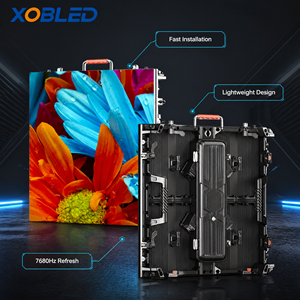
Production stages and XR virtual production suites demand floors that synchronize natively with curved wall volumes. Future procurement trends show high demand for P1.9 and P2.6 ultra-fine pitch floor panels with 7680Hz refresh rates to eliminate camera moiré.
Downtime in a premier nightclub or theme park equates to lost revenue. Modern procurement mandates top-accessible magnetic vacuum extraction tools, allowing modular tile exchanges in under 15 seconds without disassembling the adjacent structural deck.
Interactive entertainment centers represent the fastest-growing buyer segment. Standard ambient lighting has been superseded by algorithmic interactive engines running custom Unreal Engine scripts, converting dance floors into revenue-generating active gaming hubs.
Combining rigorous Western engineering governance with China's high-efficiency optical manufacturing ecosystem.
Our dedicated engineers remain on the factory floor throughout surface molding, SMT assembly, and final burn-in. Every square meter undergoes a 72-hour continuous thermal stress test, extreme point-load deflection testing, and rigorous immersion simulations prior to maritime container loading.
Whether your architectural project demands seamless edge-to-edge perimeter integration, circular interactive floor pods, ramped leveling systems, or synchronized vertical backdrop linkages, our engineering team supplies custom CAD/BIM layouts and structural sub-frames built to exact millimetric tolerances.
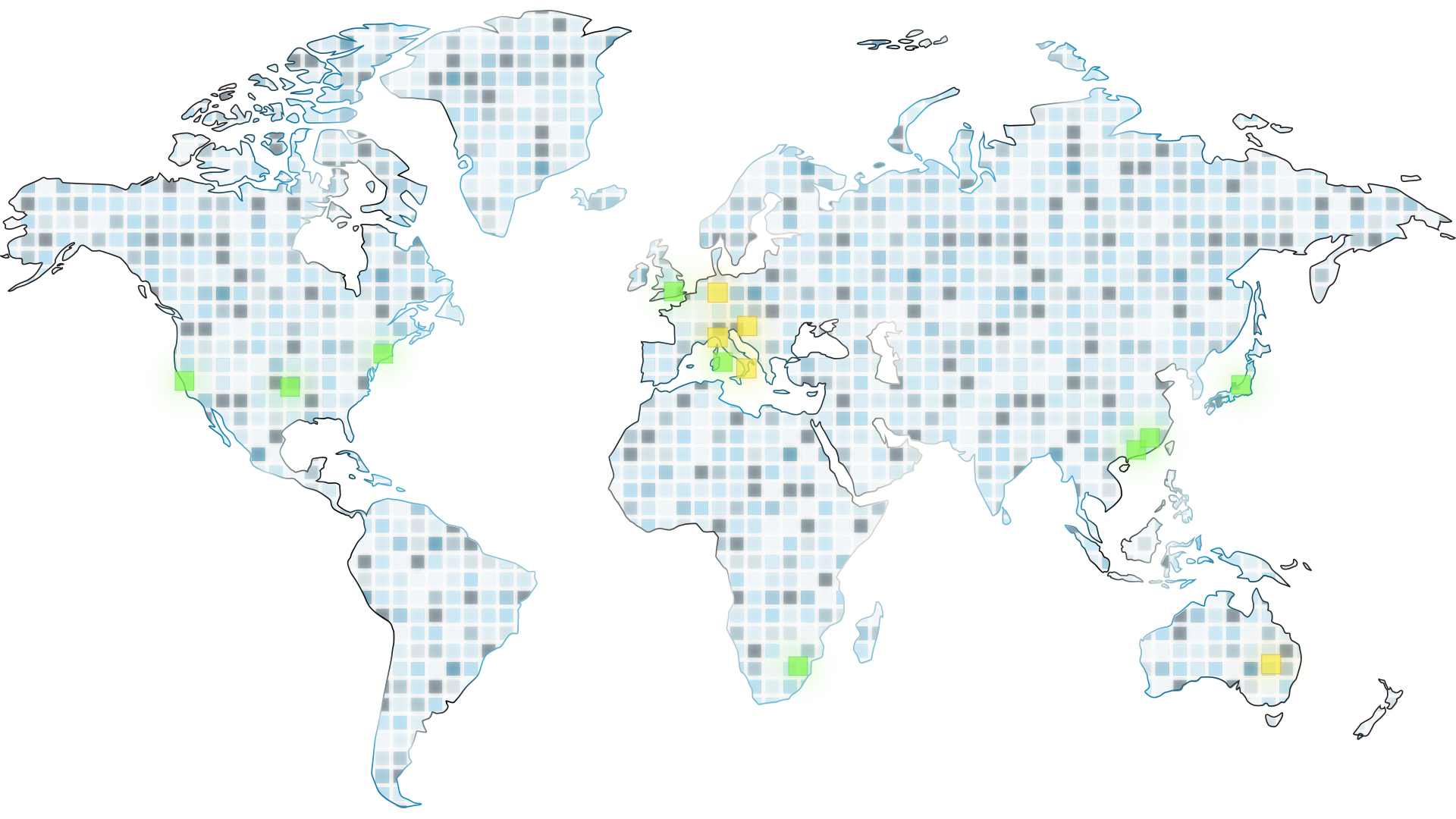
Backed by international service hubs and dedicated parts depots in North America and Europe, we provide rapid-turnaround component swaps, batch-matched diode binning for lifetime color consistency, and direct engineer-to-engineer technical assistance across all time zones.
Our streamlined supply chain eliminates multiple distributor markups, placing advanced LED video engineering directly into the hands of certified contractors, AV systems integrators, and venue operators worldwide.
Everything procurement directors, rental houses, and spatial designers must clarify before issuing an RFP or container shipment contract.
Ready to review comprehensive wiring schematics, photometric performance sheets, and wholesale container pricing?
Get Catalog