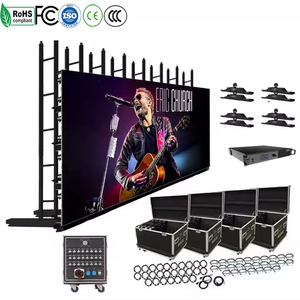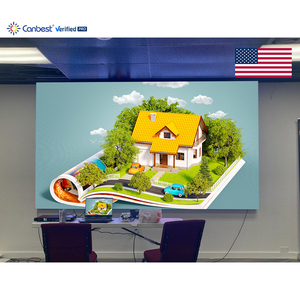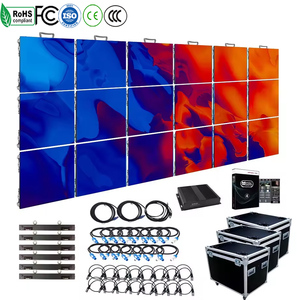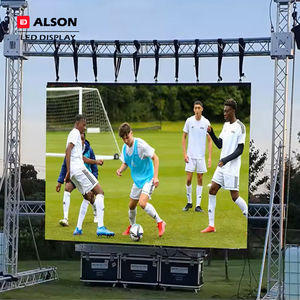
Explore heavy-duty, road-vibration-rated, and ultra-high-brightness digital display technologies engineered for outdoor trailers, broadcast trucks, stadium perimeters, and modular staging installations.
Deploying a digital billboard on a mobile chassis, trailer, or specialty broadcast vehicle exposes the electronic infrastructure to operational stressors that conventional fixed architectural displays are never engineered to endure. Mobile LED billboards operate in hostile environments characterized by multi-axis gravitational vibration, sudden dynamic shocks during transport, aggressive ambient heat soak, and unpredictable direct solar wash.
As a seasoned custom OEM mobile LED billboard factory and exporter, our engineering philosophy isolates display integrity at the molecular and structural levels. From die-cast magnesium and anti-torsion aluminum alloy enclosures to polyurethane conformal coating guarding against saline mist and road dirt, every sub-assembly is fortified for heavy transit cycles.
We integrate proprietary power management architectures, intelligent thermal displacement channeling, and ultra-high-refresh PWM driving ICs (up to 7680Hz), ensuring clean live camera feeds and crystal-clear high-definition readability under direct midday desert sunlight reaching up to 10,000 nits.
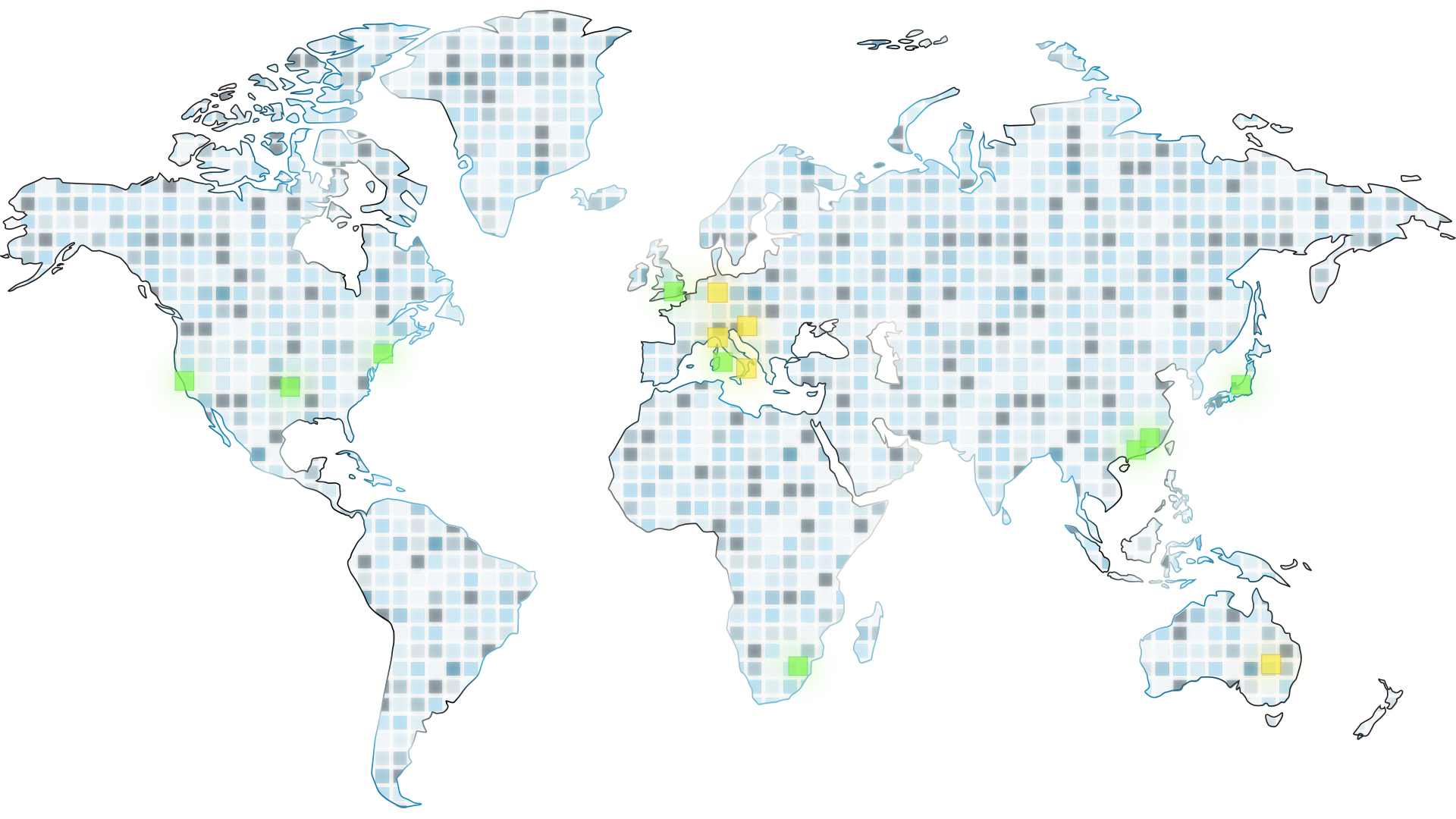
Decades of field-proven display deployments across North America, Europe, the Middle East, and Asia. We combine independent manufacturing rigor with proprietary intellectual property.
We select and audit top-tier fabrication pipelines specifically adapted to each project's mechanical tolerances, utilizing strictly digiLED intellectual property and grade-A components.
Our senior engineers remain permanently stationed on the factory production floor, conducting rigorous 72-hour continuous aging cycles and vibration FAT before export release.
Equipped with globally patented power optimization systems like digiLED ZEUS®, our mobile displays eliminate parasitic standby loads and lower overall generator fuel burn by up to 34%.
Full lifecycle operational continuity supported by localized spares holding, module-level micro-soldering, and technical field assistance from Las Vegas and UK tech depots.
Direct mechanical and electrical comparisons showing why purpose-engineered OEM mobile billboard panels outperform adapted commercial displays in vehicular transit.
| Critical Parameter | OEM Mobile Vehicular LED Panel | Standard Fixed DOOH Billboard | Operational Impact for Fleet Owners |
|---|---|---|---|
| Structural Chassis | Die-cast Magnesium / Aviation Aluminum (Anti-Twist) | Cold-rolled Iron Sheet / Heavy Steel Cabinet | Up to 45% weight reduction, lowering vehicular center of gravity. |
| Vibration & Shock Rating | MIL-STD-810G & IEC 60068-2-6 Dynamic Vibration Compliant | Basic Static Wind-load Testing Only | Prevents PCB trace micro-fractures and ribbon cable detachment on roads. |
| Luminance & Optical Control | 6,500 – 10,000 Nits + Auto-Dimming Light Sensor Loop | 4,500 – 6,000 Nits Static Set | Full direct sunlight punch; compliant with urban night driving codes. |
| Power Architecture | PFC >0.98, Wide Voltage Input (90V-264V AC / 24V-48V DC) | Fixed 220V or 110V AC Grid Input Only | Seamless integration with onboard diesel gensets or lithium batteries. |
| Sealing & Conformal Layer | Dual-Side Nano-Encapsulation, True IP66/IP67 Ingress Rating | Front IP65 / Rear Open Louvered Ventilation IP54 | Impervious to high-pressure vehicular wash downs, road salt, and storms. |
| Maintenance Ergonomics | Instant Dual Front/Rear Fast-Turn Lock Mechanics | Rear Cabinet Bolted Access Only | Single-technician field swap in under 45 seconds without mast teardown. |
Strategic technology insights for commercial fleet buyers, DOOH advertising conglomerates, and municipal public information networks preparing for next-generation vehicle fleets.
Global procurement teams are mandating Common Cathode driver architecture for mobile screens. By separating power distribution to Red (2.8V) and Green/Blue (3.8V) diode dies, thermal emission drops by 30-40%. This drastic thermal reduction eliminates internal cabinet air conditioners on mobile trucks, saving thousands in chassis weight and diesel generator consumption while multiplying diode operational longevity.
Modern mobile billboard procurement no longer evaluates display hardware in isolation. Turnkey contracts now demand unified telematics: real-time GPS coordinate reporting, automated programmatic ad playback synchronized to zip code demographics, automatic brightness adjustment against localized lux meters, and instant IoT diagnostic alerts reporting individual module faults back to central dispatch.
Urban environmental regulations across Europe and California are phasing out noisy idling diesel generators during stationary promotional activations. Fleet specifiers are securing OEM LED configurations engineered to run continuously on 48V DC automotive-grade Lithium Iron Phosphate (LiFePO4) battery packs, coupled with high-efficiency inverters and silent solar top trickle chargers.
The mobile LED display sector is experiencing rapid technological convergence. Leading this evolution is the mass adoption of GOB (Glue-On-Board) and Micro-COB encapsulation for outdoor pixel pitches ranging from P1.9 to P3.9. By embedding surface-mount diodes beneath an optically clear, high-hardness epoxy shield, mobile displays achieve unmatched impact resistance against tree branch strikes, airborne road gravel, and chemical car washes.
Concurrently, the demand for Naked-Eye 3D mobile video walls is altering mobile vehicle bodybuilder designs. Utilizing curved 90-degree seamless corner cabinets, mobile operators are deploying dynamic anamorphic creative campaigns that draw unprecedented viral engagement on city boulevards.
Finally, intelligent power systems like the patented digiLED ZEUS® ensure that when displays go into standby mode during highway transit, standby current is completely severed—mitigating unwanted battery drain and fire risk across unattended fleets.
Procuring custom mobile LED billboards from overseas manufacturers often exposes operators to quality risks: mismatched diode color bins, insufficient conformal sealing, and nonexistent warranty assistance. We mitigate every operational hazard through a strict international delivery structure.
Our core intellectual property, circuit schematics, and mechanical locking designs are developed with precision engineering standards. We maintain dedicated UK and Las Vegas Pixel Depots stocked with calibrated spare batch modules, receiving cards, and power supplies identical to the original manufacturing run.
Whether you require a turnkey hydraulic lift trailer screen, a double-sided box truck installation, or high-impact perimeter staging displays, our engineers support your technical team from structural FEA analysis to full on-site system integration.
Direct technical and commercial answers addressing structural integration, power generation, safety compliance, and international logistics.
We implement a comprehensive mechanical anti-vibration protocol. All internal connections use locking automotive-grade wire harnesses rather than friction-fit ribbon cables. Printed circuit boards are anchored to rigid die-cast frames using multi-point dampening standoffs, and modules are fortified with aerospace-grade elastomeric backing or GOB protective coating to withstand continuous multi-axis vehicular vibration.
For standard vehicle-side applications driving through city traffic, P3.91mm to P4.81mm is the international gold standard, providing crisp video resolution from 4 to 20 meters away. For larger roadside hydraulic scissor-lift trailers intended for long-range crowd viewing at festivals and sporting venues, P6mm or P8mm balances daylight brightness, power efficiency, and cost effectiveness.
Our OEM mobile systems are engineered for hybrid power flexibility. They operate via onboard super-silent Cummins or Kubota diesel/gasoline generator units, 24V/48V high-capacity lithium iron phosphate (LiFePO4) vehicle battery storage systems, or standard shore-power grid tie-ins (110V/220V/380V) with automated auto-switching transfer relays.
Yes. Our outdoor mobile display modules boast verified front and rear IP66 or IP67 ingress protection ratings. Silicone-gasketed module frames, hydrophobic breathable valve plugs, and vacuum conformal-coated electronics ensure zero moisture penetration from driving rain, snowstorms, or commercial high-pressure vehicular wash lanes.
Every commercial production run includes 3% to 5% spare modules calibrated to the identical optical binning batch (wavelength, luminous intensity, and voltage). Furthermore, calibration data is stored on individual module EEPROMs, allowing replacement modules to automatically sync and match hue and chroma without visible patching.
All exported OEM display assemblies are delivered with comprehensive certification dossiers including CE (EMC & LVD), FCC Part 15 Class A/B, RoHS, UL/ETL electrical safety conformance, along with factory vibration testing and Factory Acceptance Test (FAT) sign-off logs approved prior to ocean or air freight.
Consult directly with our display engineers. We provide CAD chassis layout recommendations, electrical load calculations, optical pitch simulations, and rapid factory OEM quotations tailored to your exact vehicular integration requirements.