
From mobile fleet totems to ultra-fine pitch staging arrays, discover our custom-built digital architectures engineered for high-vibration, high-ambient-light environments.

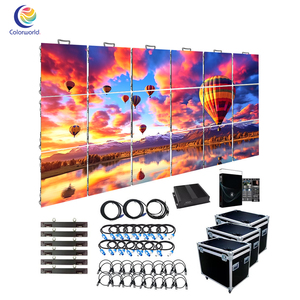
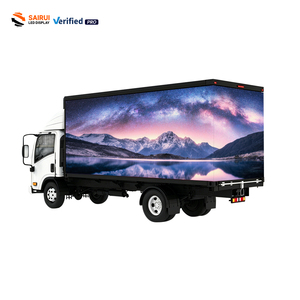
As urban mobility ecosystems evolve into real-time programmatic ad networks, the requirements for vehicular digital-out-of-home (DOOH) hardware have fundamentally shifted. Sourcing an OEM/ODM Taxi Top LED display demands rigorous structural consideration that traditional billboard or fixed retail signage manufacturing cannot satisfy. Operating atop commercial fleets—including taxis, ride-hailing sedans, and transit shuttles—subjects digital hardware to severe continuous vibration (ISO 16750-3 vibration profiles), broad ambient thermal oscillations (-30°C to +75°C), corrosive exhaust chemical particulates, and volatile DC battery voltage spikes.
A standard outdoor screen relies on clean, regulated AC grid infrastructure. Conversely, a vehicle roof-mounted digital display draws directly from 9V–32V DC alternator circuits prone to sudden alternator dump overvoltage, ignition load drops, and electromagnetic interference. Premium OEM taxi top displays integrate dedicated wide-input automotive-grade isolated power supplies. By utilizing dual DC-DC synchronous buck topologies alongside high-capacity capacitors, our units eliminate transient dips, protecting fine-pitch SMD diodes against micro-arcing and cold-soldering fractures caused by roadway shock.
Mobile DOOH relies on high pedestrian readability across shifting angles and daylight conditions. Taxi top enclosures require an optical performance baseline of ≥5,000 to 5,500 nits of calibrated luminance with dynamic light-sensor automated dimming. Standard outdoor LED displays often overdrive current to reach such intensities, escalating internal cabinet temperatures and precipitating lumen degradation. Our OEM manufacturing incorporates gold-wire-bonded Nationstar or Kinglight LEDs combined with custom driving ICs (MBI or ICN series), delivering high refresh rates (≥3,840Hz), wide 140°/140° viewing vectors, and 16-bit grayscale fidelity under harsh sunlight without overheating the roof-mounted assembly.
Fleet operators must manage fuel efficiency and electric vehicle range depreciation. High drag profiles and excessive rooftop weight can result in noticeable aerodynamic penalties and roof-mount strain. Modern ODM taxi top LED manufacturing utilizes die-cast aluminium or UV-stabilized polycarbonate chassis engineered with an aerodynamically streamlined teardrop teardown form factor. Weighing under 18–22 kg per double-sided unit, these units use passive convection cooling channels that draw vehicular air displacement across internal heatsinks, completely bypassing mechanical cooling fans that are otherwise prone to dust, water ingress, and mechanical failure.
How fleet procurement officers, municipal transit networks, and media concessionaires are redefining digital screen RFP criteria through 2026–2030.
B2B procurement is moving rapidly toward displays pre-integrated with 4G/5G smart controllers, RTK high-precision GPS, and edge compute microprocessors. Buyers prioritize screens capable of dynamic ad delivery based on geofencing, ambient weather, passenger demographic context, and real-time transit traffic metrics.
With municipal taxi fleets transitioning globally to Hybrid and Electric Vehicles (EVs), power conservation has become a strict commercial factor. Procurement contracts favor displays integrating intelligent management platforms, such as our zero-draw patented architecture, ensuring battery preservation during passenger stops.
Operators demand universal, damage-free vehicle mounting brackets tailored for diversified fleet models (Toyota Prius, Ford Crown Victoria, Tesla Model Y, Nissan NV200). Fast-swap module designs allow maintenance teams to replace single LED sub-panels in less than 3 minutes, minimizing off-road downtime.
The progression of mobile LED display technology is characterized by continuous mechanical integration and enhanced optical density. Historically, vehicle signs relied on coarse P5 or P6 pixel pitches protected by brittle acrylic covers. Contemporary market baselines have stabilized around fine-pitch P2.5 to P3.3 outdoor mobile matrices, offering higher information density capable of rendering crisp corporate branding, QR codes, and regulatory notifications.
Looking ahead, the shift toward Chip-on-Board (COB) and Glue-on-Board (GOB) encapsulation is fundamentally changing mobile display resilience. By coating delicate SMD diodes under a clear, impact-resistant epoxy resin layer, GOB panels deliver IP65/IP67 ingress ratings alongside high resistance to road debris, bird droppings, automated car washes, and pressure-washing equipment. Furthermore, the integration of dual-sided Synchronized Dynamic Viewing Angles allows media operators to deliver targeted, asymmetric messaging tailored to curbside pedestrians versus roadside multi-lane vehicular drivers.
Leveraging deep supply chain relationships, global Pixel Depots, and rigorous Factory Acceptance Testing to deliver reliable digital displays.
Rather than relying on rigid assembly facilities, we collaborate with carefully evaluated production hubs. We pick the ideal facility based on panel pitch, IP enclosure requirements, and scale, ensuring hardware is produced precisely to digiLED intellectual property and quality criteria.
Our qualified electronics engineers remain on the cleanroom floor throughout surface-mount technology (SMT) and assembly processes. Every mobile screen undergoes 72 hours of thermal stress, continuous vibration validation, and optical calibration prior to global dispatch.
With strategic Pixel Depots in Las Vegas, UK headquarters, and Asian support hubs, our customers receive responsive aftermarket engineering support, calibrated batch-matched spare parts, and comprehensive circuit-level warranty services worldwide.
We provide full-spectrum CAD mechanical mounting design, roof-rack bracket fabrications, and harness kits designed for direct integration with vehicle battery and ignition distribution boards without drilling or voiding vehicle manufacturer body warranties.
Every OEM taxi top unit engineered for export is certified to CE, FCC Class B, RoHS, and E-mark (ECE R10) automotive electromagnetic standards, mitigating any potential interference with onboard taxi meters, GPS dispatchers, or emergency radio frequencies.
Featuring proprietary smart power cutoffs derived from patented ZEUS® energy-saving principles, our displays intelligently monitor vehicle electrical loads, ensuring safe power-down sequences that eliminate battery drain when vehicle ignitions switch off.
Direct technical answers for commercial fleet managers, media network purchasers, and system integrators.
Consult directly with our display engineers for tailored pixel pitches, CAD mounting designs, thermal calculations, and factory-direct pricing for your market expansion.
Send an Inquiry