
Explore production-grade ultra-thin cabinets, perimeter systems, high-refresh rental panels, and interactive floor modules built for mission-critical visual installations worldwide.
Analyzing structural kinematics, thermodynamic boundaries, and micro-encapsulation methods governing the next generation of mission-critical LED video displays.
The global professional audiovisual landscape is experiencing an accelerated technological migration toward ultra-thin LED video wall architectures. Historically, LED video displays relied upon cumbersome steel cabinets with external air extraction ducts, resulting in chassis depths exceeding 120mm to 180mm and dead loads surmounting 45kg per square meter. In high-density urban environments, broadcast control rooms, flagship corporate headquarters, and high-tier athletic arenas, these legacy form factors created severe structural and operational liabilities.
Direct Engineering Implication: Modern OEM/ODM procurement standards necessitate chassis profiles under 35mm total depth, sub-millimeter chassis planarity tolerances (≤0.05mm), direct front-service magnetic extraction, and integrated natural convection thermodynamics without localized motorized fans.
Cabinet deflection under high thermal load has traditionally represented the principal cause of pixel pitch misalignment, seam visibility, and high-frequency scan distortions. Modern ultra-thin manufacturing employs high-pressure die-cast magnesium alloys that offer an exceptional strength-to-weight ratio (up to 35% lighter than die-cast aluminum and 75% lighter than sheet metal). This ensures rigid structural integrity across wide ambient temperature gradients (-30°C to +55°C). CNC post-machining of module contact planes guarantees an absolute chassis tolerance within ±0.03mm, eliminating the micro-seams that degrade HDR contrast performance and high-angle color fidelity.
The transition from legacy Surface Mount Devices (SMD 1010/1212) toward Glue-on-Board (GOB) and monolithic Chip-on-Board (Flip-Chip COB) is the cornerstone of ultra-thin fine-pitch performance. While traditional SMD packages utilize wire bonding to anchor the emitter die to the package substrate, Flip-Chip COB bonds the microscopic semiconductor directly to the multi-layer FR4/BT resin substrate. This technical paradigm shift delivers threefold advantages:
Optical grade polymeric encapsulation provides a surface hardness rated up to 4H to 6H, shielding delicate sub-millimeter pixels from mechanical impacts during maintenance or public interactivity.
Removing the intermediate wire bond and lead frame cuts junction-to-substrate thermal resistance by more than 40%, preventing color-shift and luminous decay along localized high-brightness hotspots.
The continuous resin coating diffuses the point-light source, minimizing moiré interference during in-camera broadcast production and ensuring 170° horizontal and vertical chromatic stability.
COB chemistry achieves IP54 front-surface protection against moisture, dust particles, corrosive ionic salt spray, and static ESD breakdown, radically lowering Mean Time Between Failures (MTBF).
Broadcast environments, XR stages, and high-frequency DOOH installations require display refresh rates capable of synchronizing with ultra-fast camera shutters without generating scan banding or black rolling bars. Utilizing dual-latch PWM driver ICs paired with distributed field-programmable gate arrays (FPGA), modern ultra-thin OEM architectures achieve refresh benchmarks of 3840Hz to 7680Hz with low grayscale linear compensation. This architecture maintains full 16-bit color depth even when total cabinet brightness is dimmed to 10%–20% in dark studio environments.
Strategic analysis for enterprise procurement teams, AV engineering consultants, and commercial system integrators navigating supply chain lifecycles.
The global procurement matrix for LED display panels is shifting from low-cost component acquisition to comprehensive lifecycle cost mitigation, strict regulatory compliance, and total energy efficiency. As corporate, municipal, and entertainment venues implement stringent Environmental, Social, and Governance (ESG) guidelines, procurement executives are prioritizing several vital structural factors:
Migrating from traditional Common Anode to Common Cathode power distribution supplies distinct, calibrated voltages directly to the Red (2.8V) and Green/Blue (3.8V) diodes, slashing total power dissipation and operational cabinet heat by 25% to 35%.
Procurement mandates now incorporate systems like the globally patented digiLED ZEUS® intelligent power management platform, which safely cuts power down to 0-Watts during non-operating hours, significantly extending driver lifespan.
Fixed planar rectangles are giving way to curved, faceted 90-degree 3D corners, and flexible ribbon cabinets (such as digiFLEX architecture) that wrap architectural pillars, wave ceilings, and concave immersive virtual production environments.
| Engineering Parameter | Generic OEM / White-Label | Advanced Ultra-Thin Tier-1 Foundry | Strategic Operational Benefit |
|---|---|---|---|
| Chassis Depth & Mass | 75mm – 120mm | >32kg/m² | <28mm – 38mm | <18kg/m² | Reduces secondary structural dead-load & shipping logistics costs by 45%. |
| Chassis Material | Standard Aluminum Extrusion | High-Pressure Die-Cast Magnesium | Zero cabinet thermal warping; ensures micro-tolerance seamless alignment. |
| Thermal Architecture | High-RPM Motor Fans (Noise >45dB) | Natural Heat Sink Convection (0dB) | Eliminates mechanical motor failure points; completely silent operation. |
| Serviceability | Rear Cabinet Screw Access | 100% Magnetic Front Extraction (<5s) | Enables direct drywall mounting without rear service access corridors. |
| Standby Power Control | Passive Standby (50–120W per m²) | digiLED ZEUS® Zero-Draw (0 Watts) | Saves thousands in annual electricity bills; accelerates ESG compliance. |
| Factory QA & Testing | Batch Sample Spot-Check | 100% In-Person FAT & 72hr Aging | Eliminates batch chromatic variance and DOA pixel failure out of the box. |
Procurement teams are also establishing contractual guarantees regarding single-bin LED chip supply. When purchasing large video displays, having the entire order engineered using diodes from a single Silicon Ingot bin guarantees absolute chromaticity coordinates (x, y ±0.002) and uniform brightness levels. This is supported by reserve batch storage in localized Pixel Depots (such as Las Vegas and the UK) to provide exact-match replacement modules up to 7 to 10 years down the line.
We do not merely market displays; our UK and US-led engineering teams design, oversee, calibrate, and support custom LED displays installed in the world's most demanding environments.
Rather than being locked into a single rigid production line, we partner with premier specialist manufacturing facilities, selecting the optimal factory for each specific project's parameters. Core product lines are built strictly to our proprietary intellectual property, using premium components like Gold-Wire LEDs, custom-tuned PCB topologies, and bespoke power distribution networks.
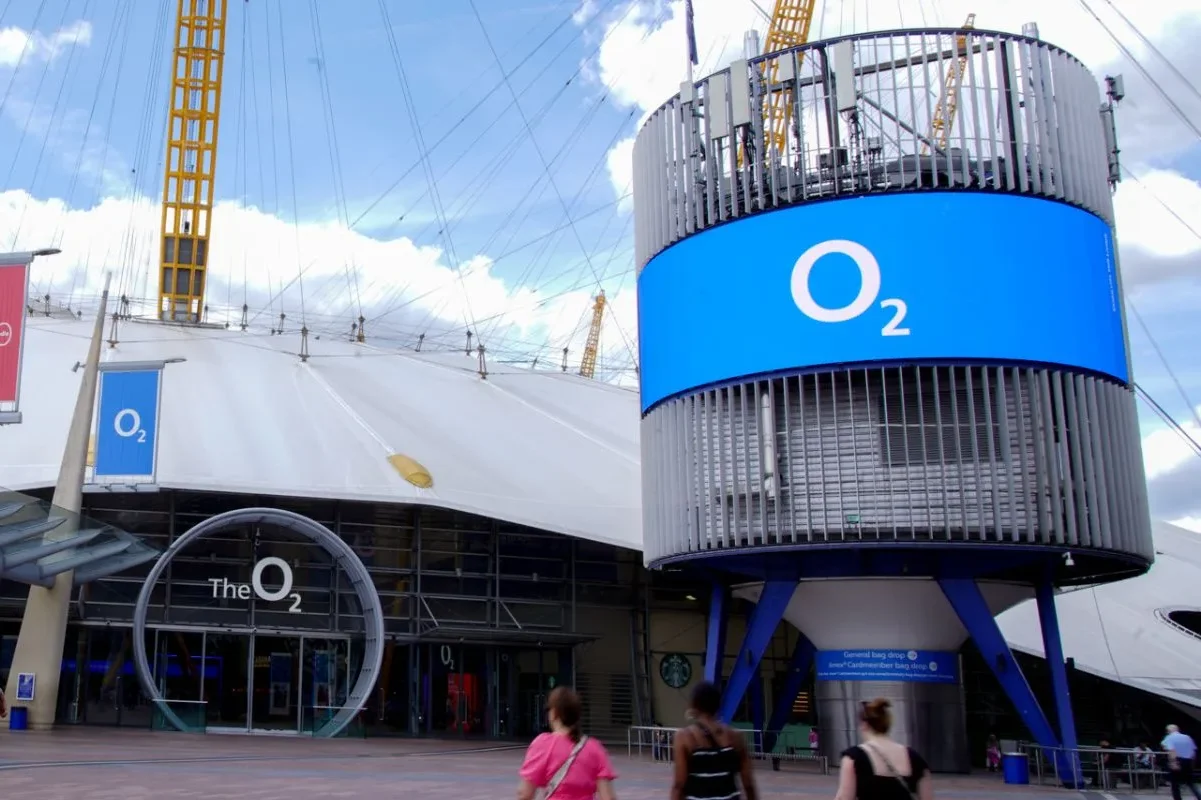
Our seasoned engineers are on the factory floor throughout production runs. Every single cabinet undergoes strict Factory Acceptance Testing (FAT), including 72-hour full-white thermal stress aging, vibration simulation, colorimetry validation, and optical flatness verification. If a display does not meet our uncompromising European and US standards, it does not leave the cleanroom.
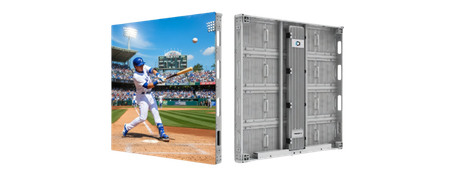
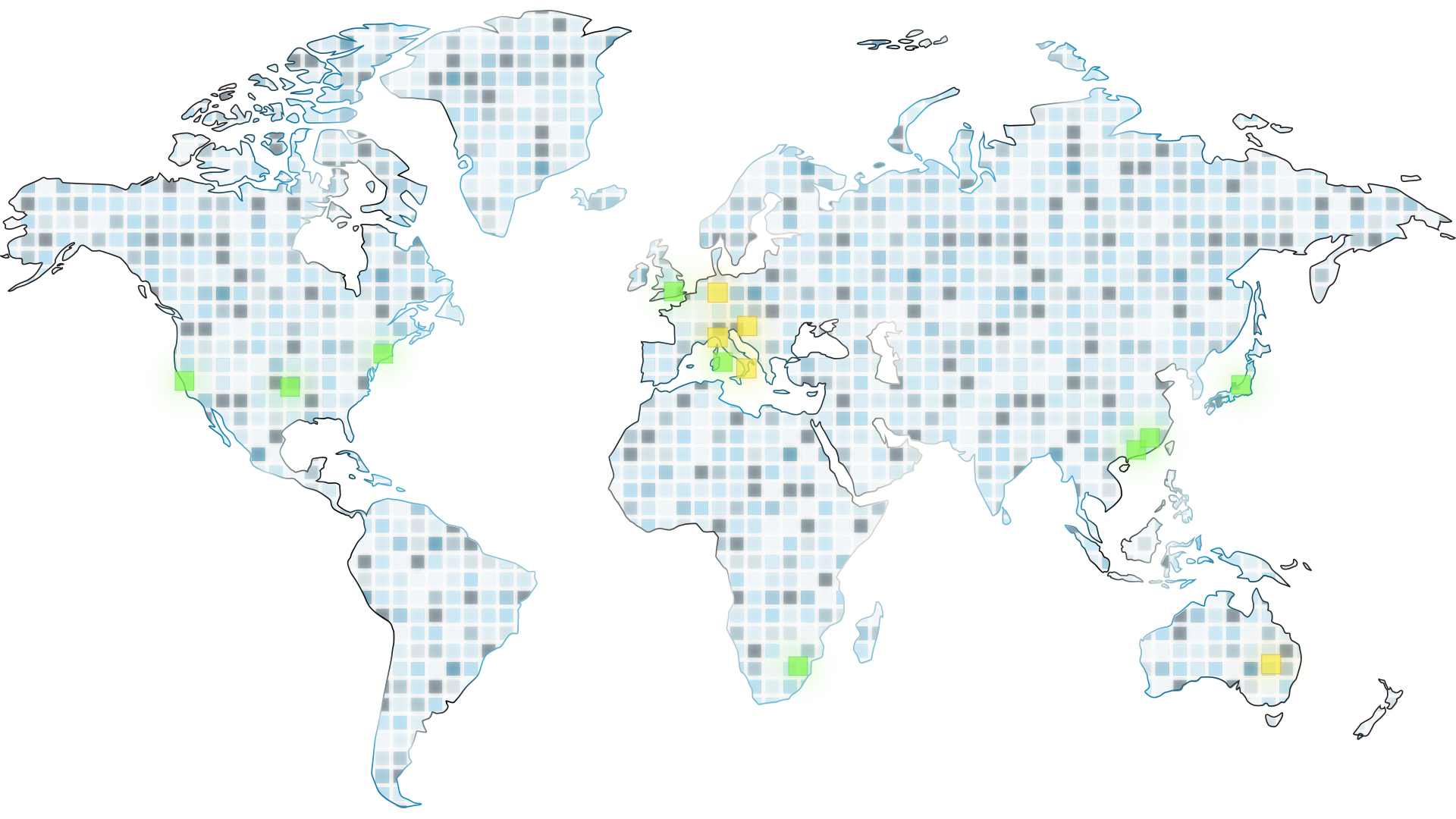
With dedicated Pixel Depots established in Las Vegas and the United Kingdom, we provide rapid-turnaround component-level repair, module re-calibration, and original-batch diode replenishment across the Americas, EMEA, and Asia. Furthermore, our flagship power innovation—digiLED ZEUS®—is officially awarded Made in Britain status, holding international patents for its ability to cut display idle power down to zero.
In-depth technical answers addressing optical calibration, mechanical mounting, power topologies, and lifecycle management for system designers and purchasers.
Whether you require bespoke architectural curves, high-refresh broadcast video walls, stadium perimeter banners, or custom COB micro-pitch enclosures, our technical teams in the UK, USA, and Asia provide complete specification, mechanical CAD analysis, and comprehensive Factory Acceptance Testing.
Contact Us