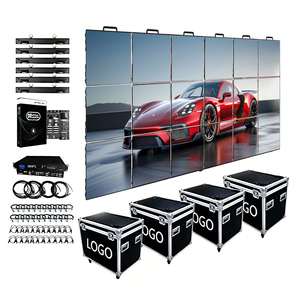
Explore field-tested LED screen hardware, including fine-pitch COB micro-tiles, ultra-transparent architectural glass displays, and high-refresh rental panels.
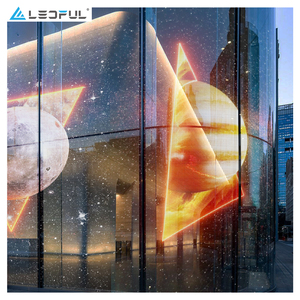
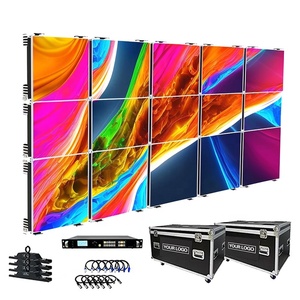
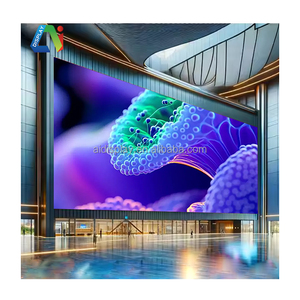
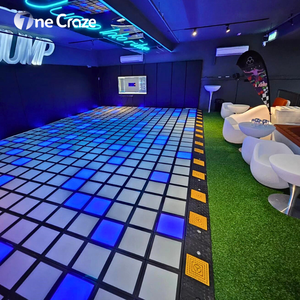
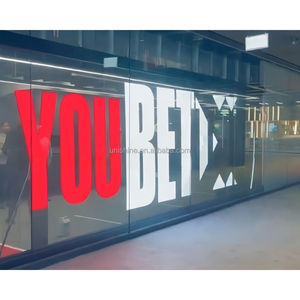
True high-reliability visual engineering departs radically from commoditized assembly. Navigating the commercial display landscape requires direct visibility into factory floor QA, structural mechanical integrity, and custom firmware pipelines. Rather than operating as a captive assembly facility restricted to proprietary tooling, the most successful global AV projects leverage an "Independent by Design" model.
By pairing rigorous intellectual property specifications with vetted high-precision contract manufacturing plants, technical teams isolate their clients from supply-chain bottlenecks and component obsolescence. Every LED diode, driver IC, and PCB layout is selected based on target photometric outputs rather than factory surplus. Dedicated technical engineers maintain continuous on-site presence during manufacturing runs, enforcing stringent Factory Acceptance Testing (FAT) protocols before any shipment leaves the cleanroom.
Executing mission-critical indoor 4K Micro-LED and large-scale outdoor DOOH networks demands precision across five distinct project phases: Design (calculating exact optical viewing distances, horizontal and vertical off-axis angles, and thermal dissipation metrics), Engineer (finite element stress analysis for curved and high-wind structures), Build (micro-soldering tolerances and calibrated optical binning), Install (pre-aligned sub-frame locking assemblies and structured interconnect distribution), and Support (regional component-level depot repair that protects client investments across multi-decade lifecycles).
Unconstrained by single-factory tooling limitations. We engineer bespoke display hardware using elite component selections, matching each unique architectural project to the world's most qualified cleanrooms.
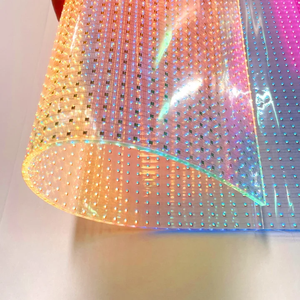
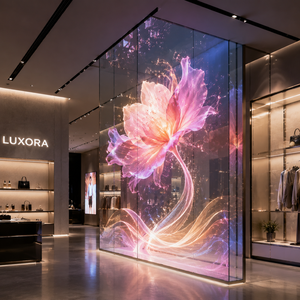
From mathematically seamless compound curvatures to ultra-transparent facade glass displays and acoustically transparent audio arrays, we turn complex structural challenges into certified installations.
Senior field engineers supervise assembly directly on factory production floors. Every batch undergoes mandatory multi-stage Factory Acceptance Testing (FAT) to verify binning and thermal tolerances prior to release.
A technical benchmark assessing industrial manufacturing capacities, HDR driver architectures, sub-pixel packaging, and global deployment models.
| Manufacturer / Ecosystem | Primary HDR Architecture | Specialized Packaging | Global Quality Model | Target Strategic Sectors |
|---|---|---|---|---|
| digiLED (The LED Experts) | HDR10 / HLG / ZEUS® Zero-Power Standby | Micro-COB, Flip-Chip, Flexible Film | Independent IP / In-Person Factory Floor FAT | Stadiums, Arenas, Broadcast, Flagship Retail |
| Unilumin Group | HDR10+ / 16-bit PWM Processing | Mini LED, COB (MIP Technology) | Automated High-Volume Assembly Line | Control Rooms, DOOH, XR Stages |
| Leyard / Planar | 16-bit Bit-Depth / DCI-P3 Native | Micro LED / COB Surface Treat | Regional Integration / High-Cap Plants | Command Centers, Virtual Production, High-End Boardrooms |
| Absen Optoelectronic | HDR Opti-Black Calibration | IMD 4-in-1, Fine-Pitch SMD | Mass Export Automation Standards | Commercial Retail, Touring Rentals, Corporate AV |
| Samsung Electronics (The Wall) | Micro HDR / AI Micro-Processor | Proprietary MicroLED Black Seal Tech | Proprietary Closed Supply Chain | Ultra-Luxury Residential, Executive Briefing Rooms |
| Sony (Crystal LED) | Super Bit Mapping HDR Pipeline | Ultrafine RGB Micro-Device Matrix | Internal Cleanroom High-Spec Fab | Automotive Design Studios, High-Tier Cinema Review |
| Barco | Infinipix® High Dynamic Range Processing | Precision SMD & COB Hybrid | European Precision Engineering Labs | Air Traffic Control, Medical Imaging, Live Event Touring |
| Infiled | DCI-P3 Color Mapping / 12-bit Input | ArmorLED, CBSF Deep Black Surfaces | Scalable Tier-1 Shenzhen Contract Fab | Virtual Production Volumes, Architectural Facades |
| AOTO Electronics | Real 8K 144Hz HDR Engine | Mini LED 4-in-1, Fine COB Array | Specialized Aerospace-Grade QC | Airport Terminals, Broadcast Studios, Esports Arenas |
| Gloshine Technology | Dynamic Contrast HDR Processing | Fast-Rigging SMD & Ruggedized IMD | High-Turnover Rental Frame Fabrication | Concert Touring, Outdoor Festivals, Dynamic Event Stages |
Key technical shifts systems integrators and commercial buyers must factor into long-term visual equipment specifications.
Rising commercial energy costs make conventional standby draw unacceptable. Technologies like the patented digiLED ZEUS® enable massive screens to safely shut off phantom draw, aligning AV infrastructure with strict corporate ESG standards.
Surface-Mount Diodes (SMD) are systematically giving way to Chip-on-Board (COB) and Micro-LED architectures for pitches below P1.5. Eliminating bonding wires dramatically increases impact resistance while improving contrast ratios and heat dissipation.
Energy-conscious procurement documents now regularly mandate common-cathode driver ICs. Supplying tailored operational voltages to Red, Green, and Blue sub-pixels reduces operational panel thermals by up to 35% compared to legacy common-anode systems.
Direct technical guidance covering hardware integration, video processing pipelines, and installation reliability.
True HDR (High Dynamic Range) display engineering requires a holistic hardware pipeline capable of maintaining at least 1,000 to 1,500 nits of peak luminance in indoor setups (or 6,000+ nits outdoors) alongside dynamic contrast ratios surpassing 10,000:1. The system must support true 16-bit PWM grayscale per channel without sub-pixel dithering at low light levels, coupled with native Rec.2020 or DCI-P3 color gamut mapping via premium video processors like NovaStar, Brompton, or Megapixel VR. "HDR-compatible" units typically accept an HDR input signal but down-sample it to standard SDR color gamuts and 8-bit color depths, causing noticeable banding in shadows.
Mass-market packaging lines often yield subtle variations in diode luminous intensity and dominant wavelength across production batches. Without certified engineers physically present on the manufacturing cleanroom floor to supervise optical binning and calibration, multi-cabinet video walls can arrive on site with visible seams, module color drift, and mismatched grayscale steps. Rigorous FAT sign-offs ensure the entire screen is fully assembled and test-pattern calibrated as a coherent unit before sea or air freight dispatch.
Even when displaying pure black content or in software standby mode, standard switch-mode power supplies inside LED cabinets maintain quiescent idle currents. Over thousands of square meters of outdoor stadium ribbon or indoor 4K video walls, idle power consumption can draw megawatts of unneeded power yearly. Implementing an intelligent management system like digiLED ZEUS® physically powers down the internal hardware when idle, delivering absolute zero power draw and prolonging the operational lifespan of sensitive switching components.
SMD packages rely on external leads soldered directly to the surface of the PCB, creating a localized thermal boundary that traps heat inside the diode junction. Chip-on-Board (COB) bonds the raw flip-chip silicon directly to the circuit substrate, sealed under protective optical epoxy resin. This enables heat to route efficiently away through the rear aluminum chassis. As a result, COB operates at significantly lower surface temperatures, eliminating the risk of individual pixel pin-drop from accidental impacts and physical touch.
Connect directly with our senior display engineers for precision viewing-distance modeling, thermal load calculations, and tailored procurement specifications.
Inquire Now