Industry Foresight Future Procurement & Development Trends in Interactive LED Display Systems
The global market for Digital LED interactive kiosks is evolving rapidly under the influence of AI-driven customer intelligence, eco-design regulations, and breakthroughs in semiconductor packaging. Procurement directors and AV specifiers must consider four key technological trends when drafting 5-to-10-year digital signage master plans:
1. Transition to Chip-on-Board (COB) & MicroLED Surface Encapsulation
Traditional Surface-Mounted Device (SMD) LEDs feature exposed micro-wire bonds vulnerable to mechanical impacts, moisture ingress, and static discharge when touched by millions of users annually. The industry is rapidly migrating to COB packaging, where flip-chip MicroLED dies are bonded directly to the PCB substrate and encapsulated under an optically clear epoxy resin.
For interactive kiosks, COB technology delivers three critical advantages:
- Extreme Tactile Durability: The smooth, seamless surface layer resists finger scratches, liquids, dust, and aggressive cleaning solvents used in public facilities.
- Superior Thermal Dissipation: Direct substrate bonding dramatically lowers operational temperatures across the screen face, eliminating tactile heat discomfort during extended user touch sessions.
- Wide Viewing Angles: Optical resin encapsulation expands light diffusion to near-180° horizontal and vertical viewing angles with zero color-shifting.
2. Sustainable Power Systems & ESG Compliance Mandates
With corporate environmental sustainability standards (such as ESG criteria and EU Energy Labeling rules) placing strict limits on commercial digital displays, energy management is now a primary purchasing factor. Standard interactive kiosks draw continuous standby power to keep media players, touch frames, and power supply units active overnight.
Innovations such as digiLED ZEUS®—a Made in Britain, globally patented intelligent power management system—enable complete zero-power shutdown during non-operational hours. By safely isolating high-voltage power lines while keeping control sub-systems dormant, operators reduce annual energy expenditure by up to 35% and dramatically extend component life.
3. Edge AI, Computer Vision, & Haptic Sensor Integration
Future-ready interactive kiosks are shifting from simple touch screens to intelligent multi-sensory terminals. Integrating high-refresh-rate LED panels (3840Hz to 7680Hz) with optical camera sensors, millimeter-wave radar, and AI edge processors allows kiosks to perform real-time audience analytics, gesture control, facial recognition, and personalized content delivery without tactile touch—vital for hygienic public spaces.
4. Modular "Pixel Depot" Maintenance Models
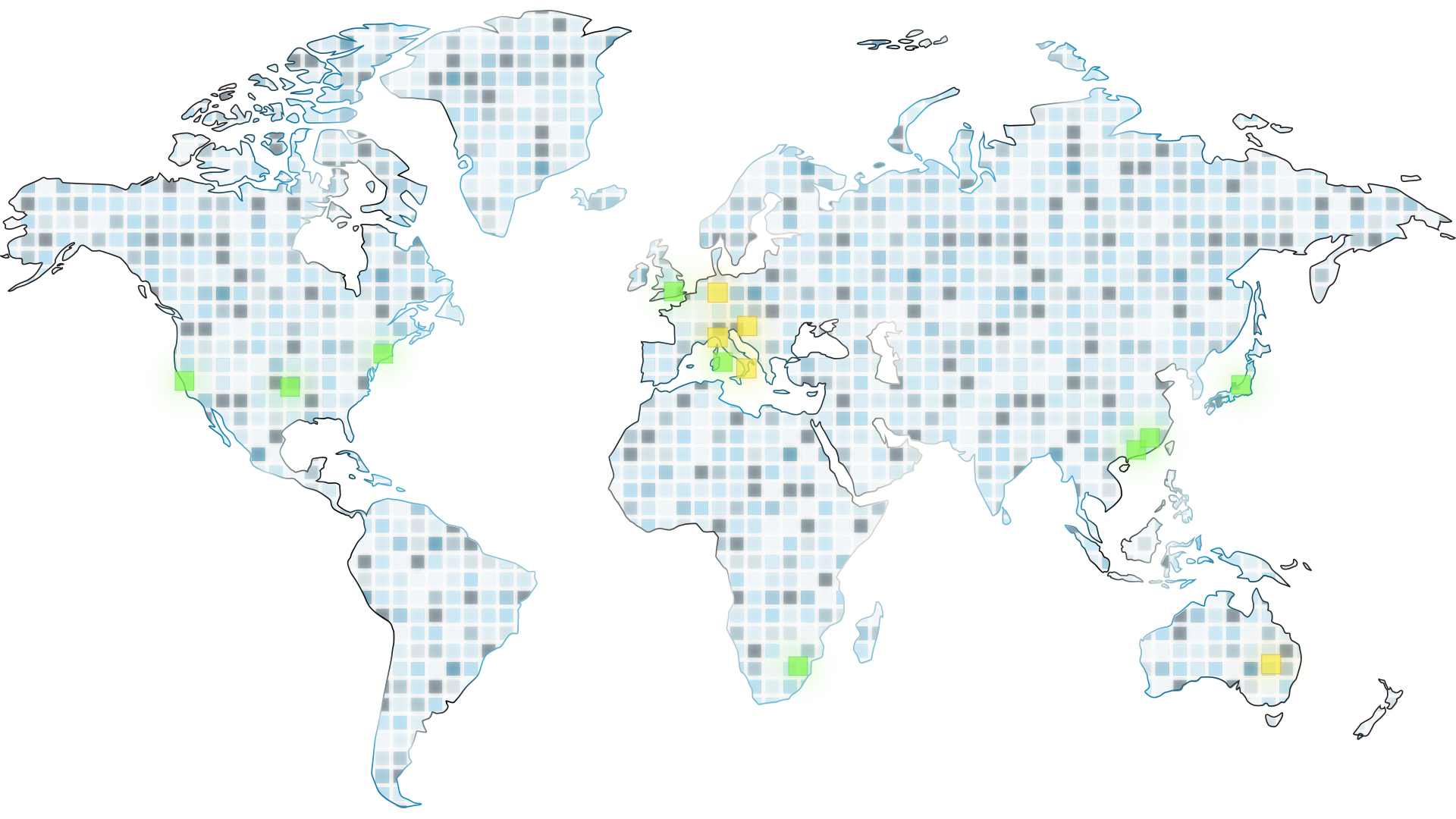
Enterprise buyers are moving away from traditional single-unit replacement models in favor of modular architecture supported by regional technical service centers. Kiosk downtime in revenue-generating environments like transit terminals or luxury shopping malls causes immediate financial loss. Modern procurement contracts require fast spare-parts availability and module-level recalibration through dedicated global service facilities, such as digiLED’s UK and Las Vegas Pixel Depots.