Trend 01 · Shift to MicroLED & Flip-Chip COB
Flip-Chip Chip-on-Board Replacing Traditional SMD
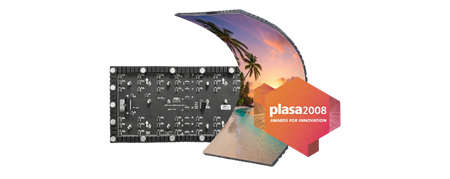
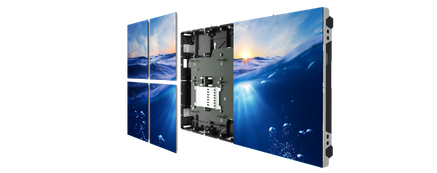
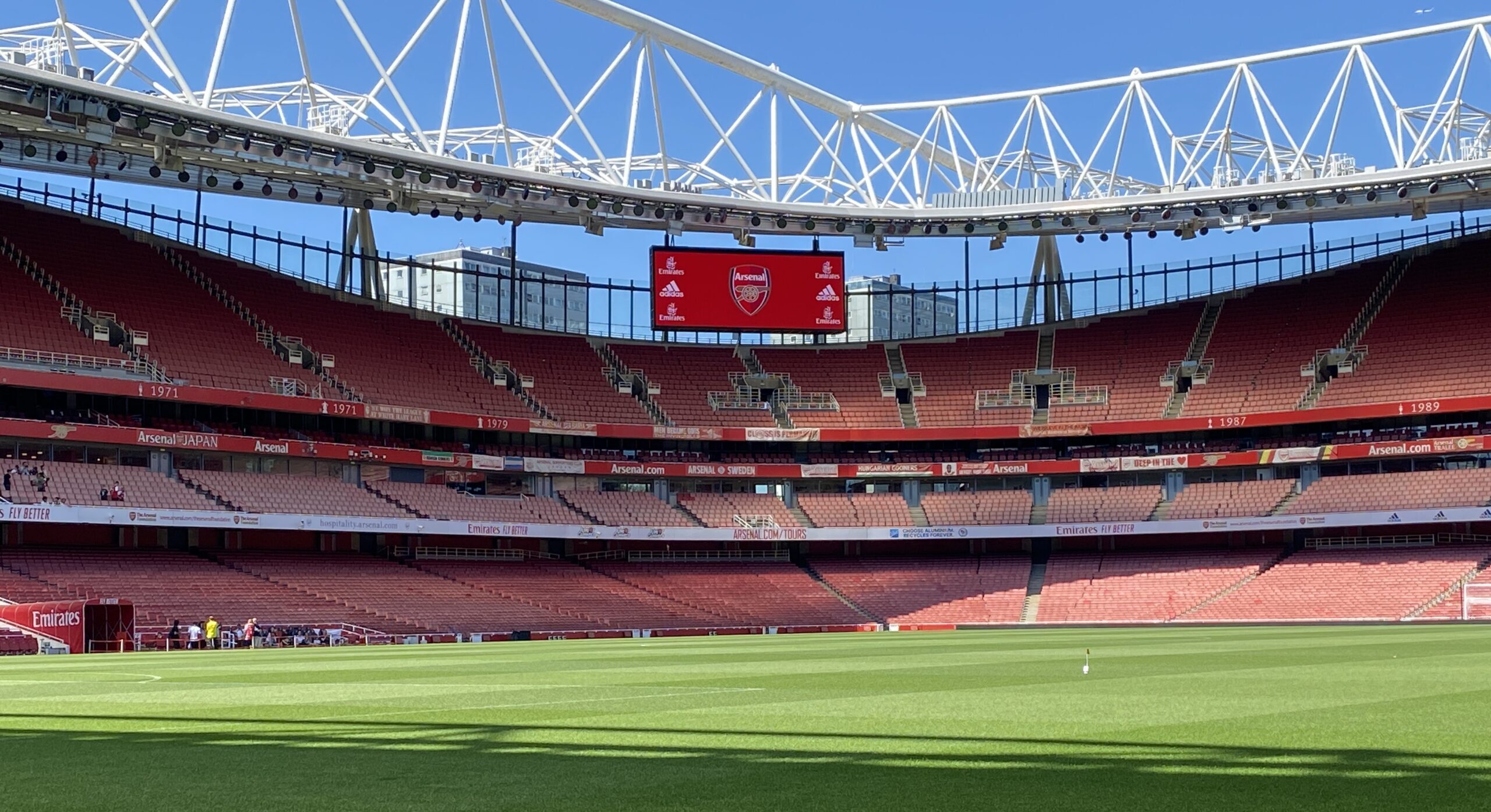
Traditional Surface Mount Devices (SMD) rely on fragile wire bonds that fail under the intense acoustic bass vibrations common at major concert events. Procurement guidelines for arena fascia and bowl screens are shifting toward flip-chip COB (Chip-on-Board) and MIP (Micro-in-Package) technologies.
By embedding micro-scale chips directly onto the substrate and sealing them beneath an optical grade polymer, COB displays eliminate wire bonding points entirely. This yields a 90% drop in cold-solder pixel failures, grants IP65 surface protection against airborne concert fog fluids, and dramatically cuts lifetime maintenance calls.
Trend 02 · Dynamic ESG & Power Quotas
Stringent Standby Power Regulations & Heat Load Caps
Modern arenas face strict municipal net-zero mandates. Giant center-hung cubes and ribbons drawing 80kW to 250kW in peak mode generate significant phantom draw in standby when no show is live. Traditional contactor switches can produce damaging inrush currents that trip sensitive electrical infrastructure.
Future RFPs increasingly specify intelligent staged zero-standby energy managers, such as digiLED ZEUS®, which gracefully eliminate parasitic power draw. Reducing latent heat generation also decreases arena HVAC chiller workloads, saving operators tens of thousands in utility expenses each season.
Trend 03 · SMPTE ST 2110 & IP Infrastructure
Transition from HDMI/DVI Matrices to Native IP Video
Legacy video infrastructure reliant on copper point-to-point DVI/HDMI cables has reached its bandwidth and distance threshold across cavernous arena bowls. Modern installations demand uncompressed video-over-IP architectures adhering to SMPTE ST 2110 standards.
Native IP processing transmits sub-frame-latency 8K uncompressed streams directly from central broadcast control trucks to distributed screen controllers over 100GbE fiber backbones. This architecture enables dynamic canvas remapping, transforming arena screens into extended reality (XR) backdrops at the press of a preset.
Trend 04 · Kinetic & Modular Architectural Formats
Transformative Robotic Display Mechanics
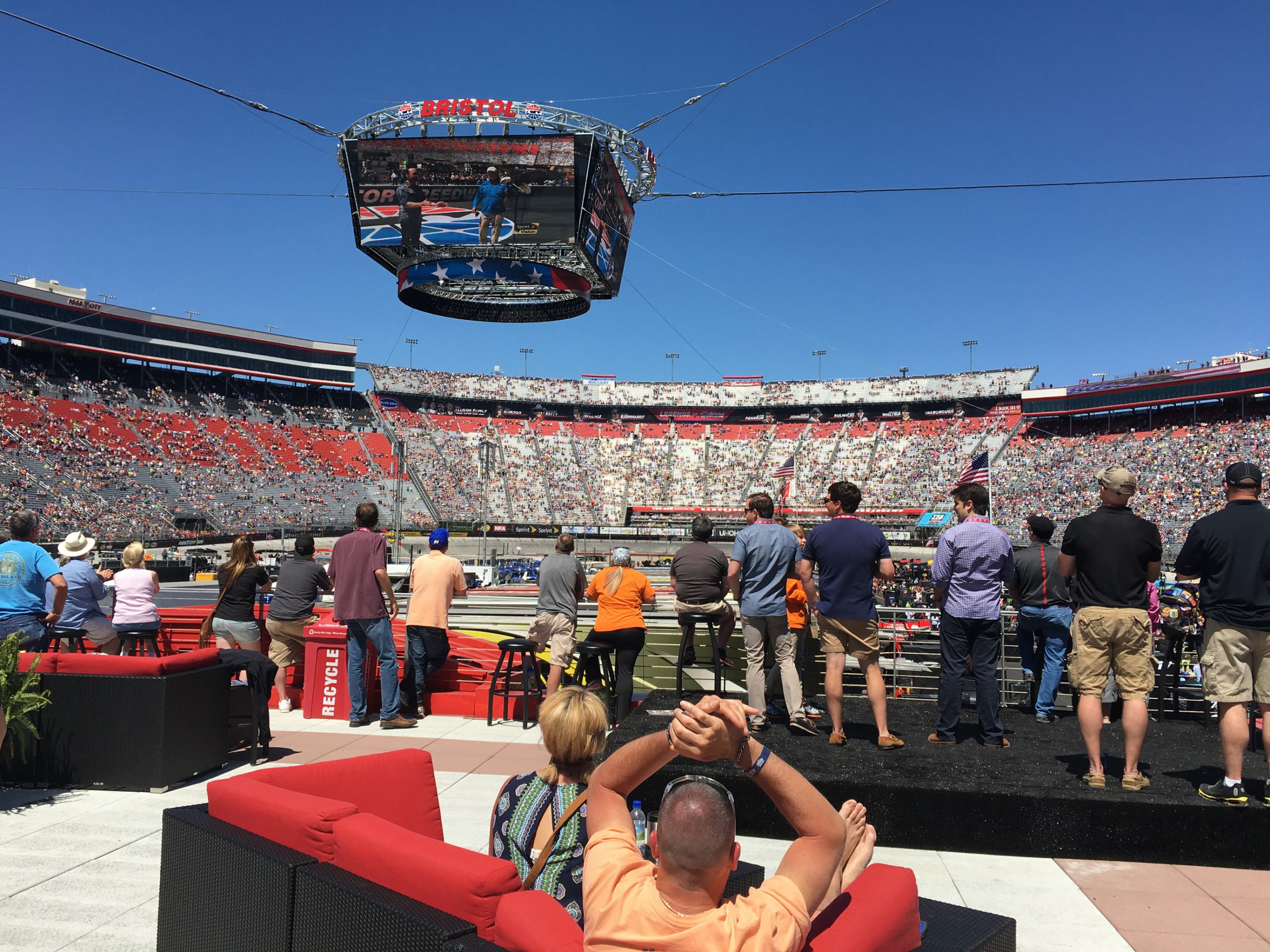
Static scoreboards are giving way to kinetic, articulated LED displays. Using computer-controlled motorized hoists, center-hung displays can split into concentric rings, rotate along multi-axis tracks, and lower to stage level to serve as custom performance sceneries.
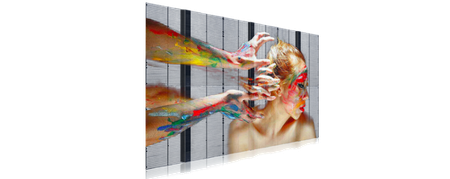
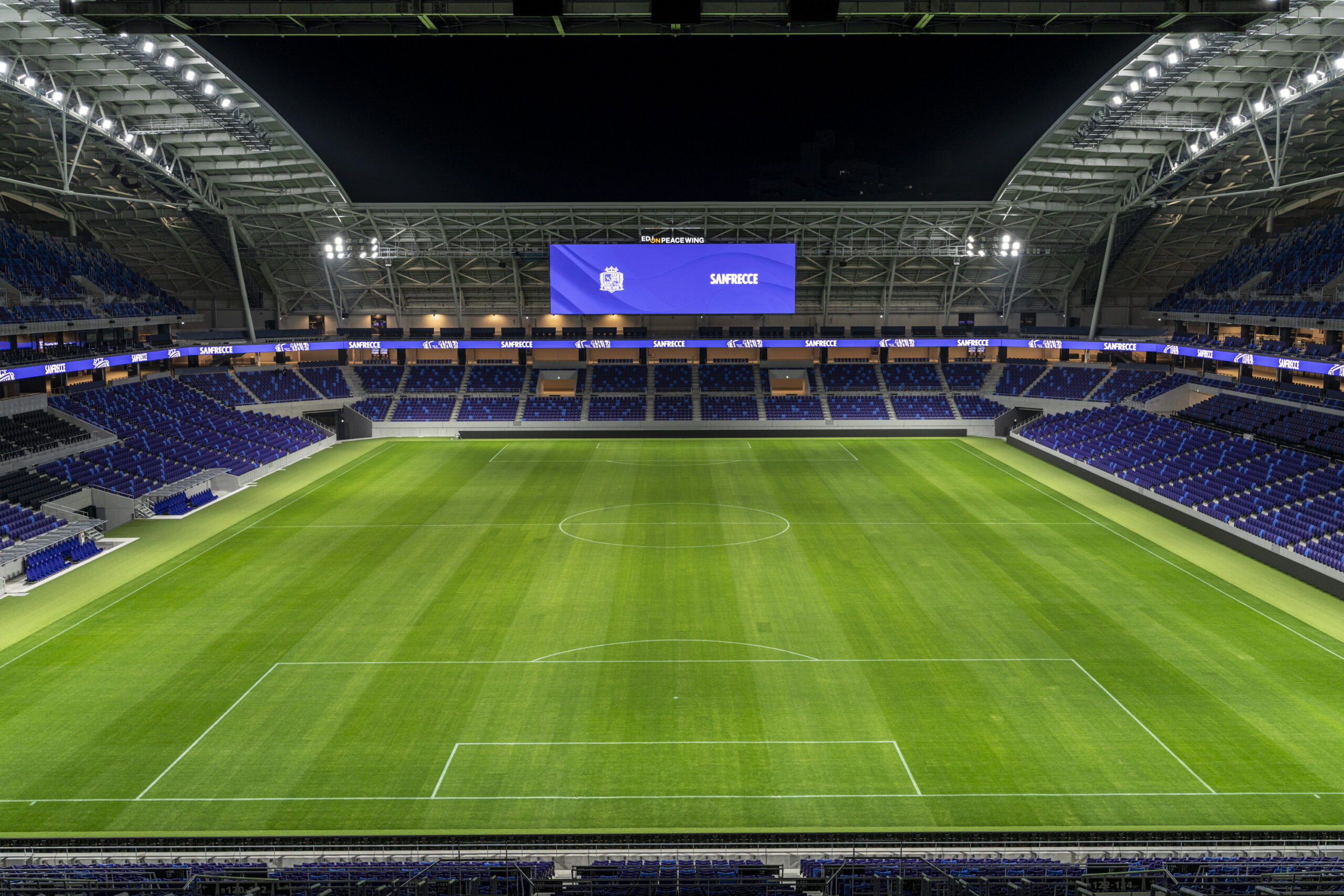
Procurement teams now evaluate modular LED panels designed for dual-role duty: serving as permanent bowl ribbon displays during sports seasons, yet capable of rapid partial demounting to support temporary concert tour configurations.