Direct wholesale inventory engineered with die-cast magnesium-aluminum housings, magnetic front-service accessibility, and ultra-high refresh ICs engineered to excel under Brazil's stringent electrical and environmental parameters.
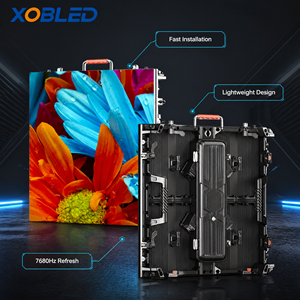
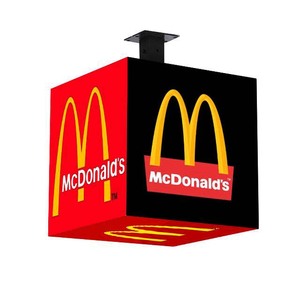
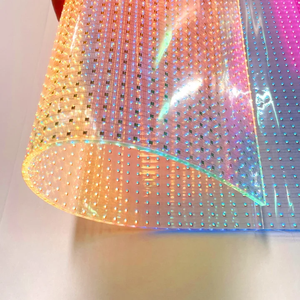
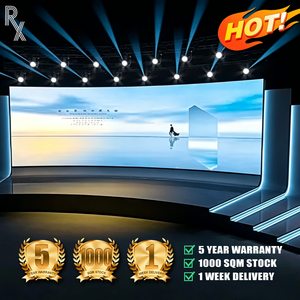
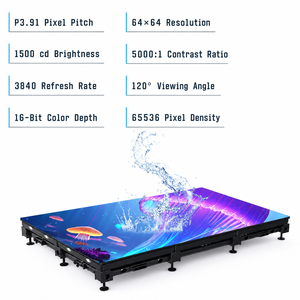
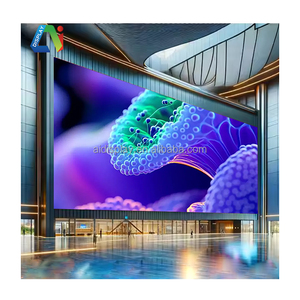
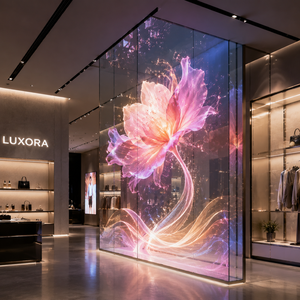
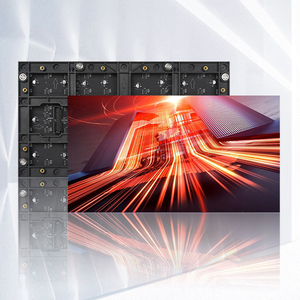
Combining UK IP design philosophy with China's rapid manufacturing ecosystem to deliver ultra-slim, thermally resilient displays built directly to project blueprints.
Every batch designated for Brazilian delivery undergoes exhaustive 48-hour continuous burn-in and optical spectrometry calibrations. Our dedicated quality inspectors verify thermal maps, chromatic uniformity across panels, and solder joint integrity under stress before sea or air dispatch.
Integrating intellectual property like the globally patented intelligent power architecture, our systems automatically shut down unused internal power supplies. This provides an effective Zero-Watt Standby profile, crucially lowering total operating expenses amid Brazil’s escalating commercial tariff brackets.
Unrestricted by legacy production line boundaries, we source tier-1 Nationstar Gold Wire packaging, Macroblock MBI drivers, and Mean Well or custom energy-efficient power supplies. This independent flexibility ensures maximum lifecycle endurance for South American tropical deployments.
Deploying digital screens across Brazil requires overcoming extreme equatorial humidity, high salinity in coastal regions, and specific architectural norms.
From luxury flagships on Rua Oscar Freire in São Paulo to seaside retail complexes in Rio de Janeiro and humid transit hubs in Salvador, standard displays face premature degradation without specialized treatments. Our ultra-thin solutions address these realities through specialized manufacturing safeguards:
| Region / Metro | Target Vertical | Environmental Challenge | China Factory Engineering Fix |
|---|---|---|---|
| São Paulo (Avenida Paulista, Faria Lima) | Corporate Executive Boardrooms & FinTech Atriums | Limited wall load-bearing capacity; stringent interior HVAC acoustic limits. | Ultra-thin magnetic cabinets (<32mm depth) with fanless passive thermodynamic cooling dissipation under 15dB. |
| Rio de Janeiro & Santos | Beachfront DOOH & Glass-Front Retail | High maritime salinity (marine airborne salt spray) causing accelerated copper trace oxidation. | Double-pass automotive-grade polyurethane conformal coating (PCB dip coating) + Gold-alloy wire bond LEDs. |
| Curitiba & Southern Hubs | Architectural Shopping Malls & Event Centers | Severe diurnal temperature fluctuations inducing structural expansion stress. | Die-cast CNC magnesium frames featuring dynamic thermal expansion joints to eliminate warping and seam misalignments. |
| Brasília & Central Plateau | Government Command Centers & Utilities | Low seasonal humidity paired with high static charge accumulation; 24/7 mission-critical uptime. | COB (Chip-on-Board) surface sealing rated at ESD 8000V contact protection with redundant signal/power dual-loop backup. |
Space in premium shopping hubs like Shopping Iguatemi or Morumbi is at a premium. Our ultra-thin P2.5 Magic Cubes and adhesive crystal film glass arrays attach directly to existing structural glazing without bulky subframes, keeping walkways compliant with municipal safety codes while delivering up to 5,000 nits daylight visibility.
Modern sports venues require high-fidelity perimeter ribbons and central-hung displays capable of flicker-free transmission under high-speed cameras. Using driver ICs supporting 7680Hz refresh and HDR10+ calibration, our panels eradicate scanlines during live broadcasts on channels like TV Globo and SporTV.
Brazilian agribusiness in Mato Grosso and banking head offices in São Paulo rely on our P1.2 to P1.5 COB fine-pitch video walls. With a surface hardness of 4H, the face is dust-proof, wipeable, and impact-resistant, ensuring zero pixel-loss during daily boardroom briefings or surveillance operations.
A strategic analysis for AV directors, hardware importers, and commercial operators scaling visual assets in Latin America’s largest economy.
Traditional Surface Mounted Diodes (SMD) are increasingly exposed to pixel failure due to physical bumps during maintenance and tropical moisture infiltration. The Brazilian integration sector is transitioning rapidly to Flip-Chip Chip-on-Board (COB) technology. With no wire bonds and complete epoxy encapsulation, COB reduces installation-related field failure rates by more than 85%.
With Brazilian commercial electricity tariffs subjected to variable “Bandeiras Tarifárias” (hydrological tariff flags), operational costs can escalate quickly. Next-generation installations now favor Common-Cathode architectural designs that drive Red, Green, and Blue dies with independent, optimized voltages, decreasing thermal dissipation by 35% and saving kilowatt-hours around the clock.
Brazil’s landmark Lei Cidade Limpa (Clean City Law) in São Paulo altered exterior outdoor signage parameters, pushing DOOH innovation toward internal glazing installations. Ultra-thin adhesive transparent film LED panels with optical clarity upward of 80% convert interior shopfront windows into high-definition digital canvases without running afoul of public billboard restrictions.
Technical guidance covering customs clearance, voltage stability, certification compliances, and post-sales hardware support.
Whether you require custom curved transparent film for a shopping mall atrium or a mission-critical 4K COB fine-pitch control room screen, our direct engineering team is ready to analyze your DWG schematics, power budgets, and optical viewing distances.