Deploying digital displays across Aichi Prefecture demands synchronized power topologies. Explore our high-efficiency display lines, designed for integration with intelligent power distribution units, active telemetry, and surge-mitigated substations.

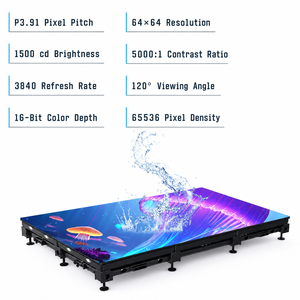
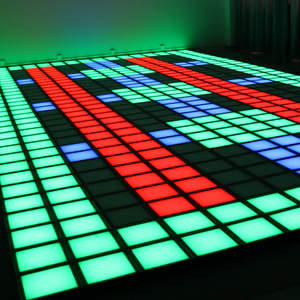
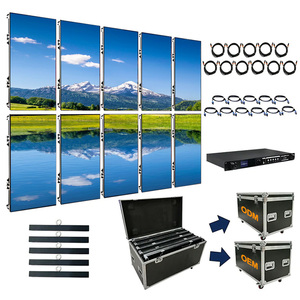
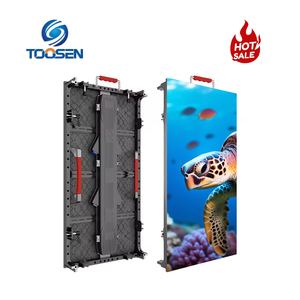
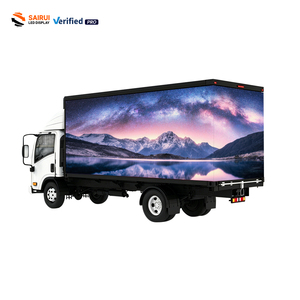
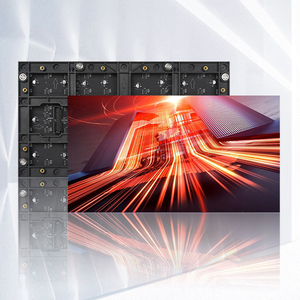
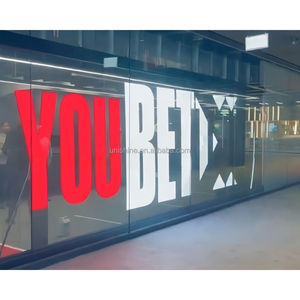
The Greater Nagoya metropolitan area, anchoring Japan’s industrial powerhouse across Aichi, Gifu, and Mie prefectures, presents distinct power engineering conditions that conventional off-the-shelf LED display controllers cannot reliably address. The regional utility, Chubu Electric Power Grid (中部電力パワーグリッド), operates strictly at a 60Hz utility frequency, contrasting with Eastern Japan’s 50Hz grid. For enterprise engineering teams, AV consultants, and commercial facility operators commissioning mega-scale LED video walls, DOOH digital towers, and automotive corporate displays, matching electrical topologies to local conditions is essential to protect assets and ensure grid compliance.
Modern high-brightness outdoor and micro-pitch indoor LED screens are non-linear electrical loads. When thousands of switched-mode power supply (SMPS) units are powered on simultaneously, their capacitive input filters generate extreme inrush current spikes. Left unmitigated, these transient spikes trip Type-D industrial circuit breakers, degrade magnetic contactors, and back-feed harmonic distortion into corporate distribution networks. In automotive manufacturing corridors such as Toyota City, Kariya, and the Port of Nagoya logistics hub, harmonic interference must be suppressed to prevent corruption of sensitive CAN-bus diagnostics, automated guided vehicle (AGV) communications, and robotic control circuitry.
Our intelligent LED screen power management units (PMUs) and centralized distribution panels incorporate stepped soft-start relays, zero-crossing solid-state switching, and active power factor correction (PFC > 0.98). Rather than allowing hundreds of cabinets to power on in a single uncontrolled wave, our systems split video displays into sequentially energized sub-arrays. This lowers initial peak inrush current from standard levels exceeding 80A down to a managed <6A per circuit phase, providing clean integration with building management systems (BMS) through Modbus, BACnet, and SNMP interfaces.
Nagoya merges a dense commercial core with advanced automotive engineering centers and busy port infrastructure. Power distribution and thermal control require specific designs across four key deployment environments in the region:
Commercial billboards around JR Nagoya Station and the Sakae shopping district operate under strict overnight illumination rules and municipal energy codes. Our systems use automated time-channel relay isolation, completely cutting the 10-15% vampire standby draw common to standard switch-mode supplies.
Within automotive styling studios and simulation suites in Toyota City, visual displays require clean power. Our power panels feature integrated Class-A EMI line reactors and multi-stage LC noise filters, isolating high-speed video processing noise from sensitive R&D equipment.
The Port of Nagoya handles substantial cargo volumes, relying on round-the-clock video monitoring in its Terminal Operations Centers. Our N+1 hot-swappable dual-redundant power units deliver uninterruptible failover, keeping command walls online without frame drops during maintenance.
Exhibition venues near Chubu Centrair Airport require rapid, modular electrical setups. Our mobile power distribution units feature multi-pin Socapex and CAM-lock connectivity, digital phase balancing, and seismic-rated auto-tripping in compliance with Japanese disaster prevention standards.
Engineering commercial AV installations in Central Japan requires meeting a robust framework of technical and environmental standards. Recent regulatory updates and regional sustainability initiatives are shaping procurement decisions across the Chubu market:
All display hardware, cabling harnesses, and power switching modules must comply with Japan’s Electrical Appliance and Material Safety Law (DENAN / PSE mark). Our export lines pass third-party testing for creepage distance, dielectric strength, and fire-resistant chassis construction, providing smooth approval under Nagoya Fire Department inspections.
Under Japan’s revised Act on the Rational Use of Energy (Shoene-ho) and Aichi Prefecture’s Carbon Neutrality 2050 framework, commercial buildings must cut operational carbon emissions. Our patented digiLED ZEUS® power architecture isolates inactive displays, lowering carbon emissions for corporate ESG disclosures.
Given the focus on earthquake preparedness in the Nankai Trough region, our power management panels feature integration options for seismic accelerometers. If significant shaking occurs, the system triggers controlled sequential shutdowns to protect circuits from high-voltage line surges and transformer arcing.
| Electrical Parameter | Standard Commercial Distribution | Our Intelligent Power Management Architecture | Benefit for Nagoya Facilities |
|---|---|---|---|
| Standby Consumption | 10% to 15% rated wattage (constant load) | 0.00 Watts (Physical Contact Relay Cut) | Eliminates millions of kWh in annual phantom load for DOOH and stadiums. |
| Cold-Boot Inrush Spikes | Up to 15x–20x rated nominal operating amps | < 1.5x nominal (Stepped Solid-State Relay) | Prevents nuisance tripping of building main switches on Chubu 200V 3-phase feeds. |
| Harmonics (THD-I) | Typical > 25% (creates line heating) | < 5% Active Dynamic PFC Correction | Complies with JIS C 61000-3-2; prevents neutral line overheating in corporate risers. |
| Telemetry & Alerts | None; reliance on physical fuse checks | Real-time Web GUI, Modbus-TCP, BACnet, SNMP | Instant notifications for voltage deviations, leakage currents, and cabinet thermal alerts. |
Sourcing large-format LED displays for Japanese infrastructure projects demands strict quality control, verified component provenance, and responsive engineering support. Rather than relying on standard trading channels, our manufacturing and integration model delivers key advantages for the Japanese market:
Our engineers oversee Factory Acceptance Testing (FAT) directly on the production floor. Every panel undergoes 72 hours of thermal stress-cycling, color-calibrated spectrum verification, and high-voltage dielectric insulation checks before packing, ensuring reliable out-of-the-crate performance.
With more than 375,000 square meters of custom LED installations worldwide—from major European sports stadiums to complex North American broadcast complexes and transportation hubs in East Asia—our power architectures are proven in critical, high-visibility deployments.
Supported by dedicated regional engineering desks in Japan and the UK, alongside specialized Pixel Depots, we ensure rapid access to matched-batch diode bin spares, power components, and firmware assistance. We work closely with local Aichi electrical contractors from preliminary single-line diagrams to on-site commissioning.
Detailed engineering answers to the most common questions raised by Japanese project teams, MEP consultants, and general contractors:
Whether you are designing a high-impact DOOH landmark in Sakae, an interactive floor installation for an entertainment center, or a command-room video wall for logistics operations, our engineering team can provide complete single-line power schematics, thermal calculations, and customized hardware pricing.