Engineered to integrate seamlessly with high-throughput multi-window video processors, Genlock frame synchronizers, and zero-latency switching backbones across Poland's demanding operational environments.
In modern visual infrastructure, the LED display panel is only as potent as the video processing unit governing it. Polish audiovisual consultants, system integrators, and broadcast transmission engineers face strict project demands: handling non-standard pixel resolutions, managing low-latency video over IP (SMPTE ST 2110), delivering seamless Genlock synchronization during Ekstraklasa sports broadcasts, and ensuring strict compliance with EU electromagnetic emission limits (PN-EN 55032 Class B). As an engineering-first LED display and video processor specialist serving Poland and Central Europe, we deliver hardware topologies engineered to resolve the exact throughput and processing bottlenecks encountered in real-world Polish venues.
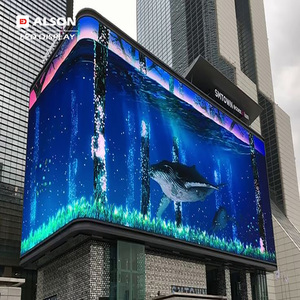
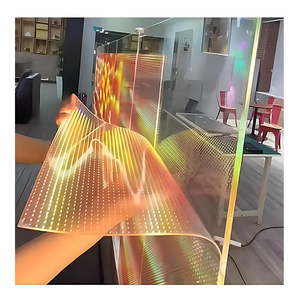
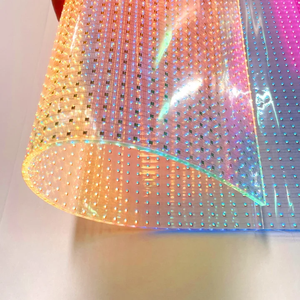
Conventional video switchers often introduce multiple frames of processing latency and fail when scaling to arbitrary, non-standard canvas dimensions such as 90-degree 5-sided 3D corner screens or micro-pitch architectural glass films. Our factory-calibrated processing engines utilize parallel Pure Hardware FPGA (Field Programmable Gate Array) logic. By eliminating operating system vulnerabilities and offloading scaler interpolation to hardware pipelines, our controllers achieve true sub-frame latency (<1ms total throughput delay), 12-bit per color HDR processing, and real-time color space conversion (Rec.709, DCI-P3, BT.2020) without dropped frames.
| System Parameter | Enterprise FPGA Processing Core | Standard Commercial Splicer | Operational Impact in Poland Venues |
|---|---|---|---|
| Latency Architecture | Sub-frame (< 0.5 frame delay) | 2 to 4 frames buffer latency | Vital for live sports at Tauron Arena Kraków & Katowice esports events |
| Input Flexibility | 12G-SDI, HDMI 2.1, DisplayPort 1.4, ST 2110 | Standard HDMI 2.0 / DVI legacy | Direct 4K@60Hz 4:4:4 native pipeline without external converter boxes |
| Power Decoupling | Patented Zero-Standby Architecture | Continuous parasitic drain | Compliance with EU 2019/2021 Ecodesign & severe Polish energy price caps |
| Pixel Clock Arbitrary Splicing | Hardware-level arbitrary cropping & EDID | Fixed grid increments (1920x1080) | Crucial for custom facades, P6 perimeter ribbons, and transparent film |
| Thermal Stability | -25°C to +70°C industrial operating tier | 0°C to +40°C standard office tier | Maintains continuous operation during harsh Polish sub-zero winter fronts |
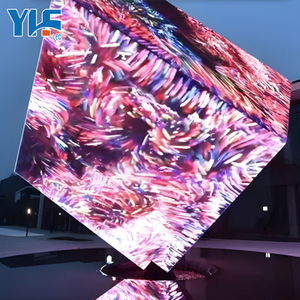
Furthermore, our video processor architecture incorporates specialized EDID emulation engines that permit system designers in Warsaw, Wrocław, or Gdańsk to configure non-standard custom timings across fiber-optic transmission routes. Whether outputting to high-transparency film in retail atriums or high-impact outdoor cubes along Trasa Toruńska, the source graphics workstations recognize the physical resolution natively, completely eradicating digital scaling artifacts, moiré interference, and aspect ratio distortion.
Tailored video wall controllers and synchronization architectures engineered for the operational realities of Polish public spaces, transportation hubs, corporate headquarters, and sports facilities.
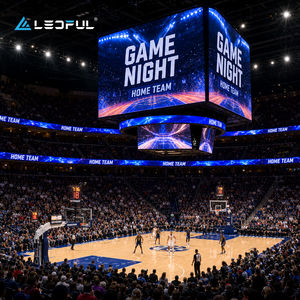
Venues like PGE Narodowy, Tauron Arena Kraków, or Enea Stadion demand high-refresh rate processors featuring dual-loop hot backups and multi-camera 12G-SDI broadcast switching. Our processors synchronize front-maintenance P6 stadium perimeter boards and center-hung jumbotrons with frame-accurate broadcast trucks, mitigating flicker during high-speed 240fps slow-motion capture.
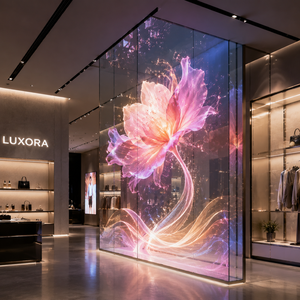
In high-density commercial centers such as Westfield Arkadia (Warsaw), Galeria Krakowska, or Manufaktura Łódź, architectural transparent LED film and multi-sided outdoor 3D cubes transform storefronts. Our video controllers support multi-layer windowing (PIP/PBP), synchronized ambient light sensor auto-dimming, and arbitrary pixel rotation for bespoke creative installations.
With Katowice recognized internationally as an esports powerhouse and Polish broadcast production studios adopting xR/VP workflows, our FPGA hardware delivers sub-frame genlock latency with camera tracking systems (FreeD, Mo-Sys). This ensures zero tearing on fine-pitch indoor walls, high frame rates up to 240Hz, and deep color rendering under cinematic lighting.
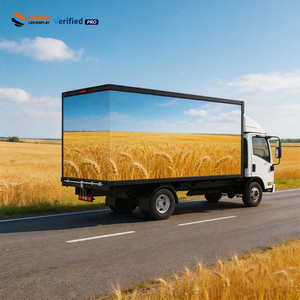
Poland's transit hubs—including Warsaw Centralna, Kraków Główny, and regional rail transit centers—require round-the-clock rugged reliability. Our mobile DOOH controllers designed for battery-powered van systems utilize vibration-resistant chassis, wide-voltage DC inputs (9-36V), and GPS-synchronized brightness throttles compliant with Polish road advertising regulations.
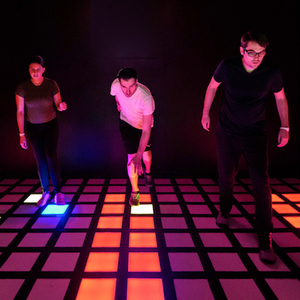
From the Silesian Museum in Katowice to educational centers across Poznań and Gdańsk, interactive pressure-sensing floor tiles paired with responsive processors translate visitor foot traffic into interactive digital art. Our low-latency controllers parse multi-point sensor signals over UDP/ArtNet, updating high-resolution textures in real time.
Regional energy distribution utilities, municipal traffic surveillance centers, and industrial facilities in Upper Silesia depend on continuous video wall uptime. Our processors offer redundant hot-swappable power supplies, dual-redundant processing blades, and seamless failover to secondary source streams without a microsecond of visual interruption.
The display integration sector in Poland is experiencing significant structural transformation. B2B end-users, city planners, and commercial developers are no longer focused solely on hardware upfront cost; the total cost of ownership (TCO), long-term operational stability, energy conservation, and strict compliance with European Union sustainability mandates now direct procurement tenders.
1. Strict Compliance with EU Ecodesign & Energy Directives: Poland's electricity pricing landscape has compelled integrators to prioritize dynamic power management. Traditional large-format displays consume substantial idle current even when rendering black content or during scheduled overnight curfews. Advanced processors operating in conjunction with intelligent power mitigation tools—such as the globally patented digiLED ZEUS® architecture—cut idle power consumption down to complete zero when displays are not serving active content. This technical capability enables Polish enterprise venues to meet local corporate ESG obligations and comply with stringent European Commission energy-saving directives.
2. Climatic Resilience for Extreme Temperature Deltas: Outdoor display installations in Poland must endure severe continental-climate transitions. Winter temperatures consistently plummet to -20°C in eastern and southern mountainous regions, while summer direct solar exposure elevates outdoor cabinet internal temps above +55°C. Commercial-grade processors installed in unconditioned outdoor equipment vaults require automotive-grade thermal component ratings, conformal PCB silicone coatings, and automated thermal throttling to ensure components do not drift out of color calibration when the seasons change.
3. Native IP Video Migration (SMPTE ST 2110 / NDI): Polish broadcast studios, concert touring firms, and universities are transitioning from legacy point-to-point HDMI/SDI matrix systems toward unified 10G/25G IP network infrastructures. Enterprise video processors must now feature native IP ingress, permitting AV teams to route uncompressed 4K video streams directly across fiber networks without cumbersome external signal transceivers, significantly simplifying cable density and improving overall signal integrity.
We approach visual engineering from a position of absolute technical independence and rigorous quality control. Backed by over five decades of collective team experience across iconic European and global venues—ranging from Premier League stadiums and NASCAR speedways to premier retail spaces—we deliver industrial-grade visual solutions engineered to exceed Polish engineering expectations.

Innovators behind globally patented visual and power solutions, upholding strict CE, RoHS, and EU EMC testing criteria for reliable continuous installation across Poland.
Direct technical answers addressing fiscal, logistic, operational, and hardware integration queries specific to the Polish and broader EU markets.
Whether you are engineering a high-refresh stadium perimeter in Poznań, a multi-sided 3D outdoor cube in downtown Warsaw, or a fine-pitch control room in Upper Silesia, our engineering team is ready to analyze your drawings, calculate viewing distances, and tailor your processor configuration.