Engineered to meet the rigorous demands of transit media operators in Almaty, Astana, and Shymkent. Full EAC compliance, automotive-grade power decoupling, and ultra-high nit daylight readability.
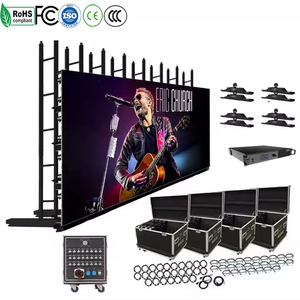
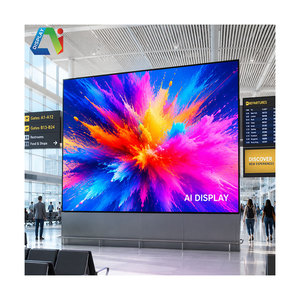
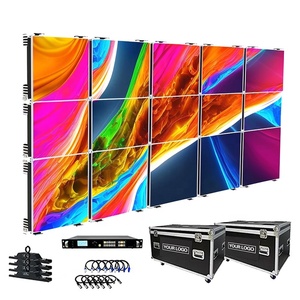
Deploying mobile Digital Out-of-Home (DOOH) assets across Central Asia presents unique electrical, mechanical, and meteorological challenges that standard commercial LED billboards cannot survive.
Kazakhstan experiences extreme continental climate volatility. In northern urban centers like Astana, Karaganda, and Kostanay, winter ambient temperatures regularly plunge below -38°C with fierce steppe wind chills, while summer conditions in southern metros like Shymkent and Taraz frequently breach +42°C in the shade. Standard LED displays suffer catastrophic component cracking, PCB delamination, and power regulator lockups under these wide thermal swings.
Our vehicle rooftop LED displays incorporate multi-stage thermal stabilization systems. Unlike consumer electronics that utilize low-temperature electrolytic capacitors prone to liquid electrolyte freezing and ESR (Equivalent Series Resistance) runaway, our boards use solid-state tantalum and high-grade ceramic capacitors rated down to -55°C. The internal power supply stage utilizes an intelligent pre-heating circuit and soft-start power sequencing. When a taxi engine ignites in sub-zero Astana winters, the onboard power supply gradually draws from the 12V/24V alternator, eliminating instantaneous current inrush and high voltage spikes (compliant with ISO 7637-2 pulse benchmarks).
Taxis and ride-hailing vehicles (such as Toyota Camry, Hyundai Elantra, and Chevrolet Cobalt operating heavily across Yandex Go and regional fleets in Almaty) generate dirty DC electrical rails. Alternator voltage spikes, cold-cranking voltage dips down to 6V, and destructive load-dump transients can instantly fry inferior LED controllers.
Drawing upon our pedigree in advanced energy management—similar to our globally patented zero-standby draw systems—our taxi top displays integrate high-efficiency DC-DC step-down buck regulators with an ultra-wide input voltage window of 9V to 36V DC. The system delivers constant-current 4.2V/3.8V rail feeds to the drive ICs with an operational efficiency exceeding 92%. By reducing heat waste at the module level, the display preserves vehicle battery life and avoids overloading the car's alternator during heavy urban traffic jams on Almaty's Raiymbek Avenue or Abay Avenue.
| Engineering Parameter | Export Standard Specification | Kazakhstan Operational Benefit |
|---|---|---|
| Pixel Pitch Options | P2.5 / P3.33 / P4.00 SMD & GOB Surface | Ultra-crisp high-density messaging for close-range pedestrian & vehicular viewing |
| Luminance Calibration | 5,500 – 7,500 nits (Software & Sensor Controllable) | 100% direct sunlight legibility across high-altitude Almaty mountain basins |
| Refresh Rate | 3840Hz – 7680Hz PWM High-Gray IC | Zero scanlines or flicker when captured by bystander smartphones for social virality |
| Ingress Protection | Hermetic IP65 (Front) / IP65 (Rear) fully sealed | Complete barrier against winter snow melt, road salt brine, and summer steppe dust |
| Structural Casing | Aviation Die-Cast Aluminum + Anti-UV Polycarbonate | Ultra-light aerodynamic profile (<18 kg) reducing fuel consumption and roof stress |
| Connectivity & Control | 4G / 5G LTE + GPS Geofencing + Cloud CMS API | Real-time programmatic ad targeting across city administrative district borders |
How digital transit media operators and fleet owners are transforming vehicular transit into lucrative, programmatic digital-out-of-home advertising networks.
As Kazakhstan's chief economic engine, Almaty boasts intense pedestrian traffic and arterial congestion along Dostyk Avenue, Al-Farabi Avenue, and Panfilov Street. Taxi top screens act as dynamic eye-level billboards that navigate directly into premium retail zones where static billboard construction is heavily regulated or prohibited by municipal urban planning.
Astana's monumental boulevards (such as Mangilik El and Turan Avenue) require extended viewing distances and unmatched aerodynamic stability against crosswinds exceeding 28 m/s. Our streamlined aerodynamic double-sided displays feature curved low-drag profiles that maintain high vehicle stability on highway corridors connecting to Nursultan Nazarbayev International Airport.
In Shymkent and the Turkistan cross-border trade hubs, intense ultraviolet radiation and high summertime temperatures degrade conventional plastics. Our anti-yellowing polycarbonate hoods and GOB (Glue-on-Board) surface encapsulation deliver zero LED degradation and consistent color uniformity under prolonged UV exposure.
The transformation from static transit decals to smart programmatic vehicular screens.
Direct integration with DSP/SSP platforms allowing dynamic bidding based on vehicle coordinates, time-of-day, and localized demographic foot-traffic density.
Municipal collaboration: Taxi screens functioning as mobile environmental monitors gathering Almaty air quality data (PM2.5/PM10) and broadcasting civil emergency notifications.
Dual-sided synchronized high-density displays generating three-dimensional optical illusions that stop pedestrians in their tracks outside luxury malls like Mega Alma-Ata.
Fleet operators sharing advertising yields directly with drivers, helping offset compressed margins while offering brands audited GPS playback verification logs.
We do not merely assemble modules; we engineer turn-key display ecosystems supported by strict factory floor oversight, certified electrical design, and comprehensive post-installation spares.
Unlike middleman traders, our hardware designs are built upon proprietary intellectual property using tier-one LEDs (Nationstar/Kinglight gold wire) and custom PCB multilayers. Every production run is audited by our engineers directly on the manufacturing floor.
Every taxi top batch undergoes comprehensive Factory Acceptance Testing (FAT). We conduct 72 hours of uninterrupted white-screen aging, salt-spray chamber testing, high-amplitude vibration shaking, and waterproof rain simulation before customs packing.
Unified web-based CMS engineered for regional SIM carriers (Kcell, Tele2, Beeline Kazakhstan). Instantly push localized campaigns, set speed-triggered playout rules, monitor power supply health, and obtain cryptographic ad display affidavits.
Essential guidance covering Eurasian customs clearance, vehicle safety laws, winter reliability, and software configuration.