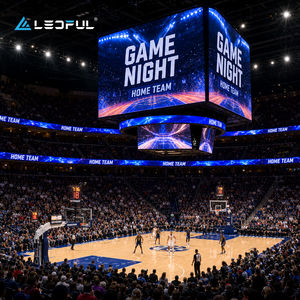

Explore our industrial-grade, FAT-verified LED systems engineered for multi-sensory visitor centers, experiential galleries, sports precincts, and luxury entertainment venues across Greater Melbourne.
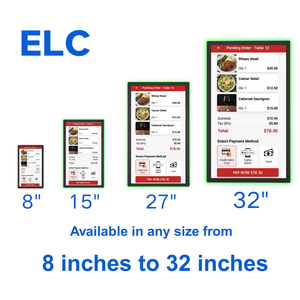
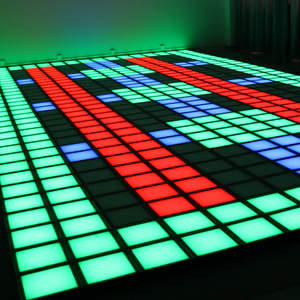
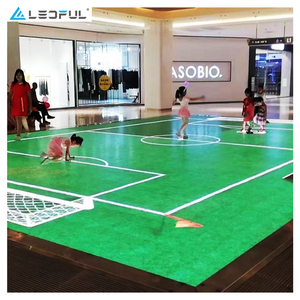
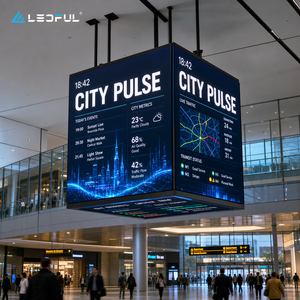
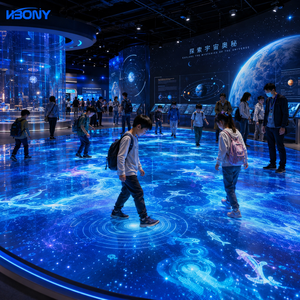
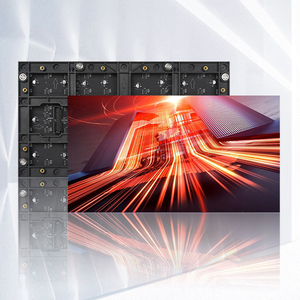
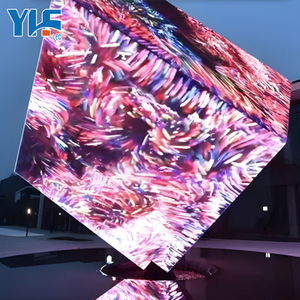
From the revitalization of the Melbourne Arts Precinct to interactive experiential retail in Chadstone and high-impact installations in Southbank, immersive video environments require rigorous engineering for optical alignment, structural stability, and thermal control.
Immersive CAVE (Computer Automatic Virtual Environment) configurations in Victoria's educational labs and digital galleries demand mitred edge-blended LED modules. Our sub-1.5mm fine-pitch cabinets feature 45-degree CNC bevelled edges, achieving physical joins of under 0.2mm to eliminate dark vertical seam lines in multi-wall virtual realities.
Melbourne’s high-traffic tourist destinations, exhibition pavilions at the Melbourne Convention and Exhibition Centre (MCEC), and interactive family venues require specialized active floors. Utilizing aircraft-grade die-cast aluminum bases and resin masks, our interactive floor tiles withstand continuous point-loads exceeding 2,000 kg/m² while resisting scuffing and liquid penetration (IP65).
Victoria's variable oceanic climate drives strict HVAC load modeling in commercial facilities. Our fanless die-cast chassis combine passive convection heat dissipation with ultra-low thermal dissipation ICs. This significantly reduces cooling overhead for enclosed immersive chambers without introducing mechanical fan noise that disrupts spatial audio environments.
Evaluating commercial-grade fine pitch and volumetric displays against the rigorous criteria enforced by Victorian tier-1 AV engineering consultants.
| Evaluation Parameter | Commodity Import Panels | digiLED Immersive Space Standard | Melbourne Compliance Benefit |
|---|---|---|---|
| Driver IC & Refresh Rate | 1,920Hz - 3,840Hz standard PWM | 7,680Hz high-refresh with 16-bit grayscale depth | Eliminates camera flicker and moiré during broadcast and high-speed visitor filming. |
| Power Management | Constant standby current draw (~15-30W/m²) | Integrated digiLED ZEUS® (Patented 0.0W zero standby) | Lowers commercial building energy scores (NABERS & Green Star compliant). |
| Load Capacity (Floors) | 500 - 800 kg/m² polycarbonate | ≥2,000 kg/m² aircraft alloy + toughened optical resin | Certified for heavy public traffic, stage props, and motorized equipment display. |
| EMC & Safety Certification | Generic CE / FCC self-declarations | ACMA RCM, AS/NZS 62368.1, AS/NZS CISPR 32 | Pre-approved by Victorian electrical safety authorities; eliminates project sign-off delays. |
| Optical Surface Coating | Standard SMD exposed pins | GOB / COB optical coating with matte anti-glare | Prevents physical pixel damage from impact while eliminating specular room reflections. |
Victoria continues to solidify its reputation as the cultural, artistic, and sporting epicentre of the Southern Hemisphere. As traditional flat-panel signage gives way to multidimensional, interactive architecture, commercial AV buyers are actively navigating three structural industry shifts.
Melbourne developers in Docklands, Southbank, and the CBD are actively integrating immersive digital canvases into corporate lobbies and atrium spaces. No longer viewed simply as dynamic advertising boards, volumetric LED cubes and multi-wall CAVE systems function as permanent, revenue-generating cultural attractions that elevate real estate value and drive foot traffic.
Static displays are increasingly replaced by real-time interactive sensory tiles. In active entertainment zones, experiential exhibitions, and educational venues around Carlton and Parkville, optical radar and high-sensitivity pressure sensors embedded within floor screens allow visitors to dynamically interact with simulated physics engines, responsive liquid graphics, and gamified digital simulations.
Victoria's forward-looking commercial building initiatives place high priority on carbon reduction and operational cost efficiency. Immersive spaces operating continuous 12-to-16-hour display cycles require proven low thermal radiation and certified energy management systems like digiLED ZEUS®, ensuring compliance with national environmental sustainability frameworks.
Combining UK-engineered design, strict on-site factory testing, and regional support networks, digiLED eliminates integration risks on mission-critical displays across Australia.
We do not operate as a single-factory brand. We custom-engineer proprietary intellectual property (IP), hand-selecting Tier-1 semiconductor components and manufacturing facilities matched precisely to your project's performance criteria.
Every square metre of LED hardware undergoes rigorous Factory Acceptance Testing (FAT) supervised directly on the production floor by digiLED senior engineers prior to global export to Victoria.
Our globally patented, multi-award-winning smart power management technology allows large-scale immersive screens to completely drop to 0.0W standby consumption when not in active use, safeguarding equipment life while lowering venue overhead.
With operational Pixel Depots and established international engineering networks, clients receive comprehensive technical support, pixel-level recalibration, and guaranteed component batch matching over multi-year operational life cycles.
Key technical, regulatory, and logistical considerations addressed for Melbourne project managers, electrical contractors, and AV integration firms.
All commercial LED video systems imported into and installed within Melbourne must display the Regulatory Compliance Mark (RCM). This certifies compliance with Australian ACMA EMC requirements (AS/NZS CISPR 32) and electrical safety mandates (AS/NZS 62368.1). Additionally, public installations within enclosed spaces must comply with National Construction Code (NCC) and Building Code of Australia (BCA) fire-hazard properties regarding Early Fire Hazard Indices (AS/NZS 1530.3). digiLED exports hardware configured with compliant cabling, power supplies, and flame-retardant masks.
Multi-angle immersive environments are prone to apparent color shifts if modules originate from mixed diode wafer batches. We enforce single-bin LED sorting for all panels within an immersive system. During factory acceptance calibration, high-resolution spectroradiometer testing ensures uniform color temperature (6,500K standard, adjustable) and luminance across both horizontal floors and vertical walls, maintaining visual continuity across mitred corners.
Yes. Our heavy-duty floor series (including the P2.97 high-traffic model) features a structural load rating certified for ≥2,000 kg/m² (2 metric tons). Reinforced die-cast alloy subframes, paired with specialized multi-point adjustable load jacks, distribute concentrated point-loads evenly across the floor slab. This makes them suitable for automotive product showcases, luxury exhibitions, and dense crowd environments.
Standard commercial LED video displays continue to pull idle "phantom power" when showing black content or remaining on overnight standby. Across a large immersive space comprising 150-300 square meters of high-density LED, standby draw can reach thousands of kilowatt-hours annually. digiLED ZEUS® is a patented, Made-in-Britain power management tool that completely cuts mains current at the cabinet level when no input is active, reducing standby consumption to zero and assisting corporate buyers in fulfilling Green Star operational goals.
Every shipment exported to Melbourne includes a comprehensive, factory-matched spare parts allocation (typically 3-5% replacement modules, receiving cards, power units, and custom cable harnesses from the identical production run). Supported by our dedicated regional Pixel Depots, we provide board-level repair, recalibration, and remote diagnostic assistance to support local systems integrators throughout the installation's operational life.