
Deploying specialized LED wall modules tailored for zero moiré distortion, high camera shutter synchronization (up to 7,680Hz), and extreme DCI-P3 color gamuts across film, gaming, and enterprise broadcast stages.
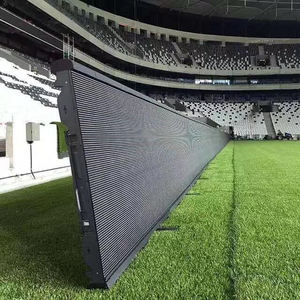
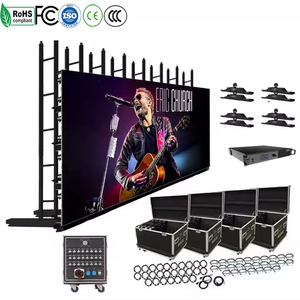
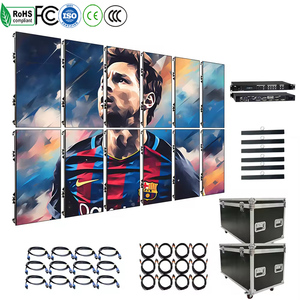
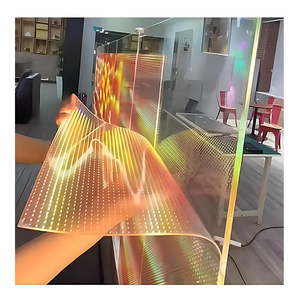
In-camera visual effects (ICVFX) demand far more than traditional presentation displays. From eliminating optical moiré patterns to accommodating Unreal Engine 5.4+ nDisplay cluster architectures, here is how Seattle virtual stages are built.
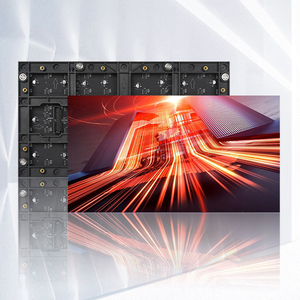
Moiré interference occurs when the digital sensor matrix of cinematic cameras (e.g., ARRI Alexa Mini LF, RED V-Raptor 8K) beats against the physical pixel grid of the LED panel. Our Seattle installations leverage micro-diffusive optical surface masks and optimized pixel pitch calculations (typically 1.95mm to 2.6mm for 8-foot minimum focus boundaries) ensuring cinema sensors see smooth gradients rather than scan structures.
Multi-camera setups in broadcast volumes require instantaneous phase-locked synchronization. Supporting multi-camera frame remapping (up to 4 camera viewpoints at once with shutter offset), our panels work alongside Brompton SX40 and Megapixel VR Helios processors. Precision Genlock syncing locks pixel refresh pulses directly to the camera shutter angle, eliminating black horizontal rolling bands completely.
Color drift is the silent failure of extended shooting days. When LED panels heat up, red wavelength output degrades faster than blue and green. Our XR cabinets incorporate die-cast aluminum structural heat-sinks paired with low-voltage cathode driving ICs, maintaining stable junction temperatures (below 42°C under sustained full load) to guarantee consistent color temperature across 14-hour filming sessions.
| Parameter | Enterprise Corporate Studio | Cinema-Grade ICVFX Stage | Interactive XR Broadcast Floor |
|---|---|---|---|
| Recommended Pixel Pitch | 1.25mm – 1.8mm COB | 1.95mm – 2.6mm SMD Black Face | 2.97mm – 3.91mm Tempered Layer |
| Driver Refresh Rate | 3,840Hz – 7,680Hz | 7,680Hz Ultra-Low Scan Rate | 3,840Hz Low Latency Sync |
| Grayscale Processing | 14-bit to 16-bit True Linear | 16-bit+ with HDR10 / HLG Curve | 14-bit Native |
| Surface Luminance | 600 – 1,000 nits Adjustable | 1,500 – 2,200 nits Dynamic Range | 1,200 – 1,800 nits Matte Anti-Glare |
| Primary Application in WA | Redmond/Bellevue Executive Comms | Pike Place / SODO Commercial Stages | Tacoma / Seattle Live Esports Arenas |
The Pacific Northwest represents a unique intersection of enterprise cloud computing, AAA gaming titans, aerospace visualization, and progressive commercial cinematography.
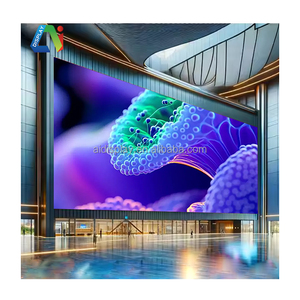
With major studios headquartered in King County (including Xbox Game Studios, Valve, Bungie, and Nintendo of America), our specialized XR displays function as real-time in-camera environment backdrops for motion capture and virtual previsualization. Actors perform inside a continuous curved LED volume running Unreal Engine 5 via custom nDisplay pipelines, reflecting accurate photorealistic specular highlights on actors' gear and physical props, saving hundreds of hours in post-production keying.
Enterprise tech enterprises in Seattle require high-definition, flicker-free hybrid auditoriums. Utilizing fine-pitch Chip-on-Board (COB) P1.25 to P1.5 panels, corporate studios create immersive broadcast spaces for worldwide product launches, investor briefings, and real-time remote collaboration. The micro-pitch displays offer wide viewing angles (>160°) so multi-angle teleprompters and executive cameras retain perfect color fidelity across the entire horizontal field.
In aerospace manufacturing hubs around Paine Field and Kent Valley, high-refresh rate curved simulation displays serve flight simulator cockpit testing. Unlike traditional projection systems that struggle with ambient light and contrast decay, our modular curved LED video walls deliver pure blacks, HDR atmospheric transitions, and peripheral visual continuity that replicates true supersonic and orbital lighting dynamics for flight engineering test pilots.
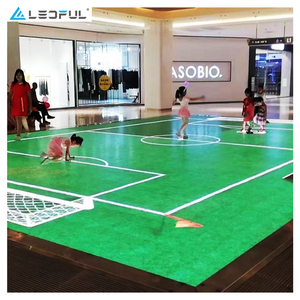
Seattle’s industrial districts (SODO, Ballard, Georgetown) are repurposing high-bay warehouse facilities into modular virtual stages. Combining a primary 12-meter curved backwall, mobile ceiling fill panels, and high-load interactive floor panels, local production outfits run automotive interior shots without highway permits or inclement Pacific Northwest rain delays, keeping regional filming budgets within Washington State production incentive guidelines.
As global LED display pioneers backed by more than 500 years of collective display engineering and 375,000+ square meters installed worldwide, our delivery model removes the traditional bottlenecks of overseas procurement for Pacific Northwest integrators.
We are not locked into a single rigid factory line. We partner with specialized manufacturing facilities, selecting the precise tier-1 factory setup that meets the exact optical specifications of each studio. All core hardware is engineered to proprietary IP, utilizing gold-wire bond LEDs and custom-designed PCB topologies.
Zero bad pixels on delivery. Our own field engineers remain stationed on the manufacturing floor throughout calibration and assembly. Every single cabinet undergoes comprehensive Factory Acceptance Testing (FAT), 72-hour burn-in cycles, color uniforming calibration, and vibration analysis before air or sea shipment.
Seattle clients are directly supported by our fully equipped North American Pixel Depot based in Las Vegas. From rapid module replacements, calibration files, batch-matched diode repairs, and local field technician dispatch, you have full domestic lifecycle security across the Western United States.
Our globally patented power management technology cuts quiescent standby power to zero watts. For Seattle companies working under corporate ESG goals and Washington's Clean Energy Transformation Act (CETA), ZEUS® eliminates thousands of kilowatt-hours in parasitic idle drain.
Procurement criteria in King and Snohomish counties have shifted dramatically toward sustainability, ultra-compact pixel density, and open-standard IP infrastructure.
With Seattle City Light maintaining strict commercial energy codes, large continuous LED video walls that draw massive idle standby current face regulatory pushback. Local studio designers now mandate high-efficiency cathode architecture and automated zero-power standby relays, ensuring multi-megawatt studio complexes comply with local building emissions standards.
Seattle-area broadcast facilities are retiring legacy SDI matrix switchers in favor of 100GbE fiber pipelines. Our virtual production controllers interface directly into SMPTE ST 2110 broadcast uncompressed backbones, synchronizing real-time metadata, live tracking camera feeds, and video playback over low-latency IP streams.
For close-up human presenter interaction in enterprise training auditoriums, traditional surface-mount SMD diodes are vulnerable to physical impact and deliver reflective surface glare. The Puget Sound market is rapidly adopting flip-chip COB encapsulation, which provides an impenetrable resin shield, water/dust proofing, and deep obsidian-black backdrops.
Detailed technical, logistical, and warranty answers for studio architects, AV consultants, and technical directors serving the Washington state market.