Explore our specialized sports scoreboard, interactive concourse, and multi-tier stadium video wall portfolio built with high refresh rates, IP65/IP68 weather shielding, and zero-latency scoring integration.
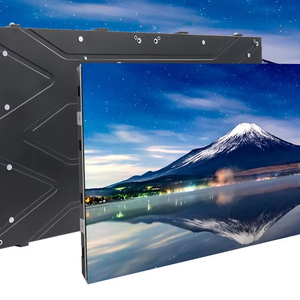
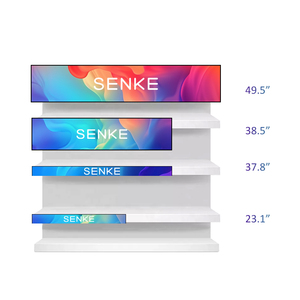
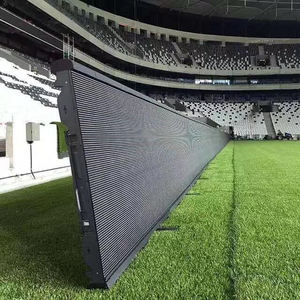
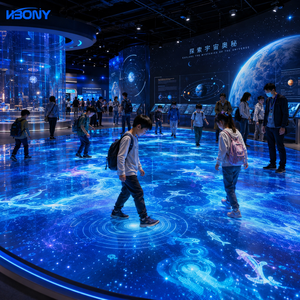
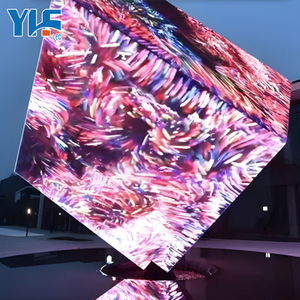
Procuring LED scoreboards from China requires far more than comparing lumen specs on a paper sheet. It demands strict hardware IP compliance, independent QA/QC verification on the factory floor, and end-to-end technical lifecycle management.
Unlike broker companies that re-box commodity hardware, our senior bilingual display engineers supervise the entire production run directly on the Shenzhen assembly floor. Every cabinet undergoes exhaustive Factory Acceptance Testing (FAT), including 72-hour full-white continuous aging, thermal gradient infrared scans, and vibration resistance simulation before ocean freight clearance.
Modern mega-stadiums and secondary municipal arenas face exorbitant baseline electricity costs while idling between match days. Integrating our globally patented and UK-awarded digiLED ZEUS® intelligent power architecture safely disconnects phantom standby draw from internal switchgear, reducing inactive power consumption to zero while extending driver IC lifespans.
Our scoreboard display firmware provides native plug-and-play synchronization with global scoring controllers, timing consoles, and replay suites including Daktronics, OES, Swiss Timing, Nevco, and Sportzcast. From 24-second shot clocks in basketball to multi-lane swimming touchpads and VAR slow-motion ingest, our zero-latency video processing eliminates frame drops.
From Premier League football grounds to NASCAR super-speedways and major indoor multi-sport arenas, our engineering teams have delivered over 375,000 square meters of high-visibility, broadcast-calibrated LED solutions.
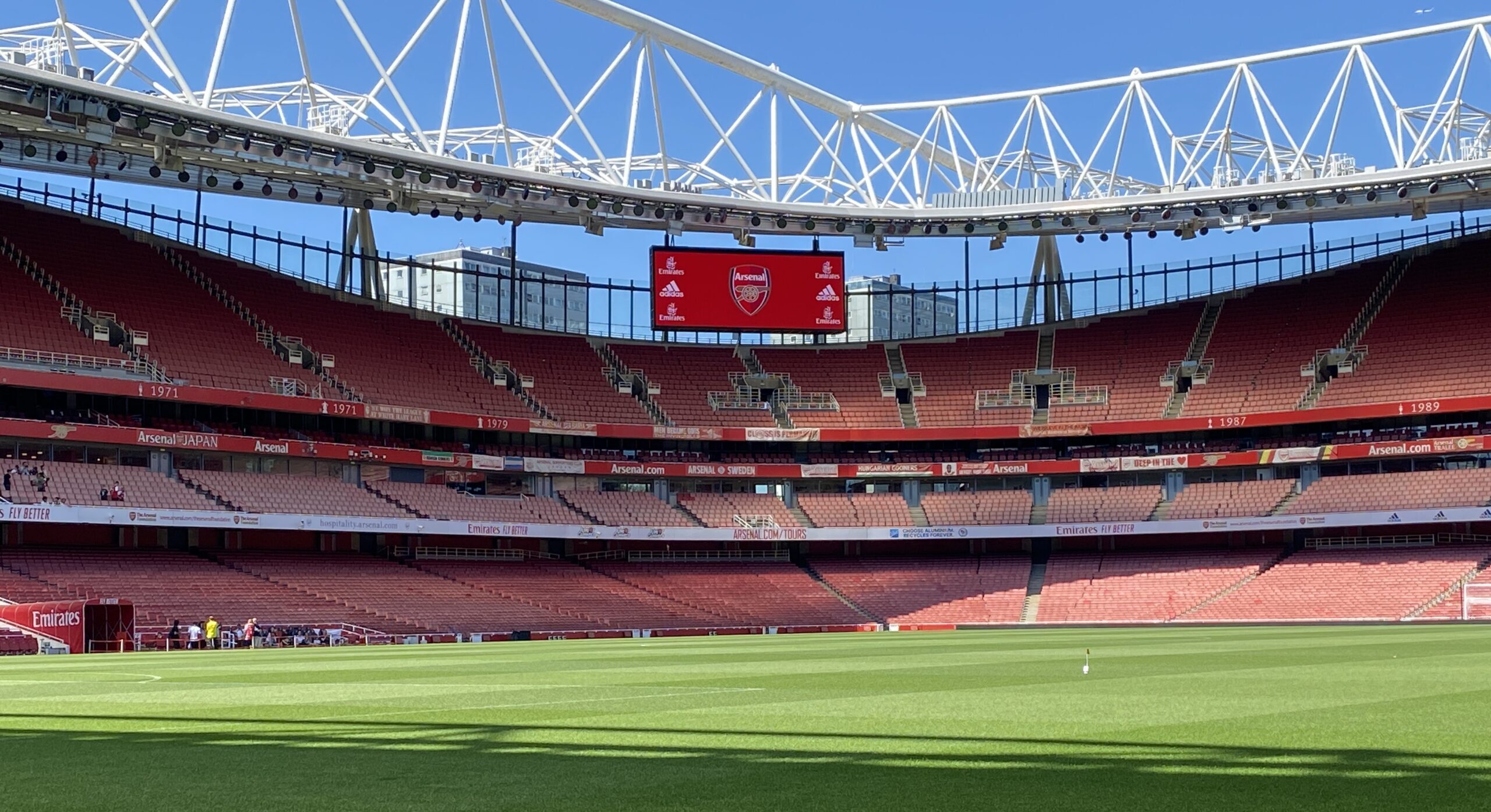
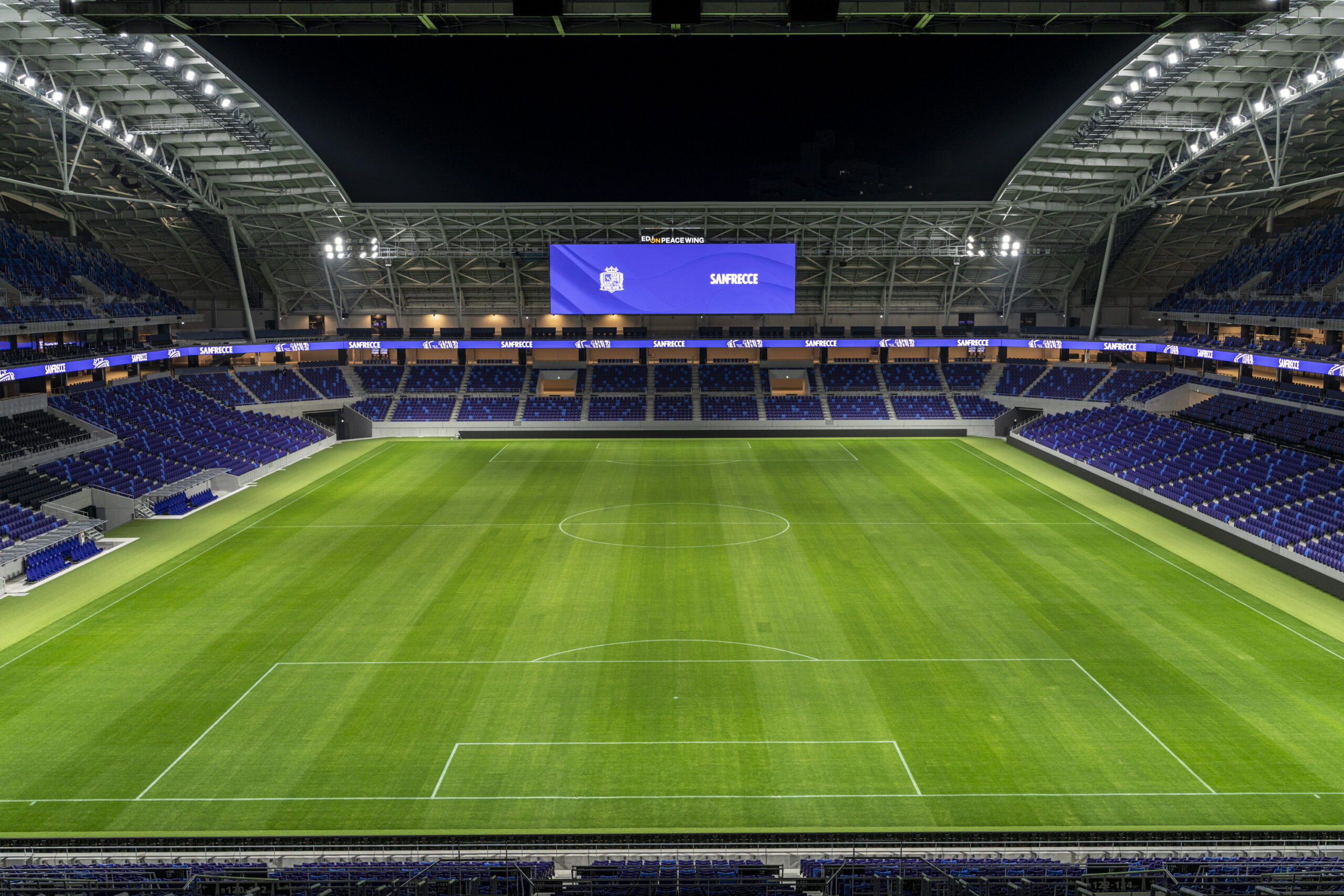
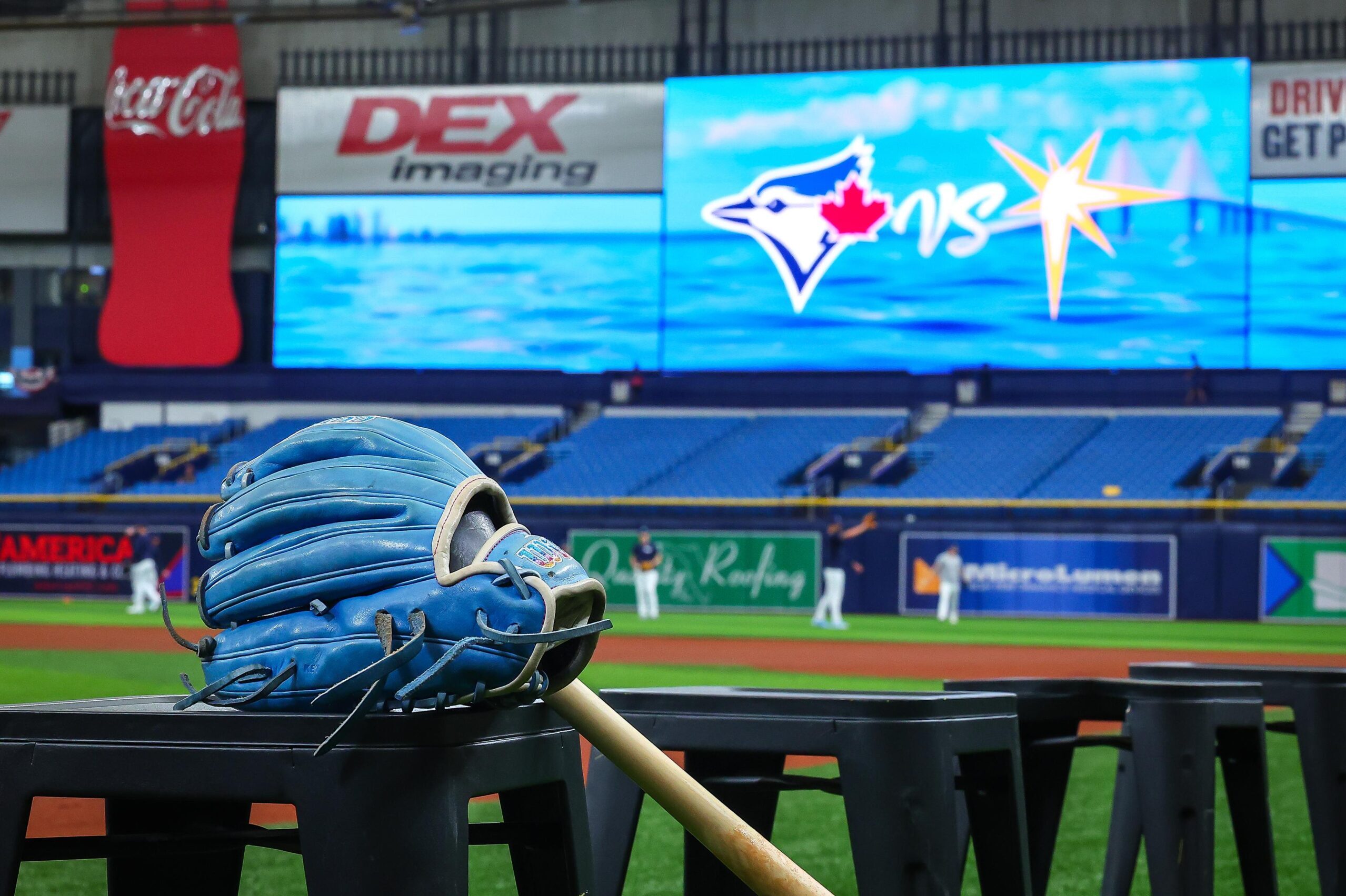
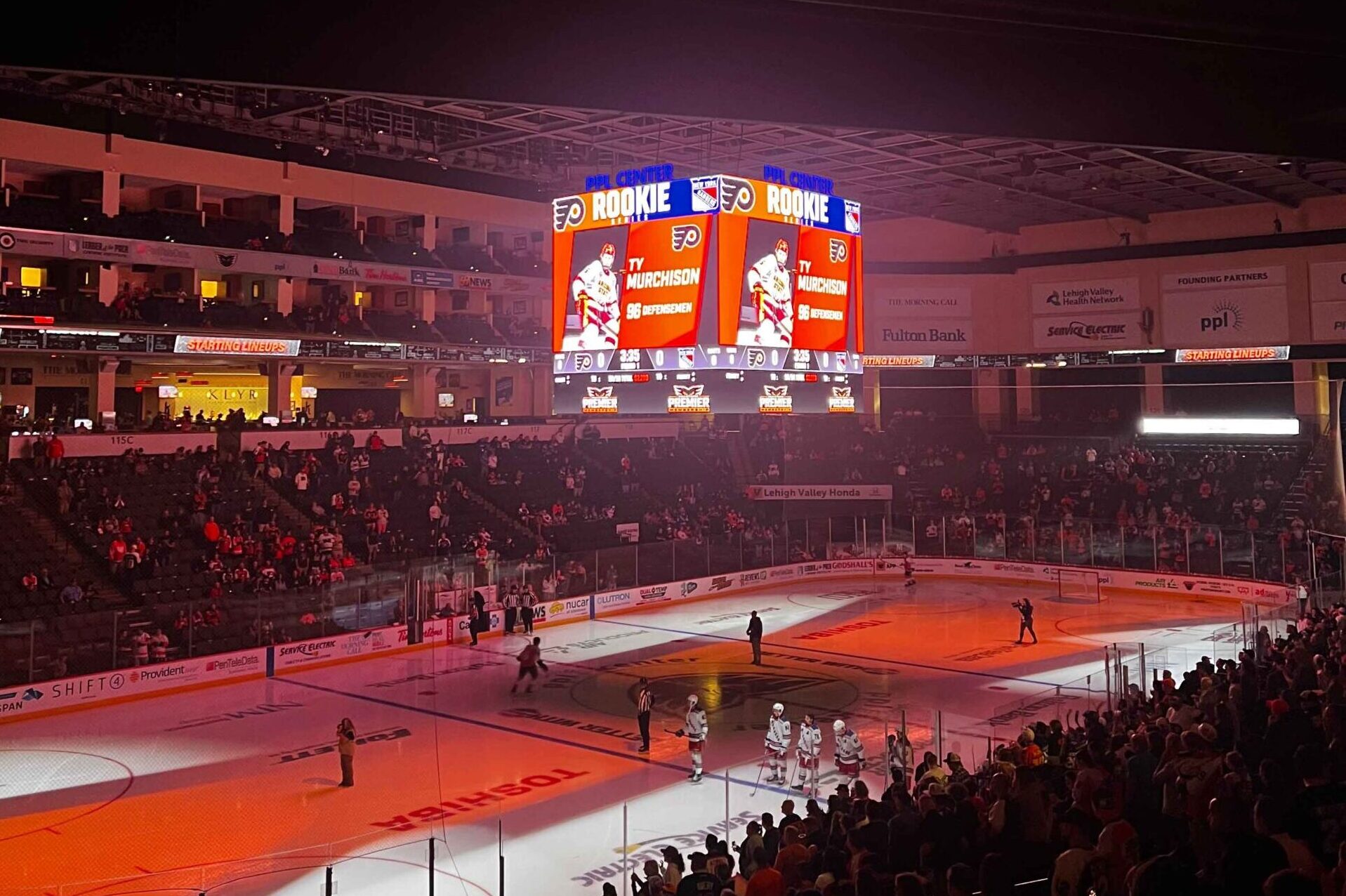
A side-by-side engineering breakdown designed to assist stadium architects, sports facility AV consultants, and municipal procurement directors in selecting the exact pixel pitch, brightness, and driver topology.
| Application Scenario | Recommended Pitch (mm) | Optimal Brightness (Nits) | Refresh Rate & Greyscale | Protection Rating & Mechanical Spec | Target Viewing Distance |
|---|---|---|---|---|---|
| Outdoor Stadium Giant Scoreboard | P5.95 / P8 / P10 | 6,500 – 10,000 Nits | 3,840 – 7,680 Hz / 16-bit | IP65 Front & Rear / Die-cast Aluminum | 15m – 250m+ |
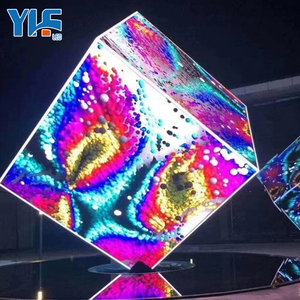
| Center-Hung Arena Video Cube | P2.5 / P2.97 / P3.91 | 1,200 – 2,500 Nits | 3,840 – 7,680 Hz / 16-18-bit | IP43 Indoor / Lightweight Magnesium Frame | 4m – 60m |
| Perimeter Pitch-Side LED Ribbon | P6.67 / P8 / P10 | 6,000 – 8,000 Nits | 7,680 Hz (Broadcast Sync) | IP66 / Silicone Mask + Crash Cushion | 6m – 100m |
| Concourse & VIP Lounge Display | P1.53 / P1.86 / P2.0 | 600 – 1,000 Nits | 3,840 Hz / HDR10+ Capable | Front Access Magnetic / Fine-Pitch COB | 1.5m – 15m |
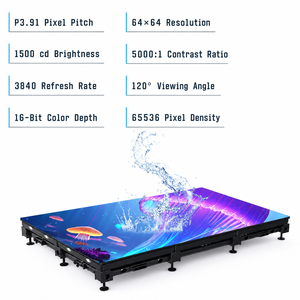
| Interactive Training & Event Floor | P2.97 / P3.91 | 1,500 – 3,000 Nits | 3,840 Hz / High Sensitivity Radar | IP68 / 2,000 kg/sqm Point Load Capacity | 0.5m – 20m |
The sports digital signage landscape is experiencing profound architectural shifts driven by sustainability regulations, ultra-high-definition broadcast standards, and digital twin stadium software.
Modern pitch-side perimeter scoreboards are moving toward multi-channel optical multiplexing. Broadcasters can transmit region-specific digital sponsor ads to international TV audiences while in-stadium attendees see physical event sponsors simultaneously.
Driven by municipal net-zero mandates, procurement tenders now mandate common-cathode IC driver topologies. By powering Red, Green, and Blue dies with dedicated voltages, heat generation drops by up to 35%, cutting operational HVAC requirements.
Traditional SMD LEDs in sports arenas remain prone to high-velocity ball strikes. Chip-on-Board (COB) and Glue-on-Board (GOB) encapsulation create an impervious, impact-resistant resin shield that completely eliminates dead pixels from sports collisions.
Proprietary sending cards and heavy HDMI/DVI matrix switchers are being phased out. Next-generation scoreboard control systems directly ingest uncompressed SMPTE ST 2110 IP video streams over 25GbE optical networks with sub-millisecond switching latency.
Understanding how hardware advances correlate with fan engagement metrics, player analytics visualization, and venue operational monetization.
High-speed 4K slow-motion broadcast cameras capturing penalty shootouts or buzzer-beaters can induce severe scan lines and black flicker on inferior LED scoreboards. Equipping driver boards with 7680Hz refresh and 16-bit low-greyscale processing ensures seamless, flicker-free rendering on multi-million dollar global broadcast feeds.
Modern arena architecture frequently confronts physical conflicts between giant central scoreboard structures and line-array speaker positioning. Patented micro-perforated acoustically transparent LED screens allow sound pressure waves to radiate through the video panel without audio smearing, delivering thunderous spatial sound behind clear 4K visuals.
Gone are the boxy, rectangular scoreboards of the past. Continuous 360-degree cylindrical ribbon boards and 90-degree seamless corner mitered video cubes provide smooth wraparound sightlines. Integrated CAD/CAM aluminum casting guarantees sub-millimeter gap tolerances for uninterrupted animations.
A rigorous five-pillar vendor vetting procedure established to shield international integrators and venue developers against premature LED degradation, color shift, and contractual delivery failures.
Always demand proof of LED batch binning. Verify whether the factory utilizes genuine Nationstar, Kinglight, or Nichia gold-wire LEDs. Insist on single-bin color temperature tolerance (±100K) across the entire production lot to avoid patchwork discoloration when displaying full-white sponsor backgrounds.
Evaluate whether cabinet frames are stamped iron (inferior thermal conductivity, rust prone) or CNC-machined die-cast magnesium/aluminum. High-lumen sports scoreboards generating 8,000 Nits must incorporate convection heat fins that dissipate heat without noisy internal cooling fans.
Ensure your supplier maintains dedicated regional servicing facilities—such as our Pixel Depots in Las Vegas and the UK. Standard warranties are meaningless if broken LED modules must be mailed back across oceans for slow micro-soldering during a high-stakes competitive season.
Expert answers addressing pixel pitch calculation, FIFA/FIBA stadium certifications, power dissipation, and custom scoreboard structure engineering.
The standard industry guideline uses the 1:1 metric rule, where optimal minimum viewing distance in meters equals the pixel pitch in millimeters (e.g., a P6 display provides sharp fidelity starting at 6 meters). For main stadium end-zone scoreboards viewed by spectators 50 to 200 meters away, pitches between P8mm and P10mm provide the perfect sweet spot between high resolution, optical brilliance, and budget efficiency. For indoor arenas where lower-tier spectators sit within 6 to 12 meters, P2.5mm to P3.91mm is strongly advised.
Professional stadium perimeter ribbons must satisfy stringent sporting federation regulations (such as UEFA and FIFA standards). These include mechanical player safety mandates (soft silicone mask louvers, top EVA anti-collision cushions, and non-rigid forward-leaning brackets), high broadcast refresh rates (at least 3840Hz, preferably 7680Hz to prevent moiré patterns on live television), and rigorous electrical certifications (CE, UL/ETL, FCC Class A/B, and EMC compliance to eliminate broadcast truck interference).
Traditional large-format stadium displays keep power supplies continuously energized on standby, leaking thousands of kilowatt-hours during dark hours and mid-week intervals. digiLED ZEUS® is an intelligent, globally patented UK-built hardware controller that remotely monitors screen condition and isolates electrical mains feeds down to true zero-power consumption when inactive. It eliminates thermal stress on driver chips and significantly reduces stadium Scope 2 carbon emissions.
Yes. Our LED video processors and controllers feature multi-protocol input support for industry-leading scoring consoles including Daktronics All Sport, OES, Swiss Timing, Colorado Time Systems, Bodet, and Nevco. Using SDI, NDI, or IP data protocols, scoring data, shot clocks, penalty timers, and statistical player overlays integrate onto the LED screen without perceptible latency.
We supply a comprehensive 3-to-5-year hardware warranty paired with a dedicated 3% to 5% spare parts package produced from the exact same LED bin batch (including spare LED modules, HUB boards, receiving cards, and Mean Well power supply units). Our regional Pixel Depots in Las Vegas and the UK maintain factory-grade calibration beds to perform module batch repairs and optical re-calibration throughout the display's service lifecycle.
Our outdoor sports video walls utilize precision die-cast aluminum cabinets sealed to IP65 front and rear standards. Circuit boards receive three layers of conformal polyurethane coating protecting traces against salt fog corrosion, sulfurization, and humidity. Integrated temperature monitoring sensors paired with optional internal dehumidification heaters allow seamless operation across extreme thermal ranges from -30°C up to +60°C.
Whether you require a custom 4-sided center-hung video cube, a FIFA-compliant pitch-side perimeter ribbon, or a turn-key outdoor end-zone scoreboard, our engineering consultants are ready to provide viewing distance calculations, CAD drawings, and factory direct quotations.
Contact Us