Complete Arena Rig
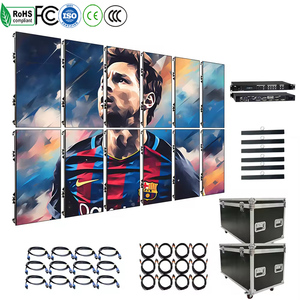
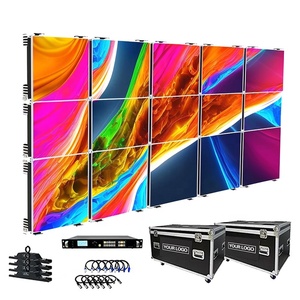
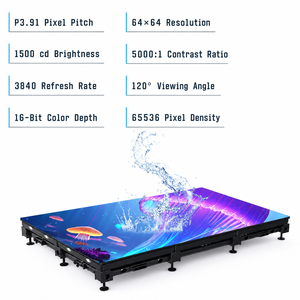
4m X 3m Complete System P2 P3 P2.6 P2.9 P3.91 LED Display 500x500mm Panel
500x500mm Die-Cast
P2-P3.91 Options
Stage & Perimeter
Engineered for UEFA, FIFA, and North American arena compliance, each system below integrates modular impact protection, ultra-high refresh drivers, and quick-lock mechanical assemblies.
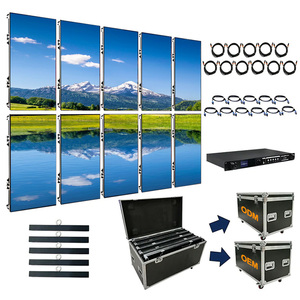
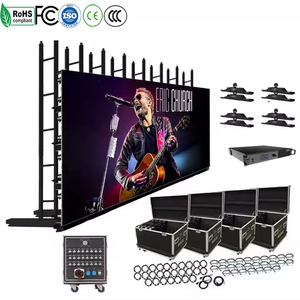
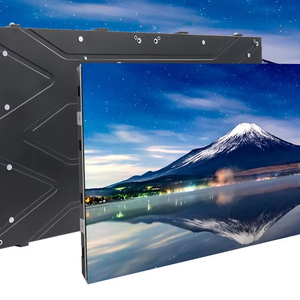
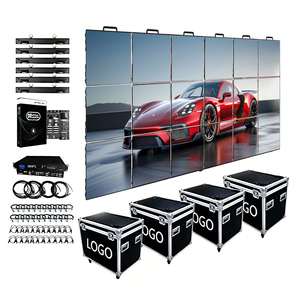
Combining UK IP design, hands-on production engineering, and strict Factory Acceptance Testing (FAT), we safeguard commercial arena investments from pixel degradation and field failures.
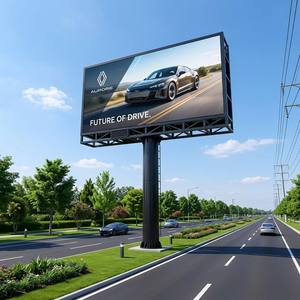
Perimeter LED displays must withstand direct physical contact by athletes, relentless outdoor downpours, and intense solar glare without color shift or structural buckling.
Features soft silicon/EVA top protection cushions and pliable, shock-absorbing face louvers. These buffers protect sprint-decelerating athletes from collision trauma while defending internal SMD matrix diodes from high-velocity impact.
Engineered with 16-bit grayscale processing, 7680Hz PWM drivers, and pure SMD encapsulation yielding ≥6,500 nits. High dynamic range guarantees sharp brand sponsor visibility across direct sunlight, overcast rain, and high-intensity stadium floodlights.
Redundant data and power topologies bypass isolated component drops instantly without visible screen blackout. Modules support full front and rear tool-free magnetic servicing, permitting driver swaps in under 20 seconds between match halves.
Procurement directors and AV engineering consultants are shifting specifications to adapt to new regulatory frameworks, virtual advertising technologies, and decarbonization mandates.
Traditional single-feed perimeter boards are yielding to Dynamic Board Replacement (DBR) systems. Modern sports rights owners monetize identical sideline signage across multiple international regions concurrently. Using synchronized multi-frame interlacing or infrared optical tracking, modern perimeter LED boards display the domestic sponsor feed to the stadium crowd, while television broadcast trucks decode customized regional advertisements for European, North American, and Asian viewers simultaneously.
Procurement Metric: LED panels must support genlock sync, microsecond response switching, and off-axis color consistency to avoid edge haloing on AI-assisted regional television overlays.
“Future-proof perimeter purchasing requires calculating total ad impressions generated across localized broadcast feeds rather than merely measuring local pitchside visibility.”
Large stadium perimeter systems often sit idle between matchdays while drawing continuous phantom standby currents for internal controllers and power supplies. Systems running on traditional linear designs waste megawatts annually just keeping receiver cards alive. With stadium sustainability regulations and ESG scoring dictating public procurement bids, intelligent energy control has evolved from a secondary feature into a tier-1 contract requirement.
Innovations like digiLED ZEUS® completely eliminate standby power consumption by safely isolating the high-voltage bus when video signals cease, dropping display idle consumption to 0.00W while maintaining immediate wake-up triggers for match day activations.
Pitch perimeter boards historically operated at P10 to P16 pixel pitches. Modern multi-sport arenas host sports where spectators and VIP sideline seats are within 2 to 5 meters of the touchline, demanding P2.6, P2.9, and P3.9 resolutions. At these finer pitches, standard exposed SMDs risk shear damage from ball strikes and equipment trolleys. The industry is rapidly transitioning toward Glue-on-Board (GOB) elastomeric coatings and Chip-on-Board (COB) flip-chip architectures, providing IP68 front seal ratings, scratch resistance, and physical impact tolerance without requiring glass face shields.
Evaluate these technical thresholds during request-for-proposal (RFP) evaluations to avoid substandard LED hardware.
Perimeter units must feature 65° to 90° mechanical tilt brackets to align normal viewing angles precisely with the main camera gantry. Power supplies should run cold below 70% capacity with PFC ≥0.95 to pass arena fire marshal guidelines.
Ensure cabinets include quick-release emergency egress mechanisms. In crowd control situations, perimeter barriers must fold down or swing open effortlessly to provide pitch evacuation corridors in under 10 seconds.
Never rely on third-party broker paperwork. Insist on Factory Acceptance Testing with continuous 72-hour burn-in at 100% white balance, water jet immersion testing, and optical color spectrometry validation before crating.
Key technical, commercial, and operational questions addressed by our AV engineering team.
Consult with our UK and Las Vegas engineering hubs for customized pitch-side layouts, stadium 3D sightline modeling, power load assessments, and complete system catalogs.