Explore our high-reliability indoor and outdoor OEM solutions featuring magnetic front extraction, low thermal profiles, and die-cast structural rigidity.
Direct-view LED (dvLED) adoption across DOOH, corporate lobbies, command hubs, and broadcast stages has fundamentally shifted toward Front Service Maintenance (Front Access). Legacy installations mandated rear-service clearances of 600mm to 800mm, demanding complex catwalk systems, excessive structural dead load, and high HVAC cooling penalties. Our custom OEM engineering solves mechanical, electrical, and optical challenges right at the module face.
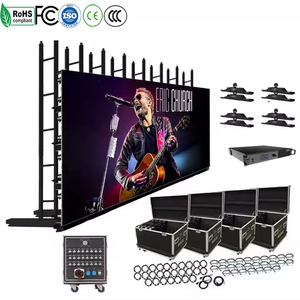
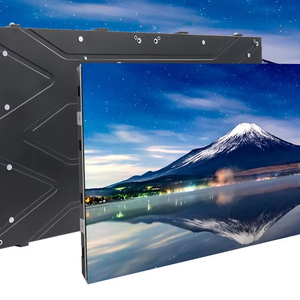
The foundation of reliable front service begins at the module-to-chassis boundary. We implement precision-calibrated neodymium (NdFeB) magnetic pins delivering pull forces between 18kg and 25kg per module, paired with mechanical positioning dowels. Using specialized vacuum extraction tools, field engineers extract any indoor module (such as the fine pitch P1.53, P1.86, and P2.5 variants) within sub-10 seconds without edge-chipping or impacting neighboring tiles.
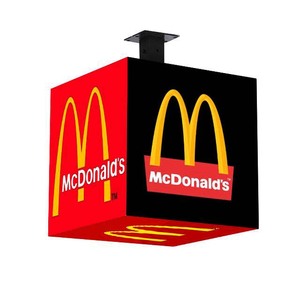
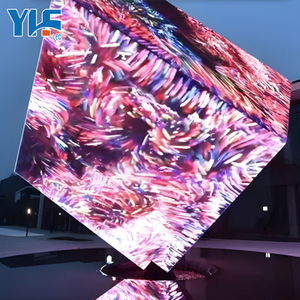
For outdoor installations exposed to wind vibrations (such as the A15 series and 5-sided outdoor cubes), we employ hybrid dual-action front locking: high-strength magnetic seating backed by front-accessible Allen-key quarter-turn mechanical cams, assuring IP65 ingress protection alongside complete front-entry serviceability.
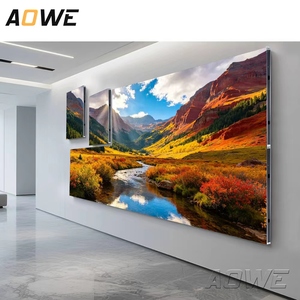
Wall-mounted installations without rear ventilation cavities face concentrated thermal build-up. Heat accumulation degrades LED luminous efficiency and shifts dominant wavelengths, causing noticeable color deviations across panels. Our custom cabinets integrate die-cast aluminum heat sinks acting as structural back-planes, radiating thermal loads out through natural convection corridors without active fan noise.
Independent by design, rigorous in quality, and dedicated to lifetime display reliability.
We do not lock clients into rigid, one-size-fits-all factory lines. We match your specific photometric and mechanical targets with vetted, top-tier manufacturing infrastructure, building exclusively to custom engineering specifications using premium driver ICs and gold-wire encapsulation.
Our dedicated display engineers remain physically present on the production floor throughout every manufacturing phase. We conduct complete Factory Acceptance Testing (FAT), including 72-hour continuous burn-in, thermal stress cycles, and multi-angle optical calibration prior to global dispatch.
Every display project can be coupled with cutting-edge intelligent power regulation technology like digiLED ZEUS®. This system eliminates quiescent standby draw, cutting idle power consumption down to 0W and significantly reducing commercial operational overhead.
Procuring direct-view LED video walls involves balancing forward-compatible technology against lifecycle costs. Sourcing managers and consulting engineers must evaluate upcoming shifts:
While traditional Surface Mount Device (SMD) encapsulation continues to deliver exceptional performance for pixel pitches above P1.8, fine-pitch indoor spaces are rapidly adopting Chip-on-Board (COB) and Mini/Micro LED configurations. COB encapsulates raw semiconductor dies directly into epoxy resin, achieving front-surface hardness above 4H, complete dustproofing, and virtual immunity to impact damage during cleaning and maintenance.
Energy management has become a critical evaluation criterion in institutional tenders. Common Cathode driver topology supplies distinct voltages to the Red (2.8V) and Green/Blue (3.8V) diodes, replacing legacy Common Anode 5V feeds. This design prevents wasted thermal dissipation across the Red channel, lowering surface temperatures by 10°C to 15°C and reducing overall electrical draw by 25% to 35%.
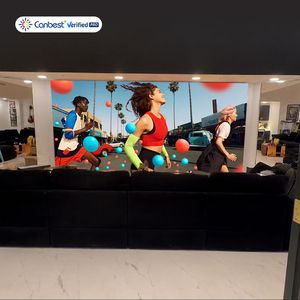
High dynamic range (HDR10+) displays, driver refresh rates reaching 7680Hz, and low scan rates are becoming universal specifications across commercial displays. Front-service video walls now double as studio broadcast backgrounds and virtual stages, eliminating scan-line flicker and moiré distortions under direct cine-camera tracking.
Critical mechanical, optical, and operational answers for integrators, specifiers, and procurement teams.
Speak directly with our technical display architects to specify pixel pitch requirements, mechanical integration limits, thermal considerations, and budgetary parameters for your next deployment.
Send an Inquiry