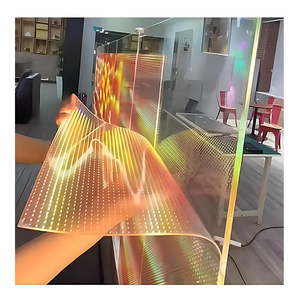
Architectural Glass & Studio Backdrop

Engineered for broadcast cameras, multi-angle telemetry, and close-proximity presenters. Every solution is vetted through rigorous on-site Factory Acceptance Testing (FAT).
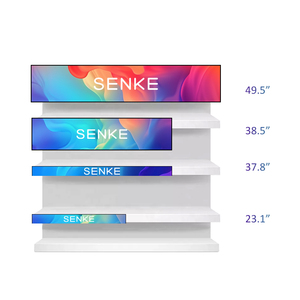
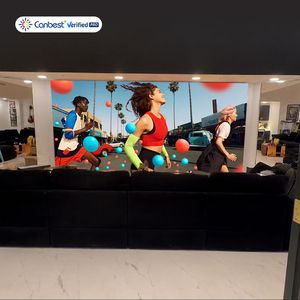
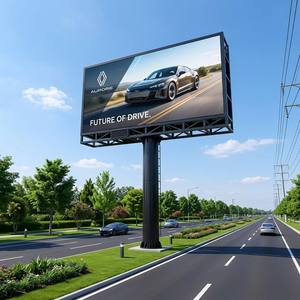
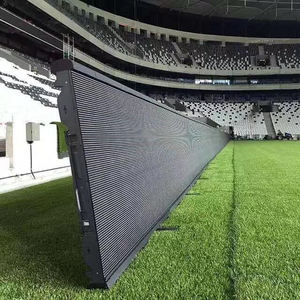
Why Osaka broadcast engineers, television directors, and AV system integrators bypass conventional vendors for high-reliability broadcast studio backdrops.
We do not operate as generic drop-shippers. Our engineers supervise production directly on partner factory floors, enforcing strict Factory Acceptance Testing (FAT) for color uniformity, seam tolerance (<0.05mm), and zero-dead-pixel certification before equipment departs for Osaka Bay terminals.
Invented in the UK by display veteran Tom Mudd, digiLED ZEUS® is globally patented and holds Made in Britain status. It automatically powers studio walls down to genuine zero standby power when cameras stop rolling, eliminating thermal load and reducing HVAC operating overheads significantly.
Supported by our Asian regional operations (+81 3 5846 8842) alongside dedicated Pixel Depots, our Osaka studio clients secure dedicated spare-batch bin matching, emergency module swap-outs, and rapid-response calibration without prolonged cross-border delays.
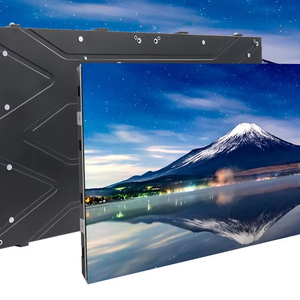
For broadcast cameras operating at 59.94Hz/50Hz genlock, digiLED incorporates advanced Chip-on-Board (COB) fine-pitch architectures with micro-matte optical diffusion resins. This structural design diffuses beam focus, mitigating Moiré interference while maintaining pristine 16-bit grayscale depth at low studio illumination levels (100–350 nits).
A side-by-side engineering breakdown demonstrating how studio video walls differ fundamentally from conventional indoor signage.
| Performance Parameter | Standard Commercial Display | digiLED Studio Broadcast Series | Impact on Broadcast Studio Output |
|---|---|---|---|
| Driver Refresh Rate | 1,920Hz - 3,840Hz | ≥ 7,680Hz + High Scan Multiplex | Prevents horizontal scan roll bars across broadcast sensor exposures. |
| Low-Brightness Grayscale | Drops to 8-10 bit below 30% power | Full 16-bit linear depth at 100-300 nits | Eliminates banding in dark backgrounds, news sets, and shadow areas. |
| Genlock Phase Sync | Asynchronous / Internal Clock | SMPTE ST 2059-2 / PTP / Bi-level / Tri-level | Achieves frame-accurate camera sensor genlock without frame tears. |
| Surface Optical Treatment | Standard Glossy Epoxy Resin | Micro-Matte Black Mask + Optical COB Lens | Dramatically mitigates lens Moiré fringes and studio key-light glare. |
| Standby Power Draw | 15% - 25% continuous idle power | Zero Watts with digiLED ZEUS® power system | Drastically lowers studio air conditioning demands and operational OPEX. |
From central news hubs in Kita-ku and Chuo-ku to commercial XR stages in Namba and Minato, digiLED fulfills the precise technical demands of regional broadcasters.
Osaka’s flagship broadcast networks require seamless 24/7 video backdrops behind anchor desks. Fine-pitch digiTHIN NANO COB configurations provide silent fanless cooling (sub-18dB acoustic profile) ensuring clear audio capture while delivering ultra-crisp graphics under heavy key studio lighting.
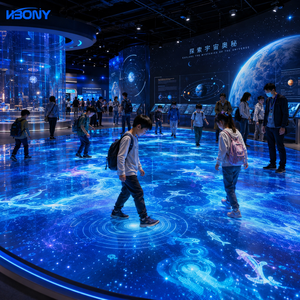
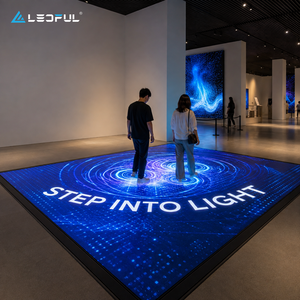
Equipped with our durable 2-ton load P2.97 interactive floor screens and curved studio walls, Osaka virtual studios combine real-time Unreal Engine telemetry with camera-tracking systems, producing parallax-accurate backgrounds for Japanese drama, anime promos, and corporate keynotes.
Kansai civic bodies and coastal transport nodes leverage redundant power and data loops. Real-time multi-window IP feeds allow disaster coordinators and regional news desks to monitor meteorological telemetry, bay surge gates, and train schedules with 99.999% up-time integrity.
Examining market shifts shaping studio display procurement, carbon neutrality objectives, and immersive content development across Western Japan.
Following Osaka Expo 2025, Kansai studios are re-architecting infrastructure around 8K HDR UHD broadcast workflows. Studio designers are replacing legacy projection and LCD matrix configurations with ultra-fine COB LED displays that provide unified DCI-P3 color gamuts and high-contrast blacks for premium 8K master output.
Japanese broadcast entities face stringent corporate social responsibility (CSR) directives. The integration of zero-standby energy technology—exemplified by digiLED ZEUS®—has transitioned from an optional feature to an essential tender requirement, directly cutting annual kilowatt hours and HVAC loads in closed acoustic rooms.
Legacy SDI cabling is steadily giving way to uncompressed IP video transport across Japanese networks. Our display processing fabrics interface cleanly with SMPTE ST 2110 / ST 2059-2 systems, enabling Osaka broadcasters to route camera telemetry dynamically over multi-gigabit studio backbones with microsecond synchronization.
Essential guidance addressing camera sync, import compliance, maintenance protocols, and factory auditing for the Japanese market.
Planning a newsroom refurbishment, XR virtual production volume, or broadcast control room in Osaka or across the Kansai region? Our engineering team delivers comprehensive viewing distance analysis, optical Moiré assessments, structural calculations, and bespoke quotations.